Concrete, Cork and Kingly Indiscretions
Boutique's CEO Marc Blazer tours nine homes in the Spanish regions of Catalonia and Aragon, remarkable as much for their design as their locations and the stories behind them.
- Category
- First Person
- Written by
- Marc Blazer
- Published
- April 26, 2026
I have just returned from a whirlwind of a trip touring nine homes across Aragon and Catalonia—including two architectural monuments on a single estate, a pair of houses owned by the same architect in two different cities, a farmhouse compound shared by four artistic siblings, and a rationalist masterpiece with a tunnel built for kidnapping-era paranoia. Here’s what I found.
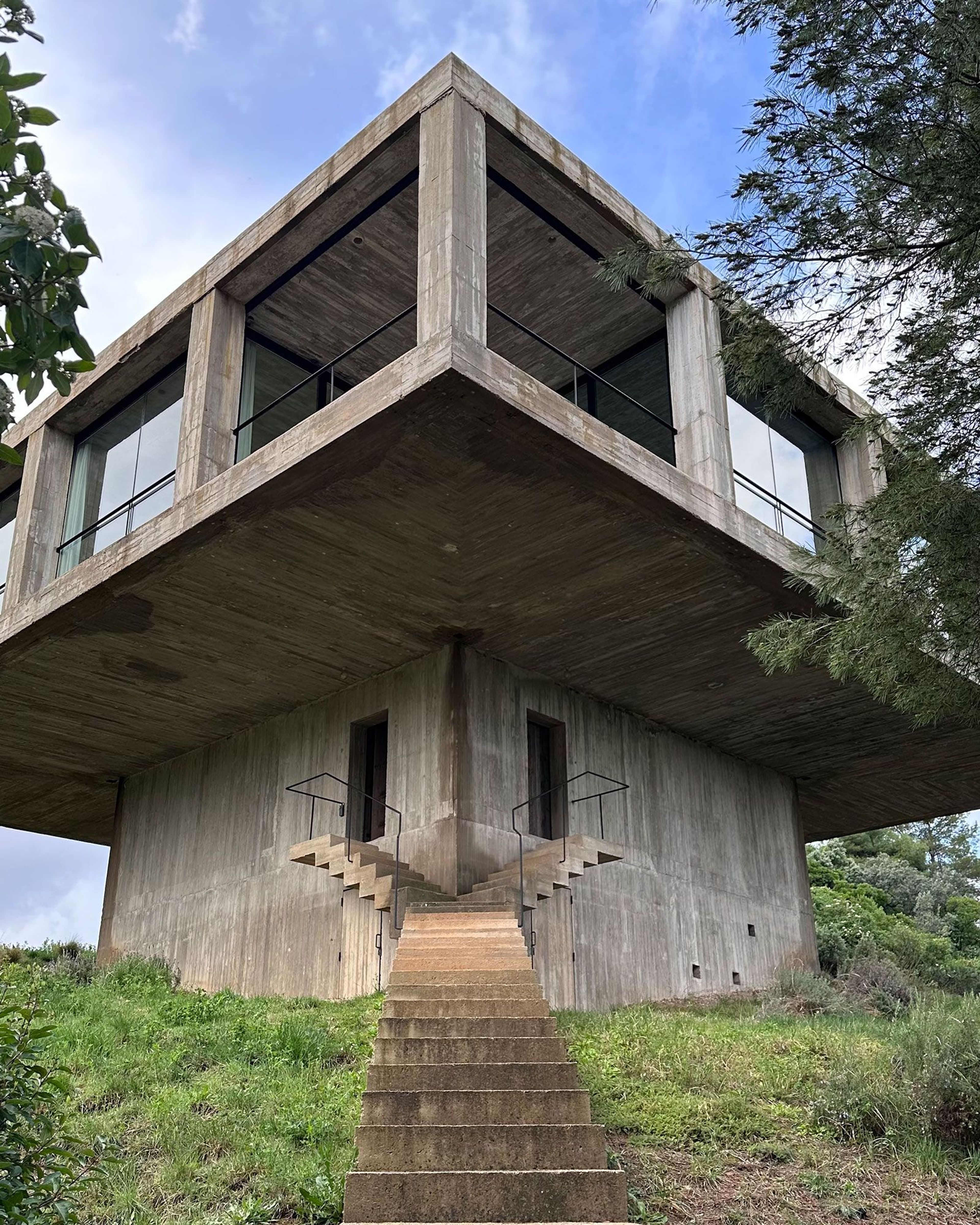
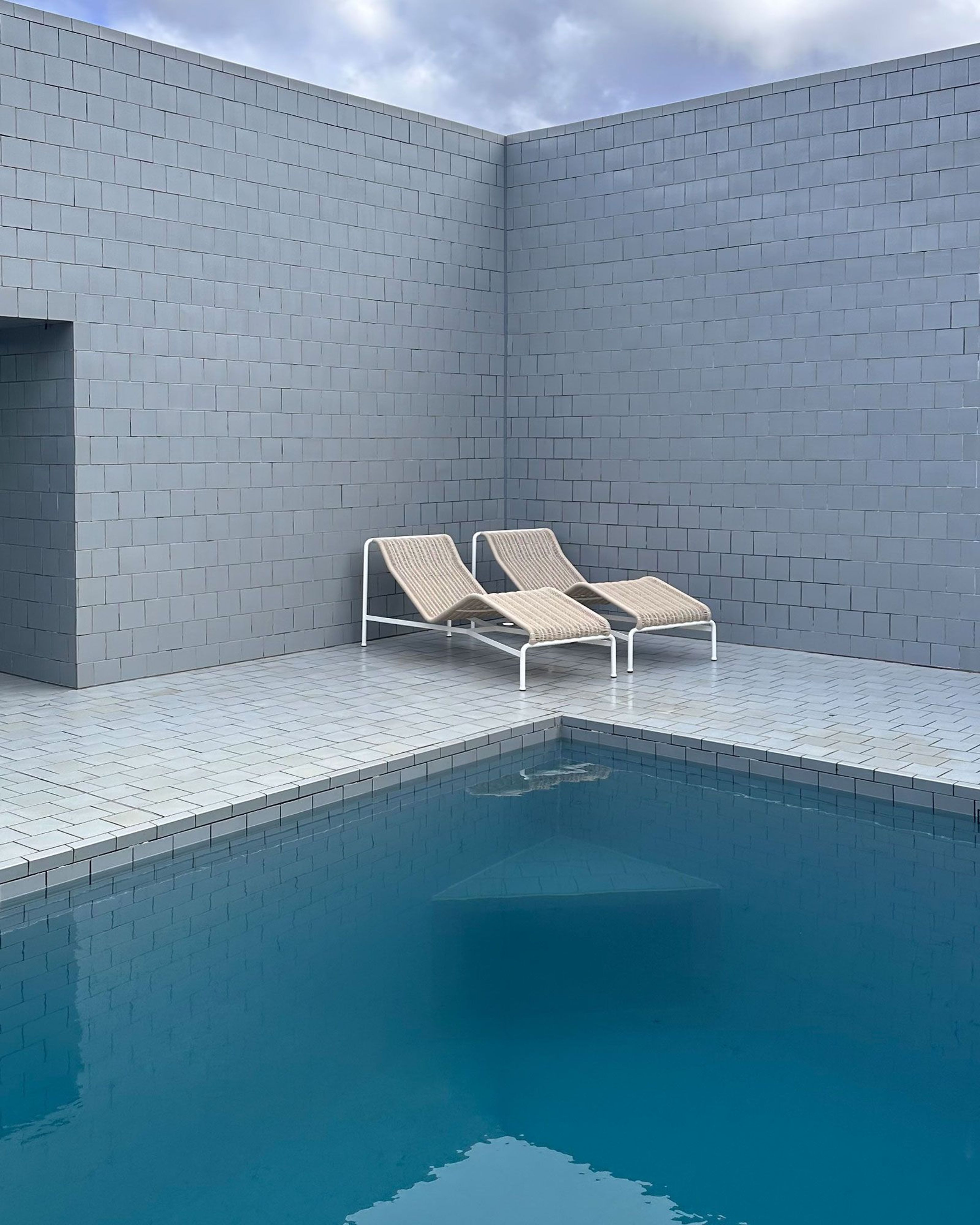
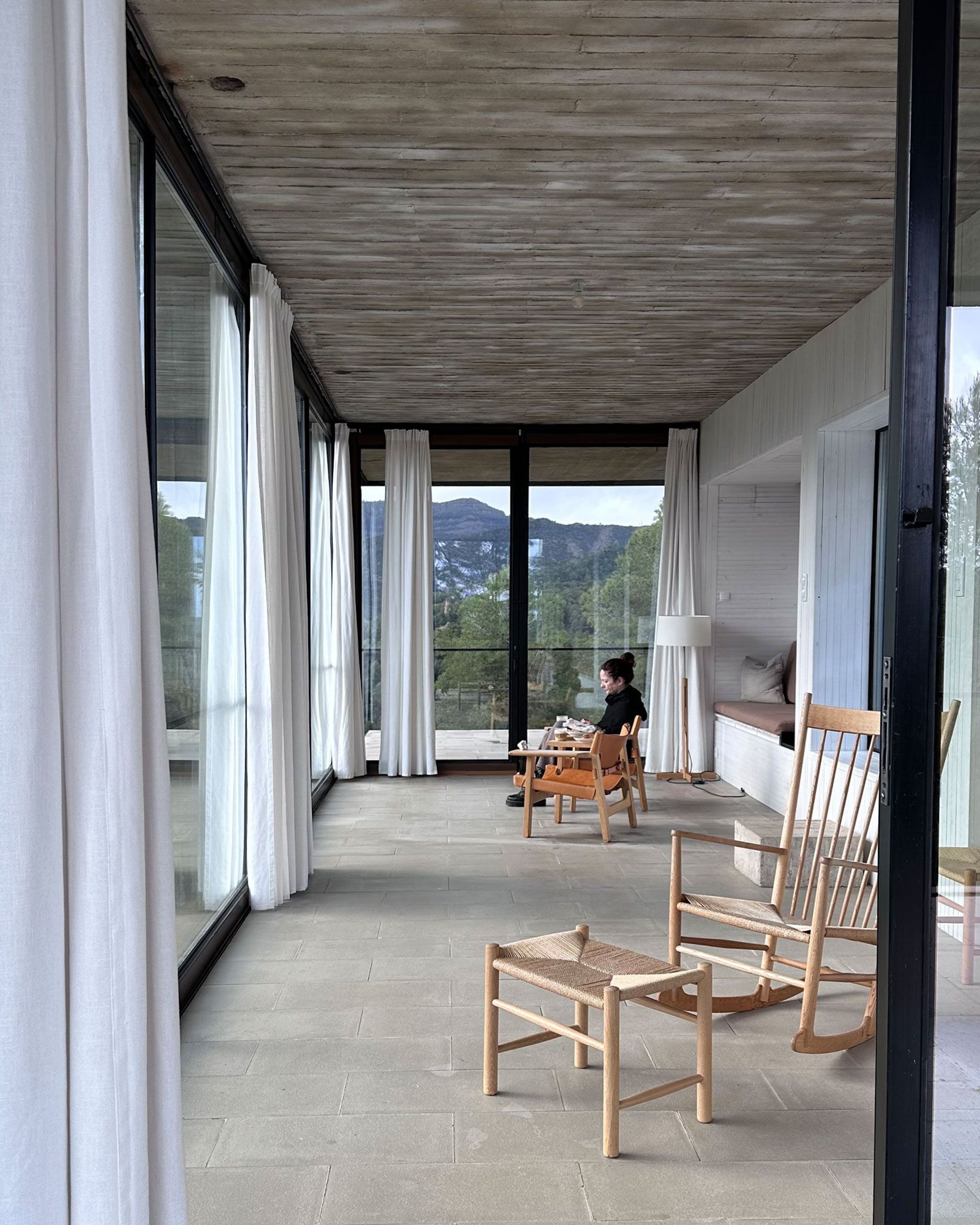
My trip began at Solo Houses, on the border of Aragon and Catalonia, a vast estate with two properties (and more coming) that represent about as serious an architectural statement as you’ll find in a vacation home. Solo Pezo, where we stayed, is an exercise in design rigor. Designed by influential Chilean architects Mauricio Pezo and Sofia von Ellrichshausen, the home is monolithic in form, and sparsely furnished. Because of the way it sits above the land—level with the treetops, looking out over the valley—it feels completely at one with its surroundings. Almost like camping in concrete.
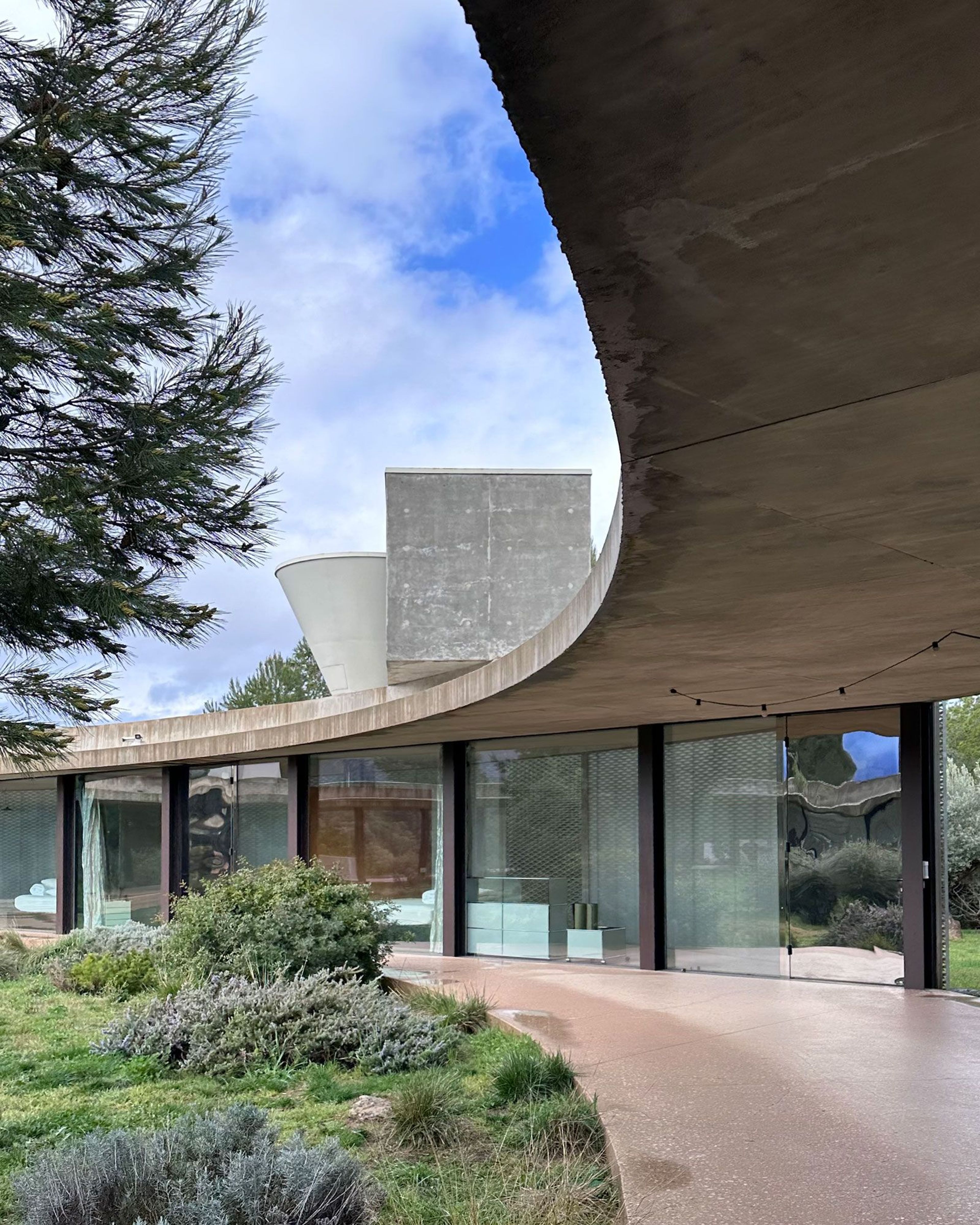
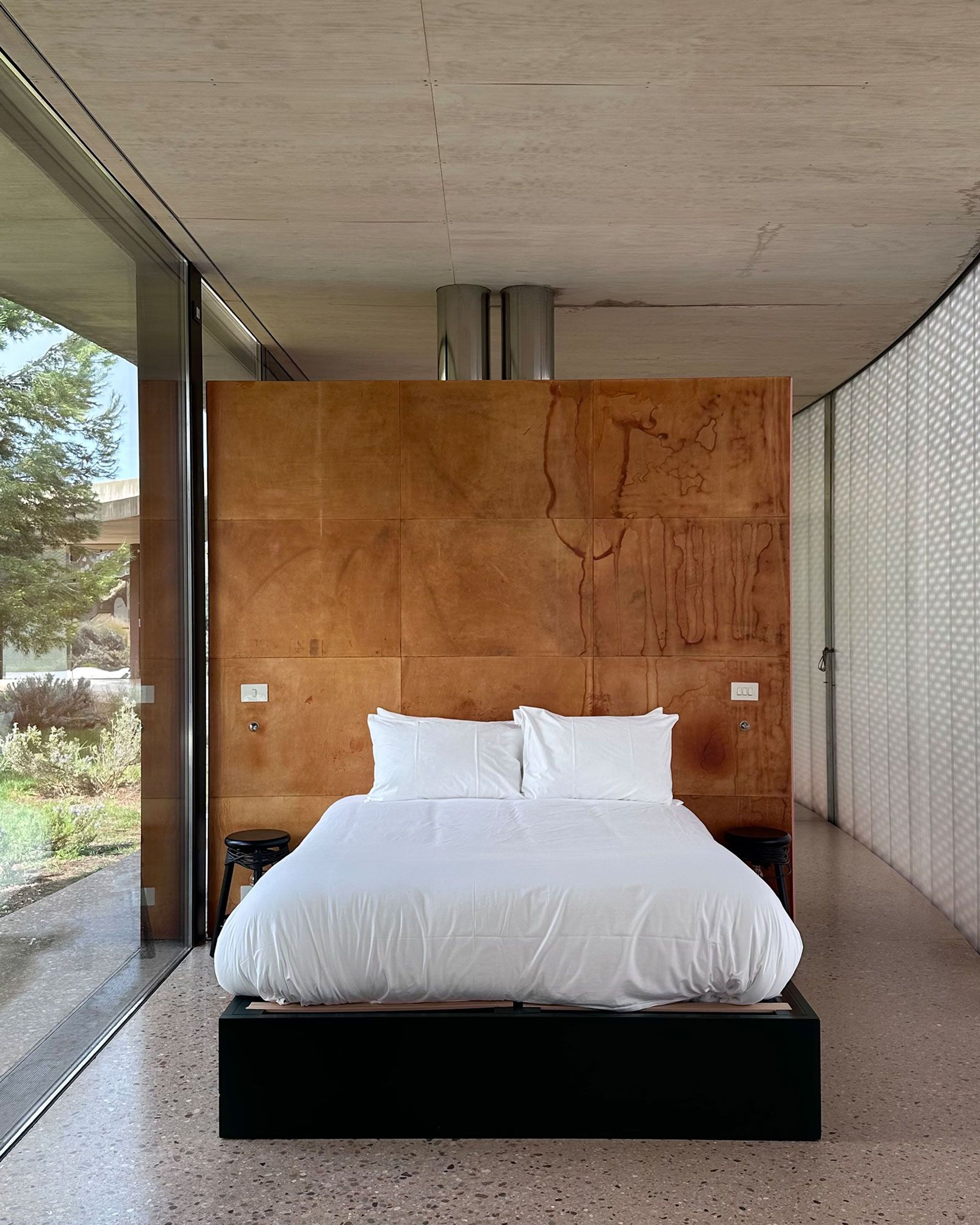
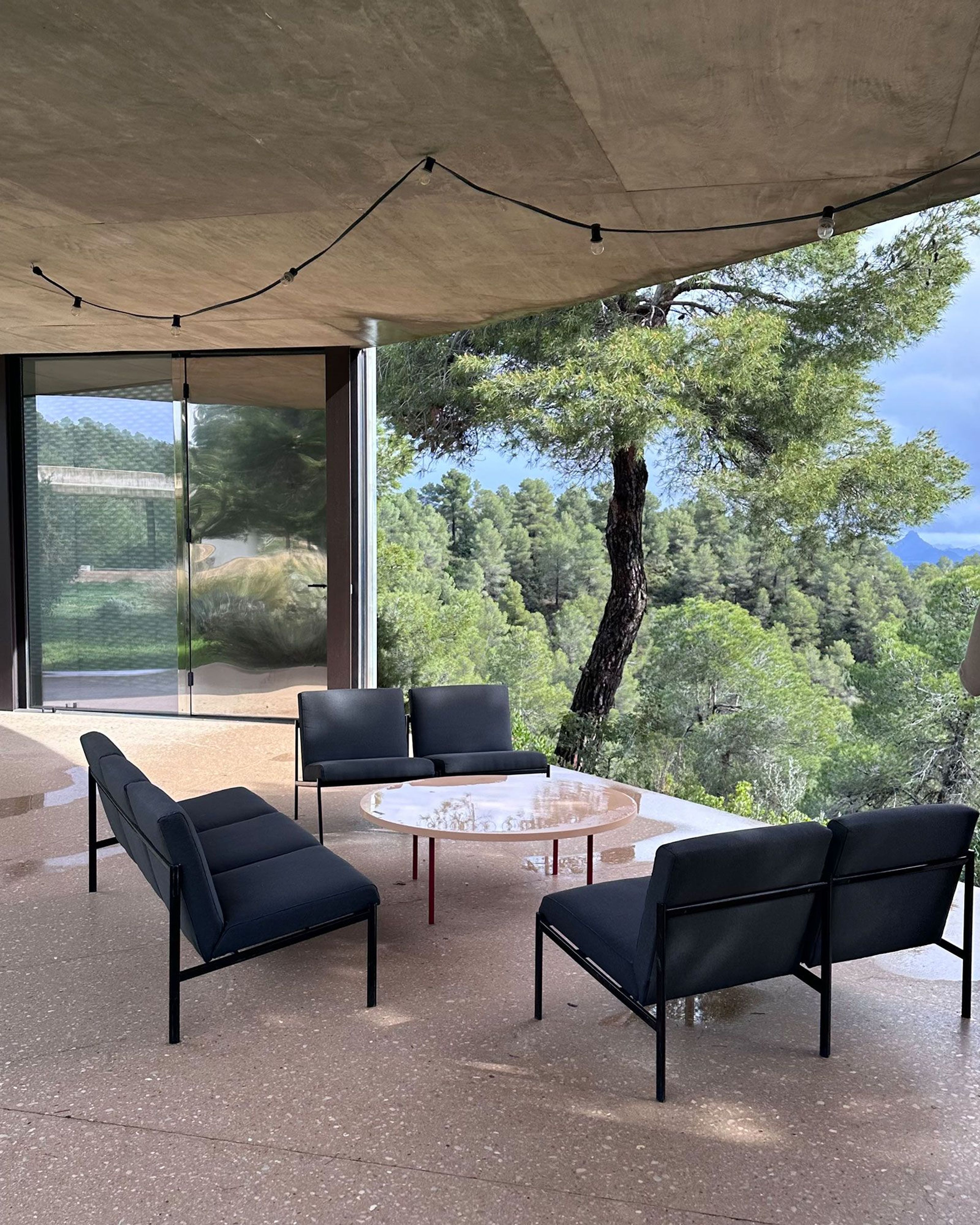
The other property on the estate, Solo Circle, was much more livable as a vacation home, and structurally not unlike a miniature version of Apple's HQ in Cupertino. Designed by Belgian architects KGDVS Office, it sits in the woods, the forest both outside and within its circumference. The estate also has a lovely vineyard, a cellar-door tasting room, and a sculpture garden with 22 works. You could spend a week here and feel no need to leave.
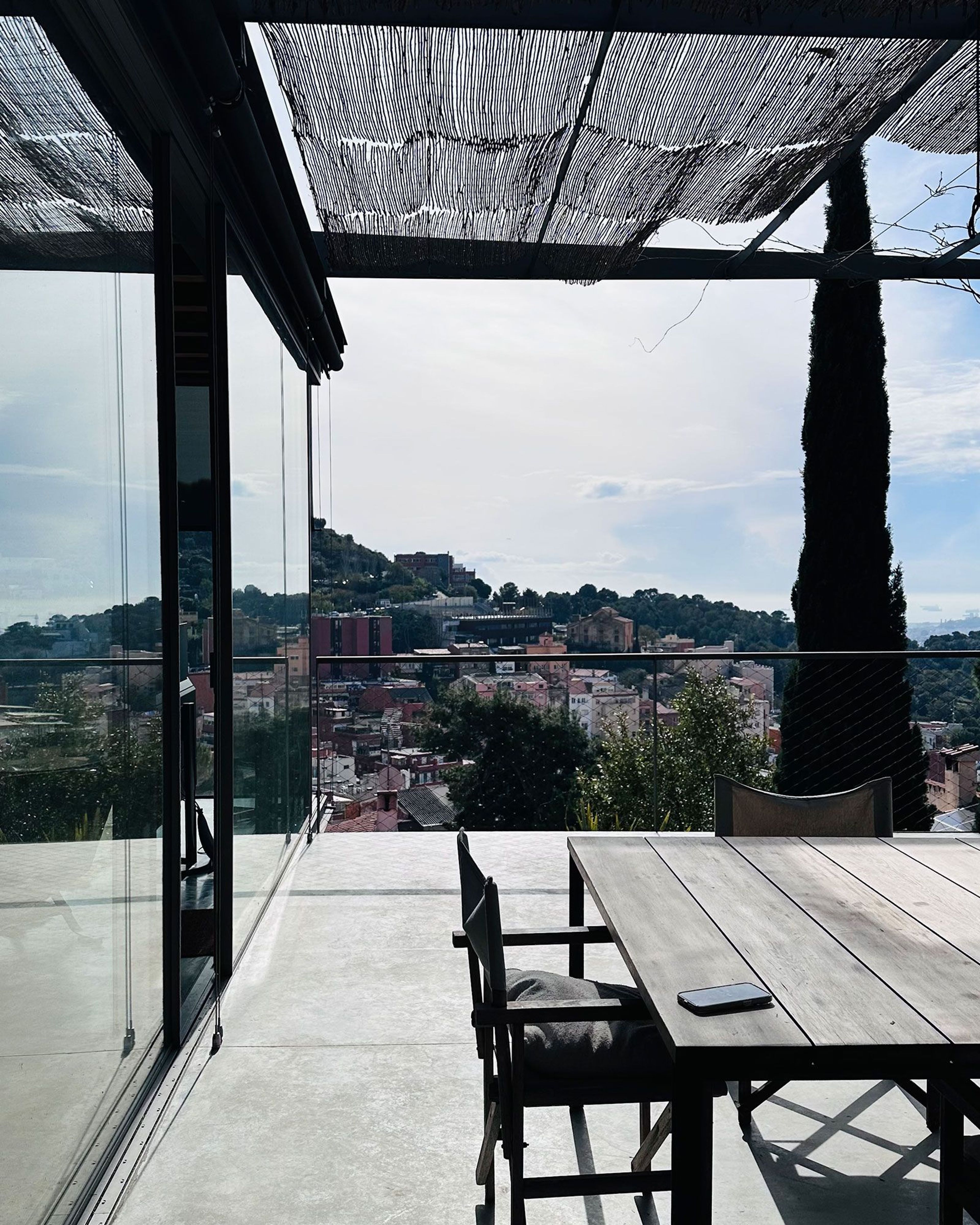
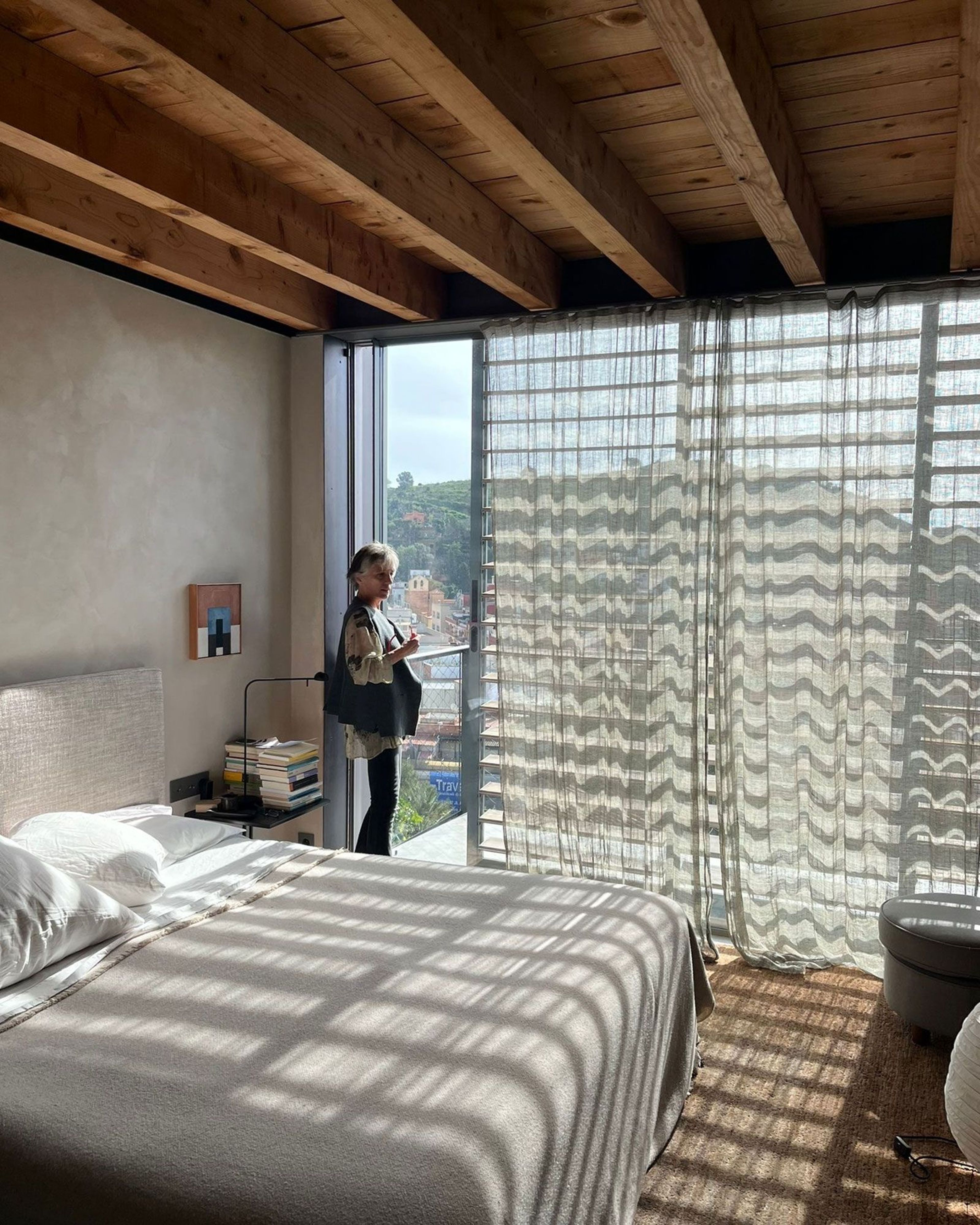
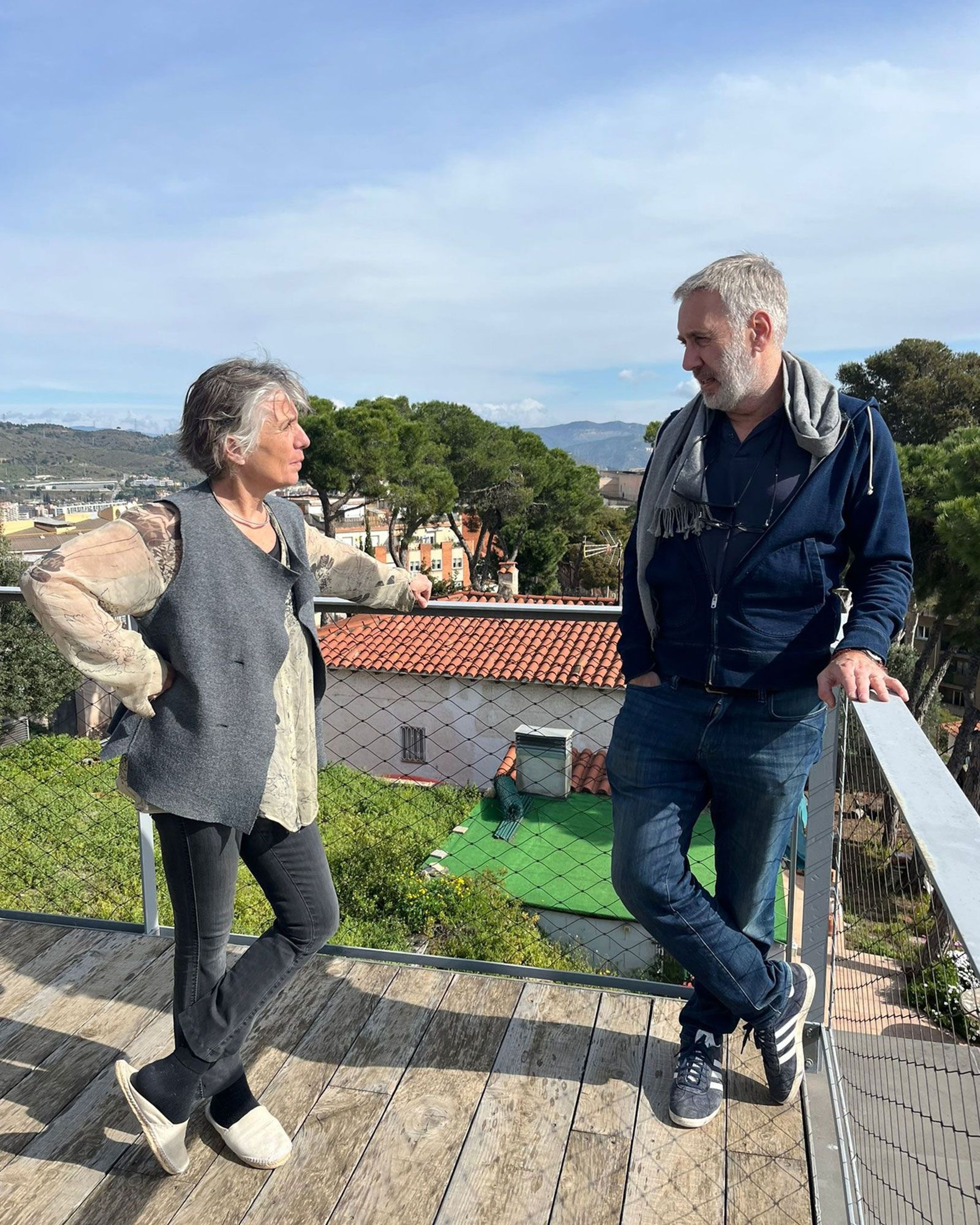
The home of Anna Noguera & Juan Manuel Ribera De Frias in Barcelona
I visited architect Anna Noguera and her husband, tourism entrepreneur Juan Manuel Ribera De Frias in their home high in the Barcelona hills. Even though it was in the city, with its enormous windows and sliding doors, and terraces at every level, it felt like a house in the country. We had coffee, talked for longer than I’d planned, and then I set off for Girona driving along the coast of the Costa Brava via twisty roads, skirting jaw dropping cliffs.
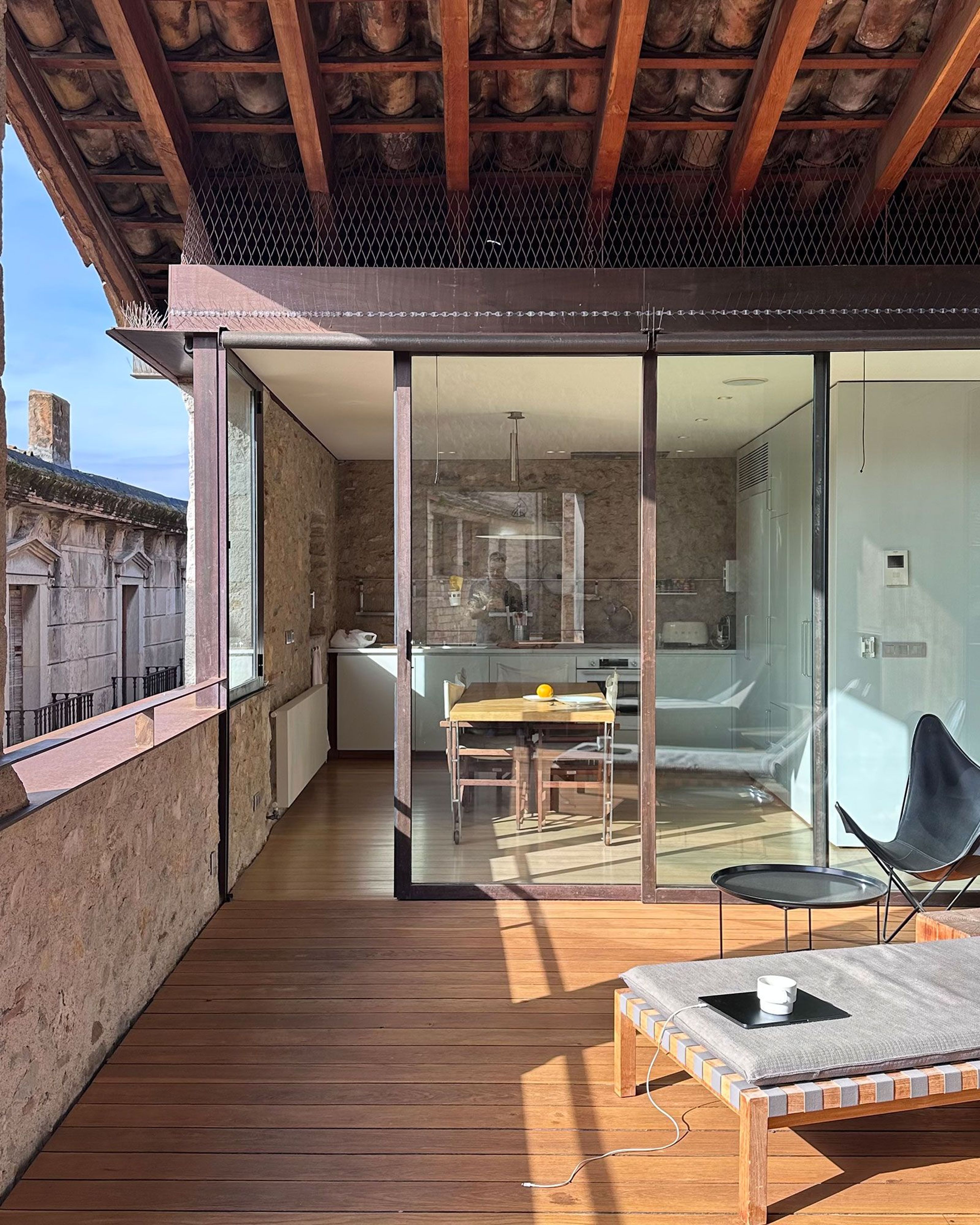
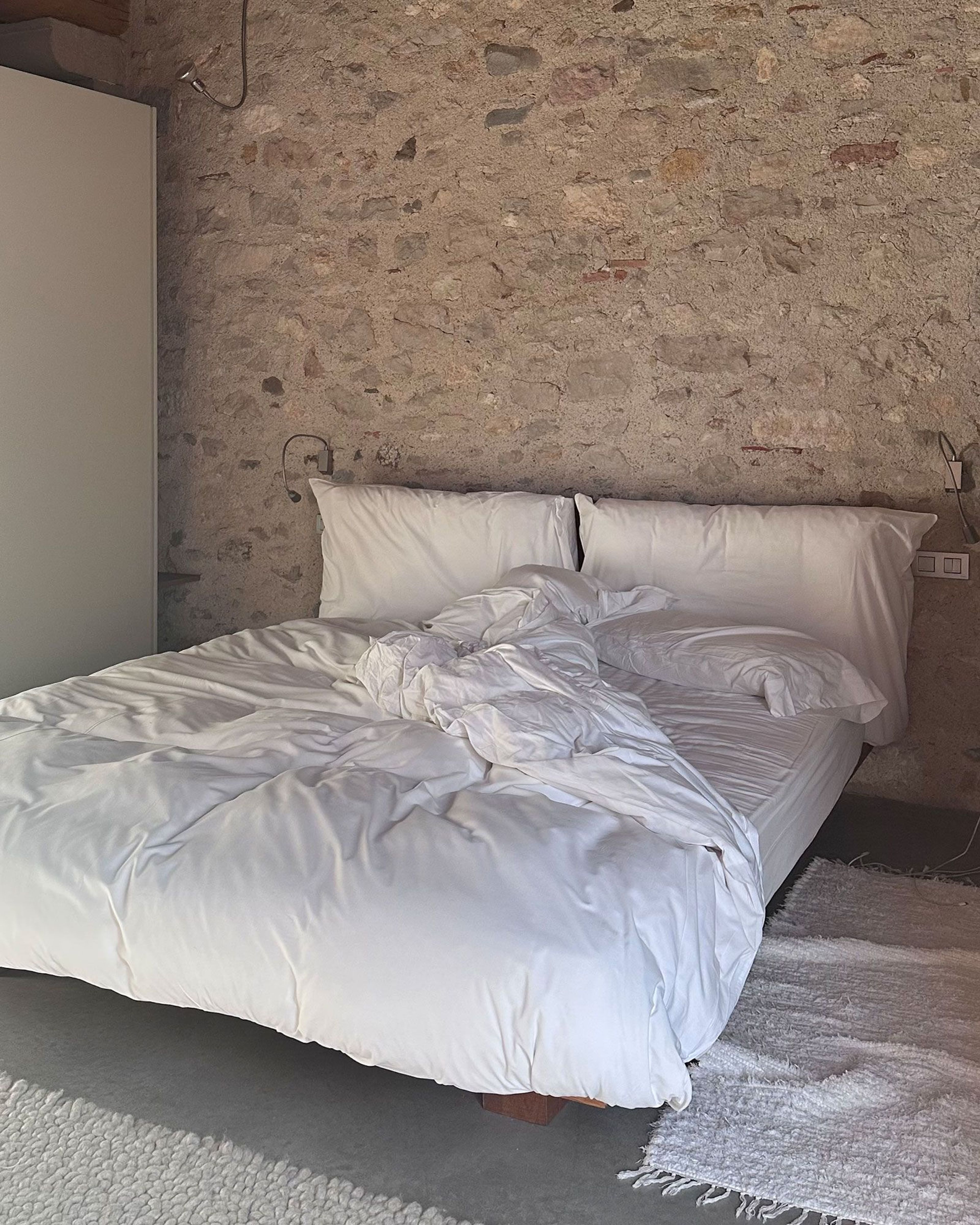
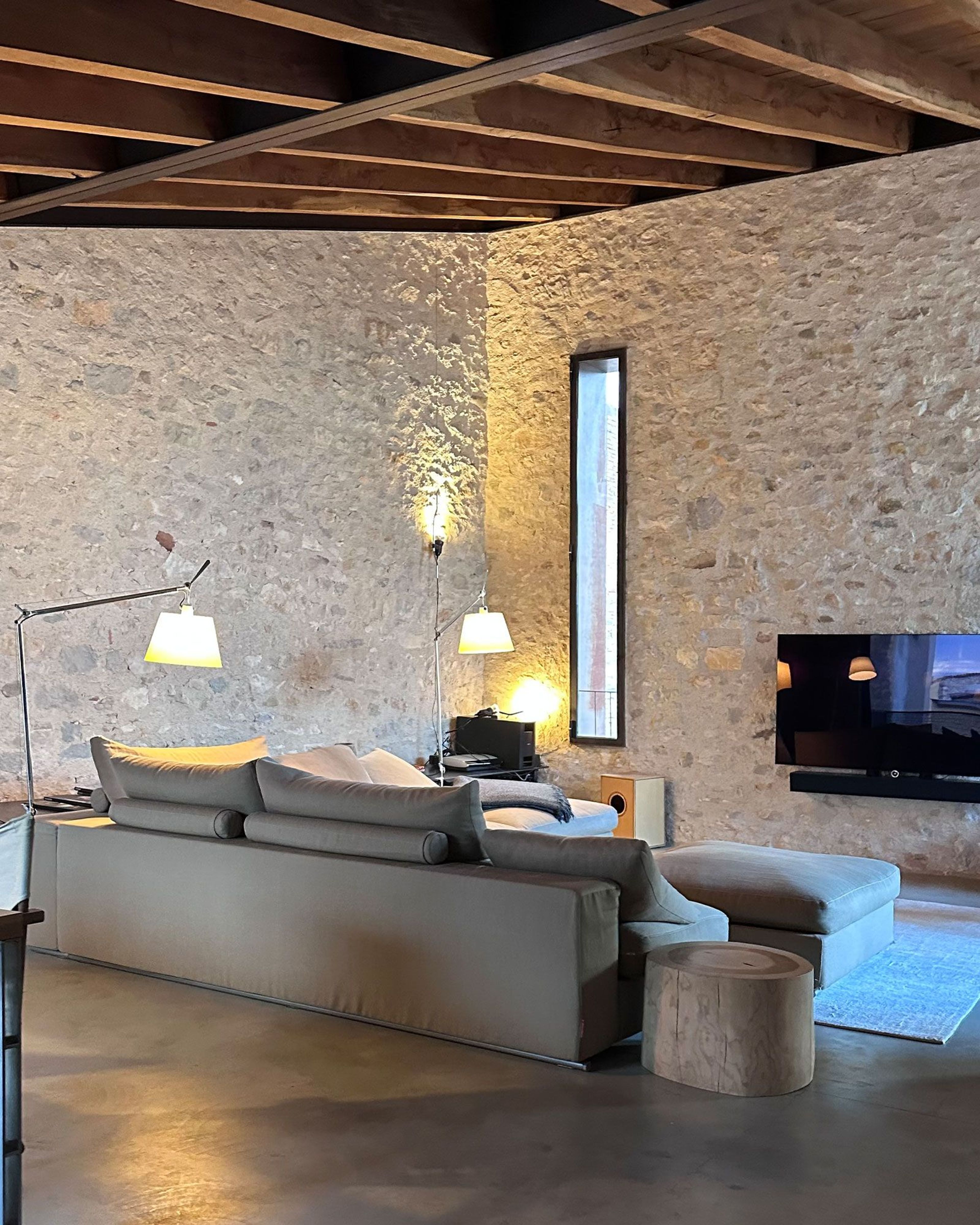
Anna and Juan’s second home is in the old center of Girona: a modern construction in wood, glass, and Corten steel, hidden behind ancient stone walls. Girona rewards the detour. Being the home of El Celler de Can Roca, it has built a serious food culture, with great growers and producers, and restaurants that source many of their ingredients from the surrounding countryside. Every Tuesday, the Parc de la Devesa hosts a small farmers’ market. I came away with olive-soaked cheese and fruit to bring back for lunch at the house, with a baguette and an apple tartlet from nearby Forn de Pa Sant Feliu. Sometimes the simplest pleasures are, well, simple.
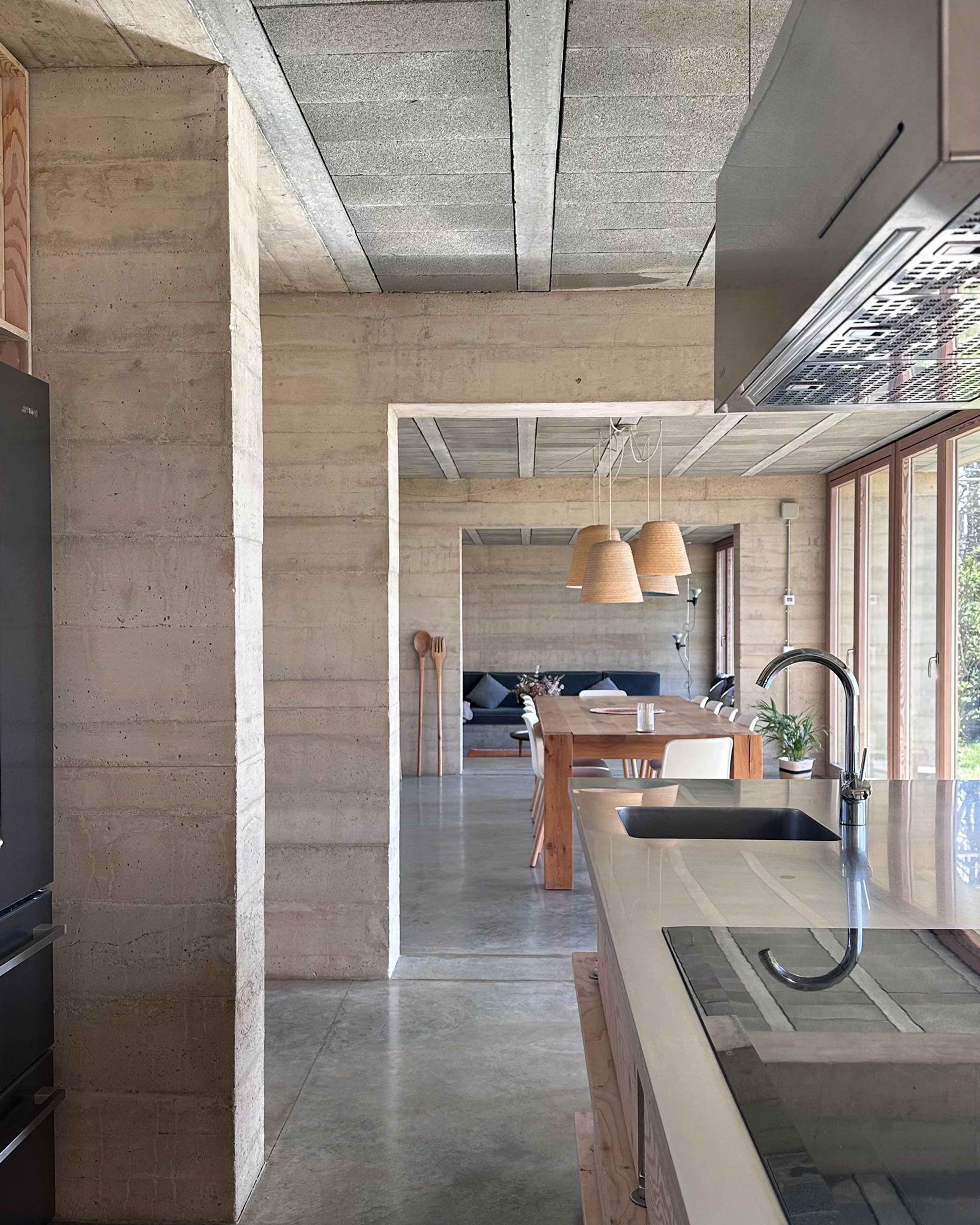
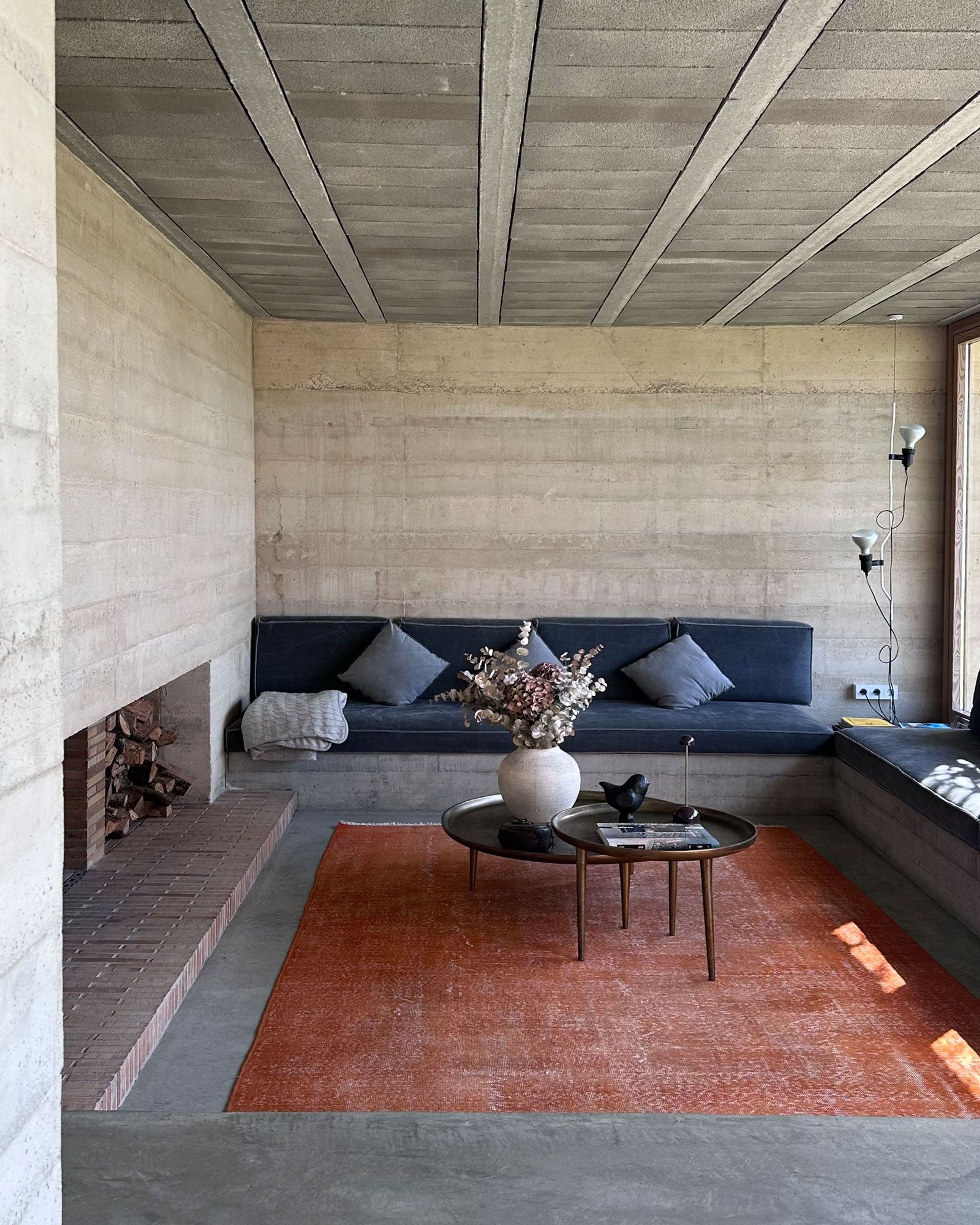
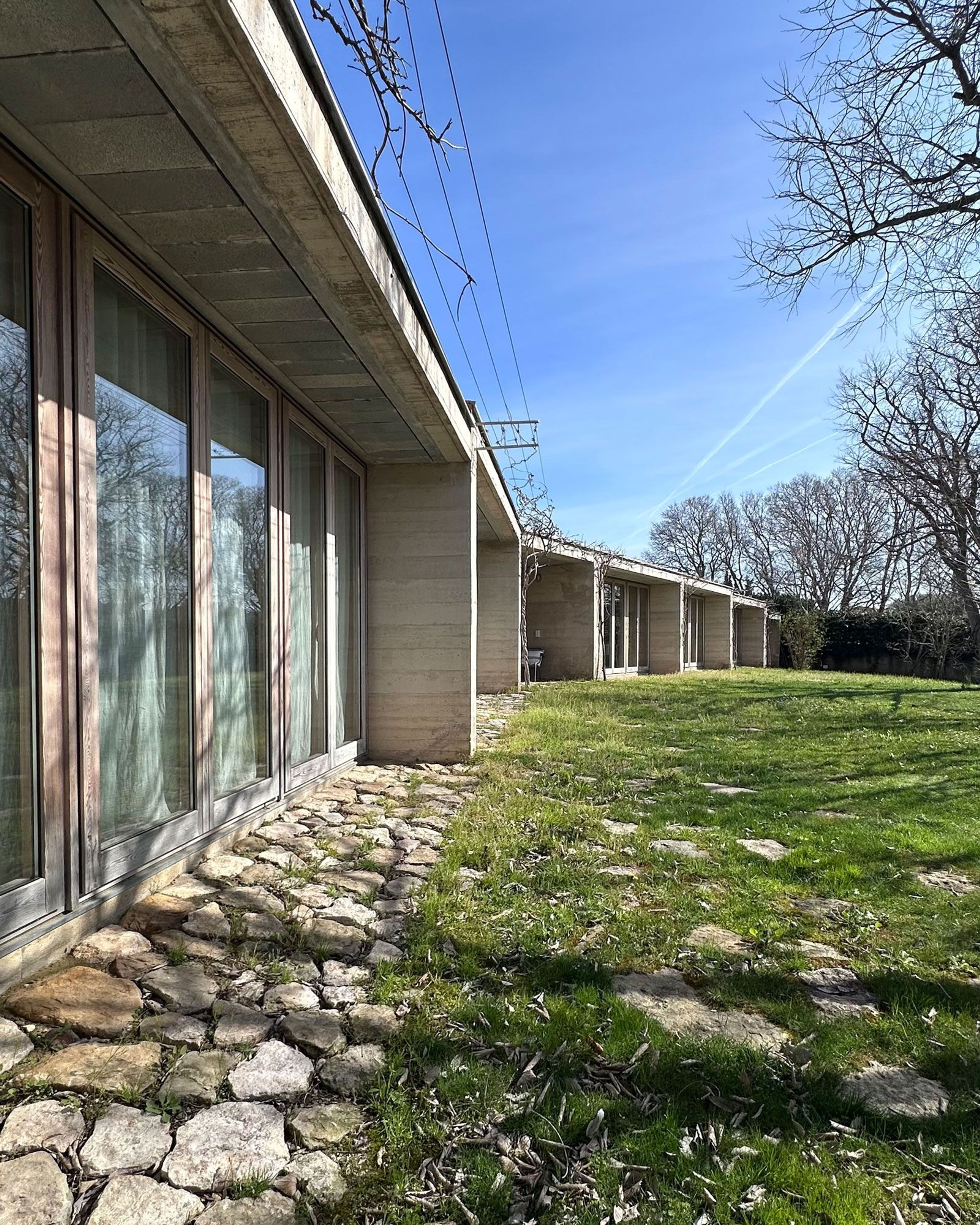
On Wednesday, I drove with Júlia Juste of Outliers Guide to Ullastret, a quiet village built around the remnants of an ancient fortification wall. Saskia Caballé van Mol welcomed us to Casa 1413, designed by Harquitectes and shortlisted for the EU Mies van der Rohe Award in 2019. From the street, it reads as a wall—because it essentially is one, salvaged stone from a demolished fortification. Step through, and the house opens into a series of bi-fold windows arranged around an inner garden and pool. Ancient stone on the street, glass and garden on the other. It’s a charming surprise.
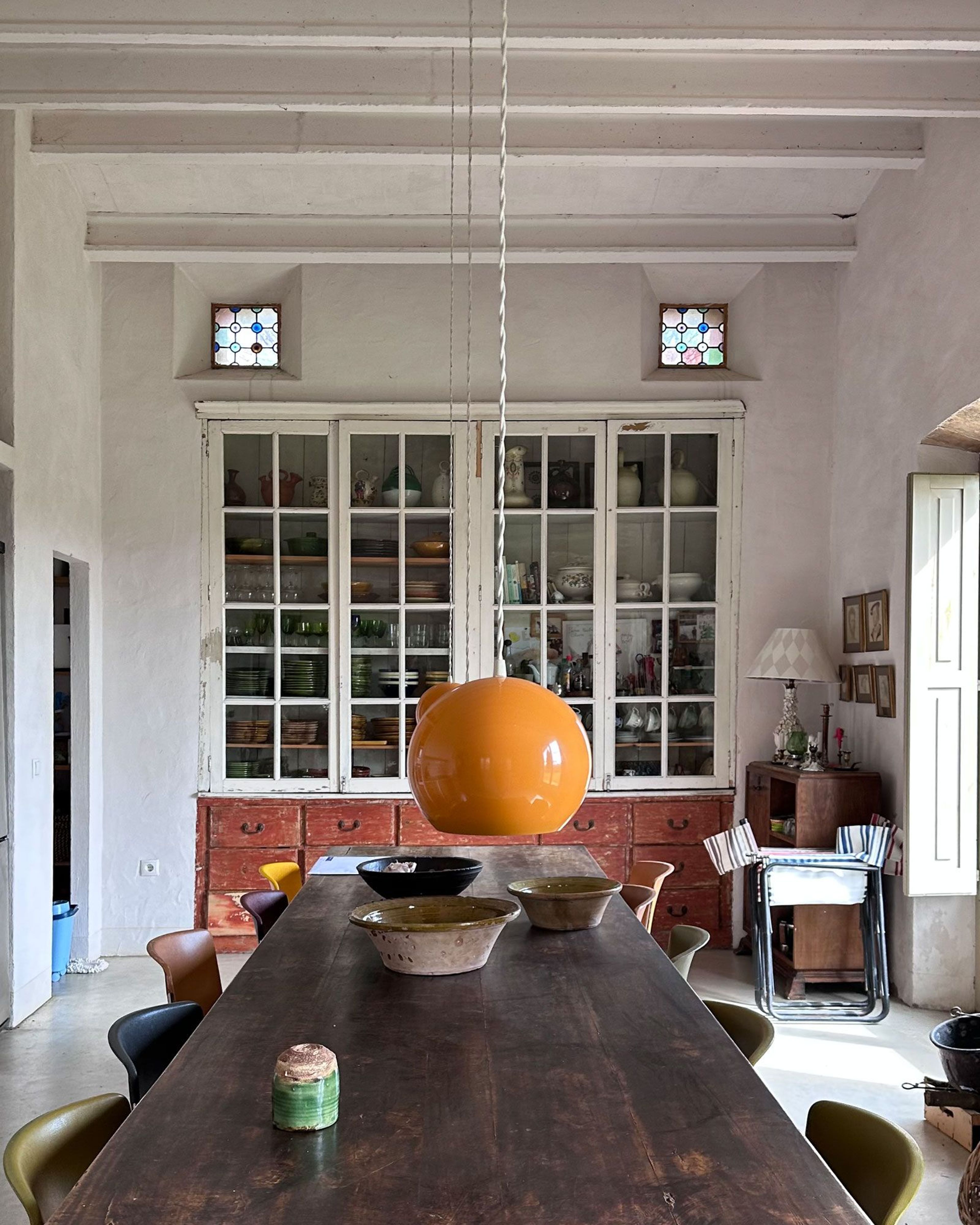
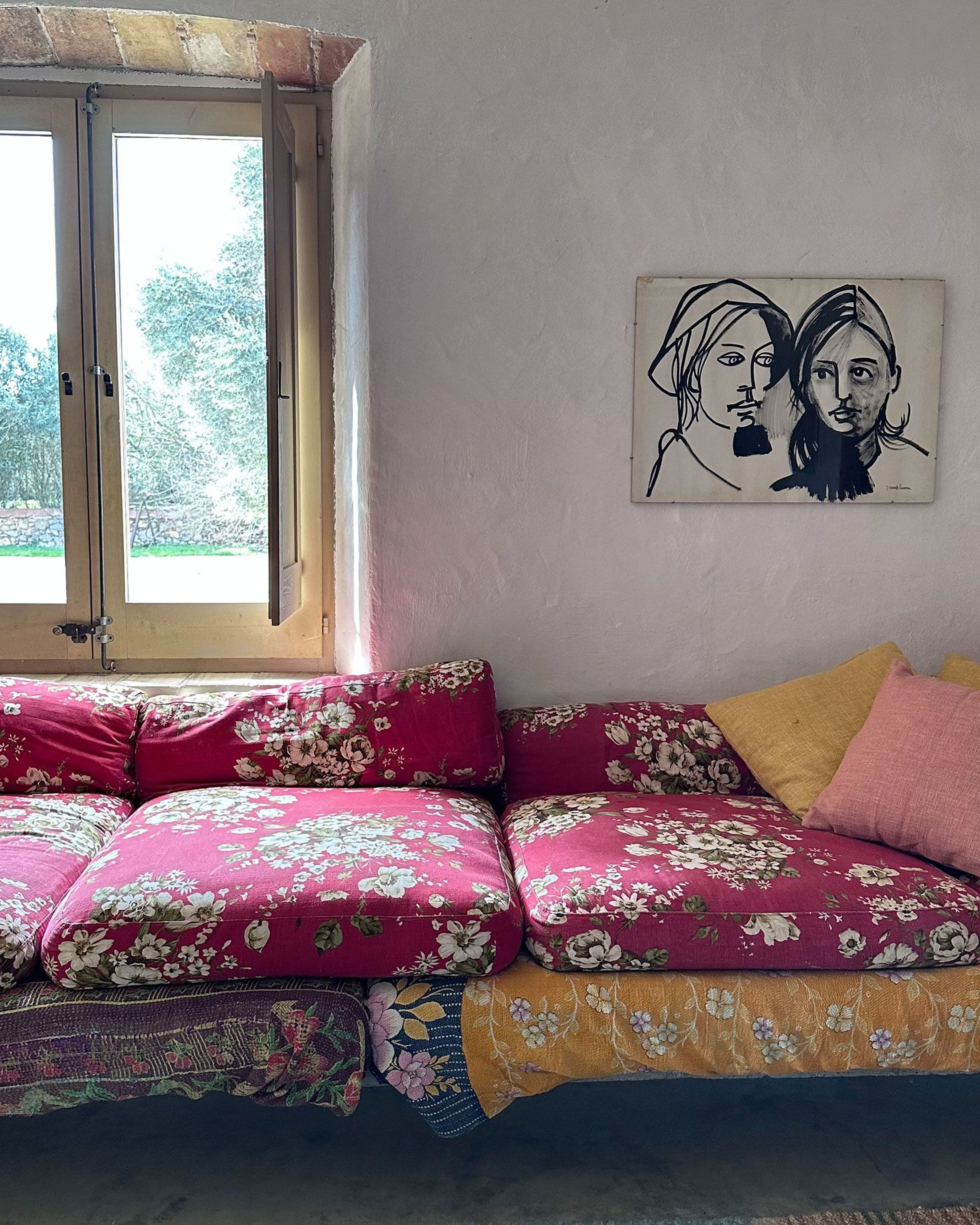
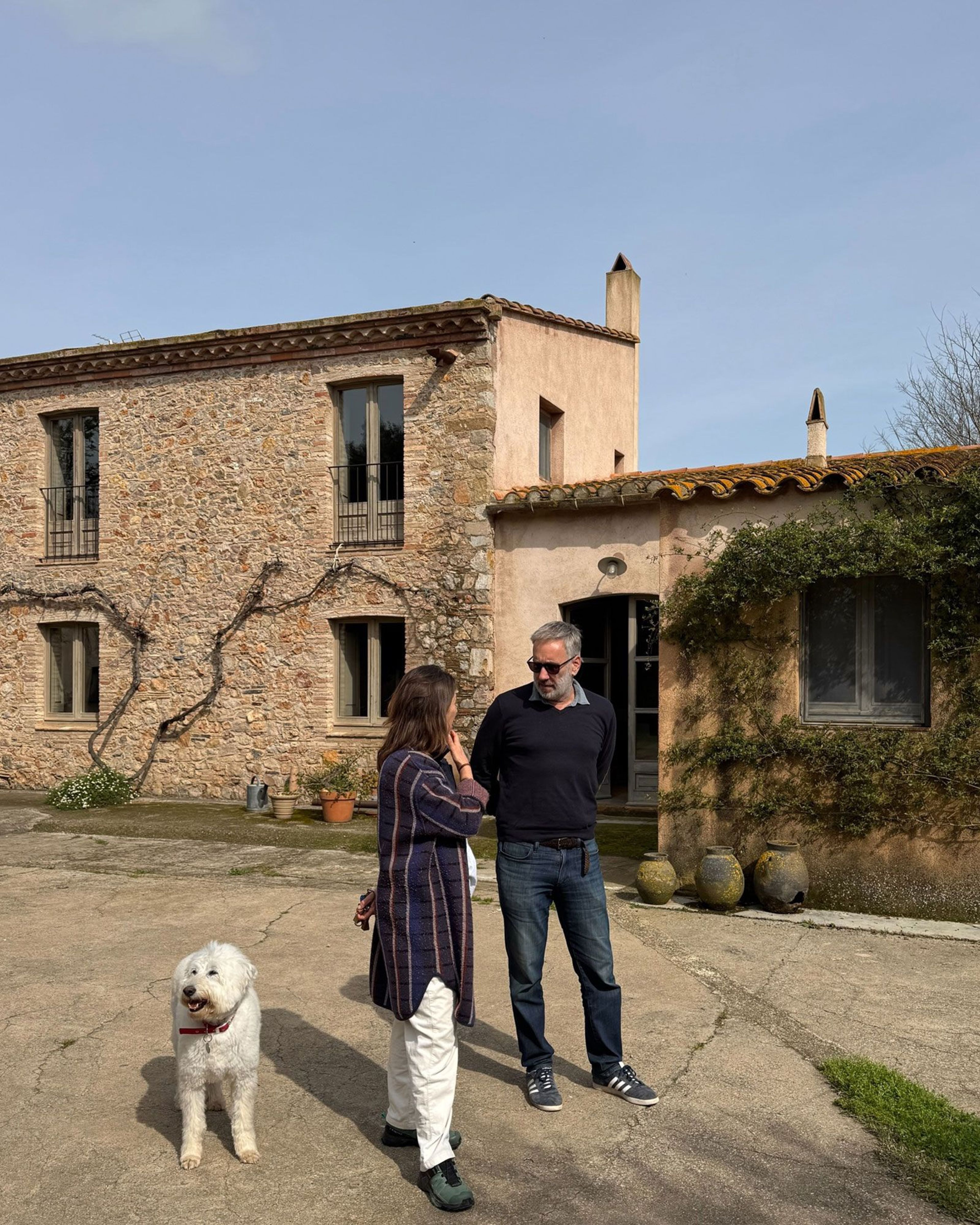
From Ullastret, Júlia and I visited Mas Pepito, a compound of farmhouses shared by ceramicist Begoña Diaz-Aguado and her three siblings. It has a lived-in charm that feels like a deeply personal expression of their aesthetics and way of life. With views over fields and nearby hilltop towns, the setting is a quiet respite from the nearby beaches and vacation homes of the Costa Brava. I could happily—and lazily—sit for days watching the sunrise and sunset over the fields surrounding the house.
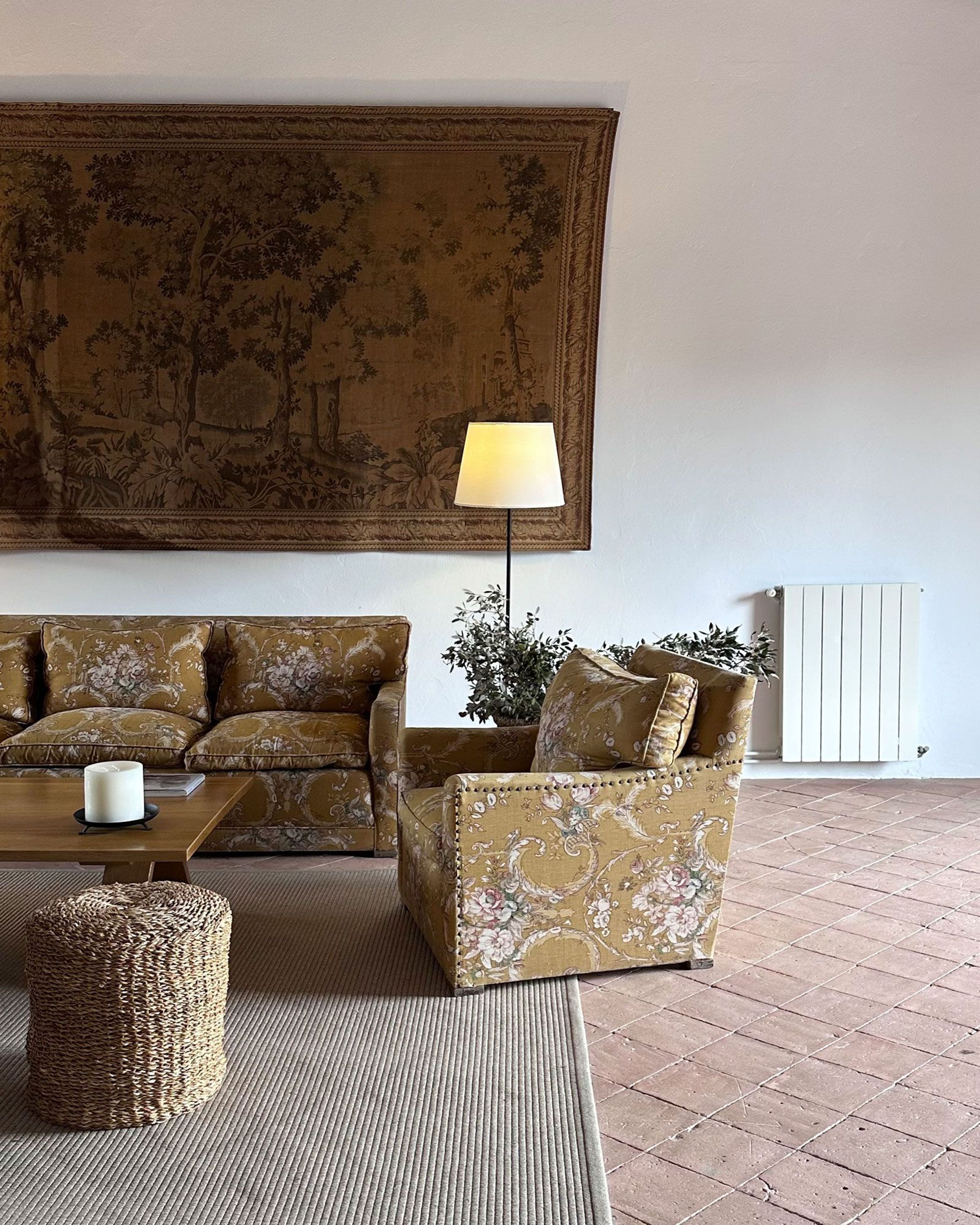
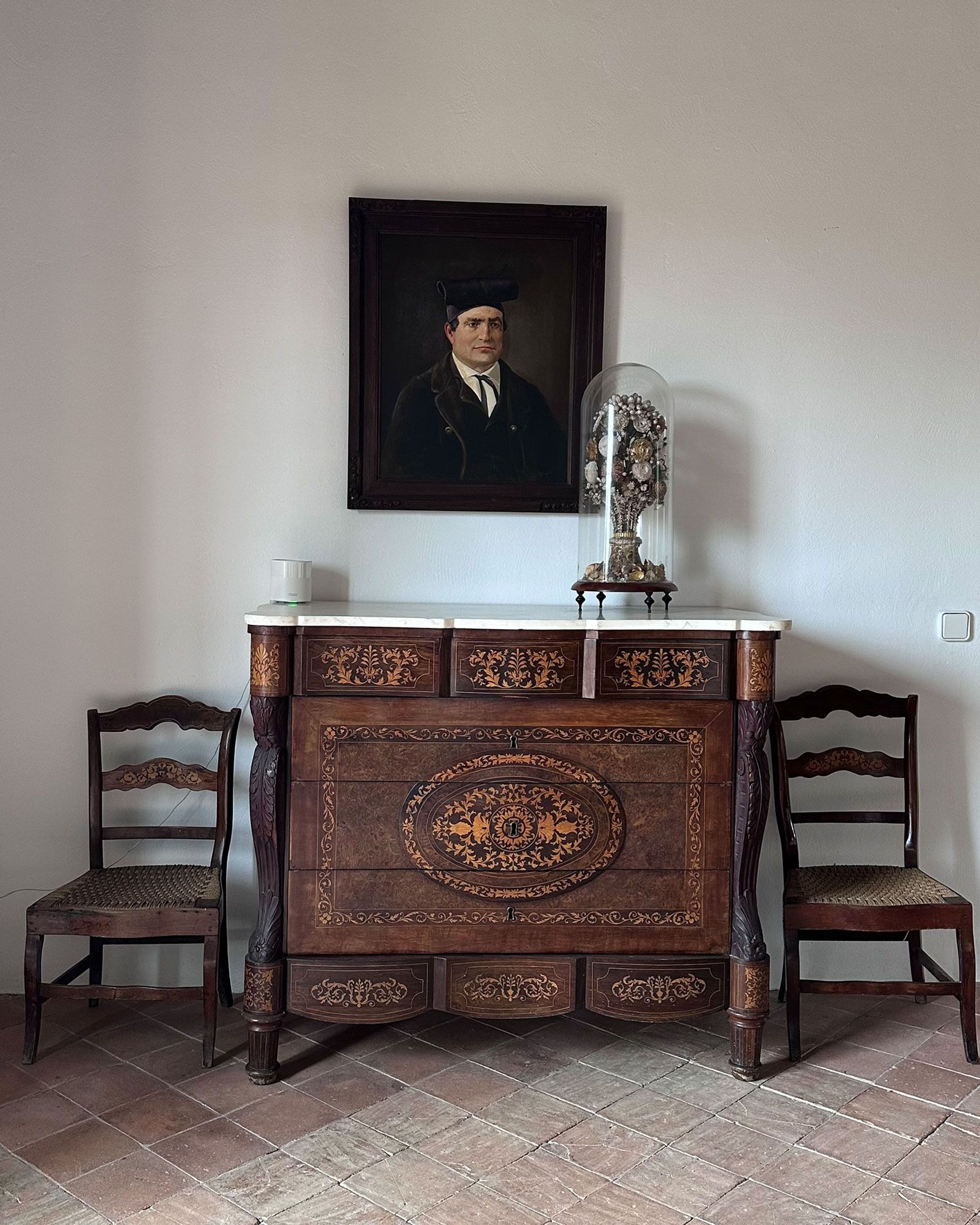
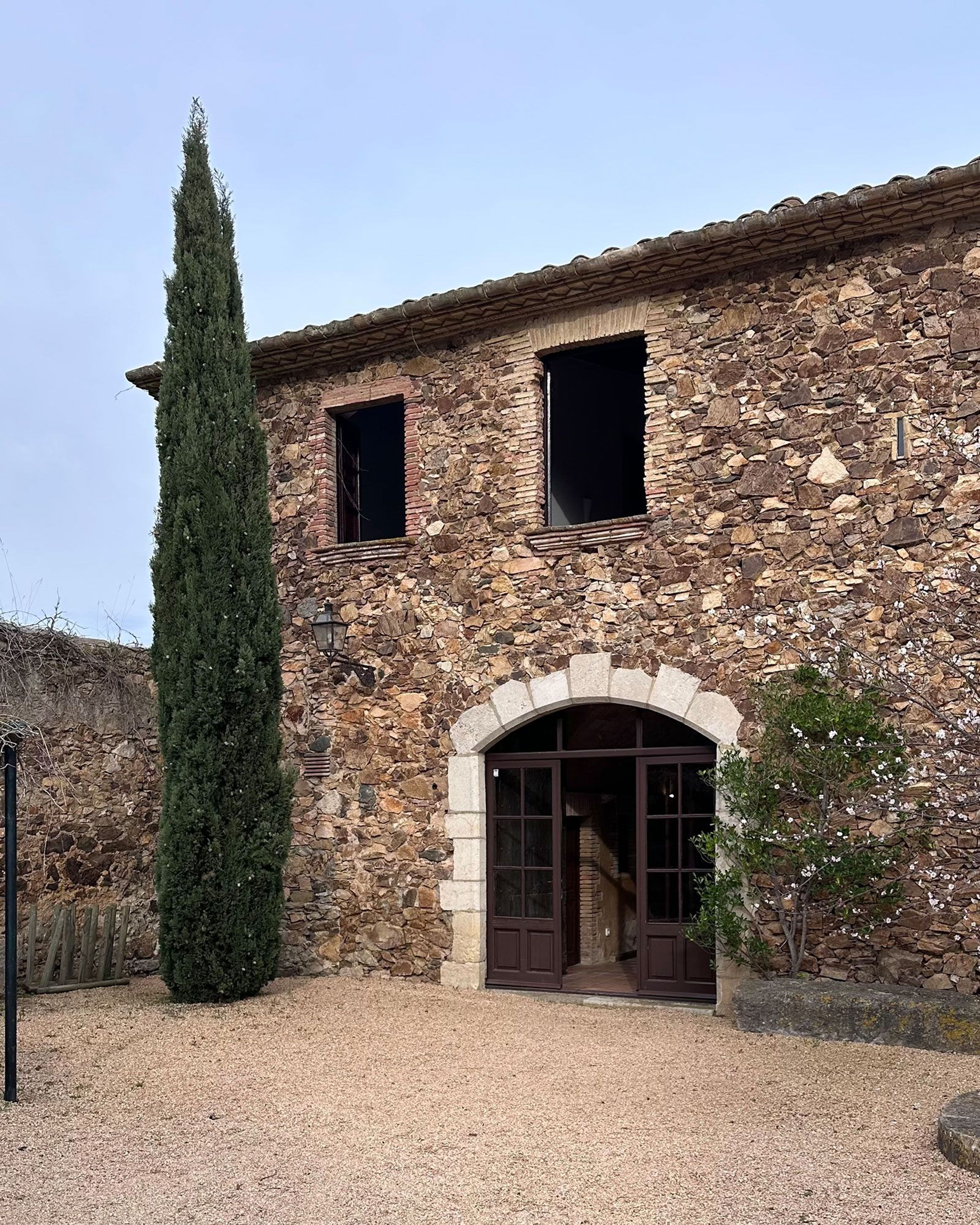
We finished the day at Mas Empordà, where owner Lucia Berenguer Marsal welcomed us. Her multi-generational home from the 1840s was at one point an olive farm, and the large vaulted central hallway still holds the century-old press. The house is surrounded by a lovely garden with old cypress and fig trees. It’s a stone’s throw from hilltop village Mont-Ras, and the great beaches of the Costa Brava are a 10-minute car ride or 30-minute bike ride away. (An Interesting side note, the neighboring property is the home of late architect Ricardo Bofill, and the total architectural opposite of the Mas.)
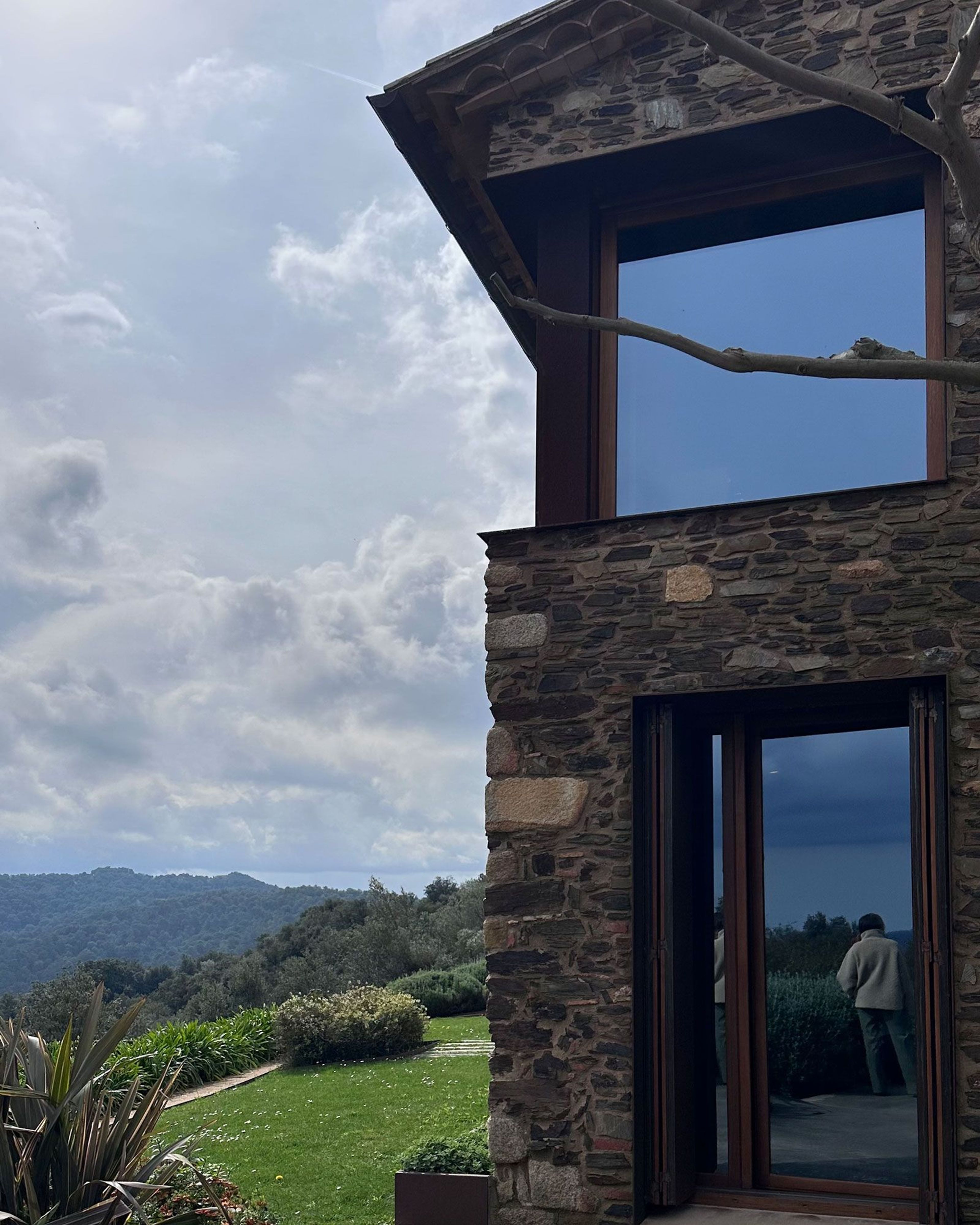
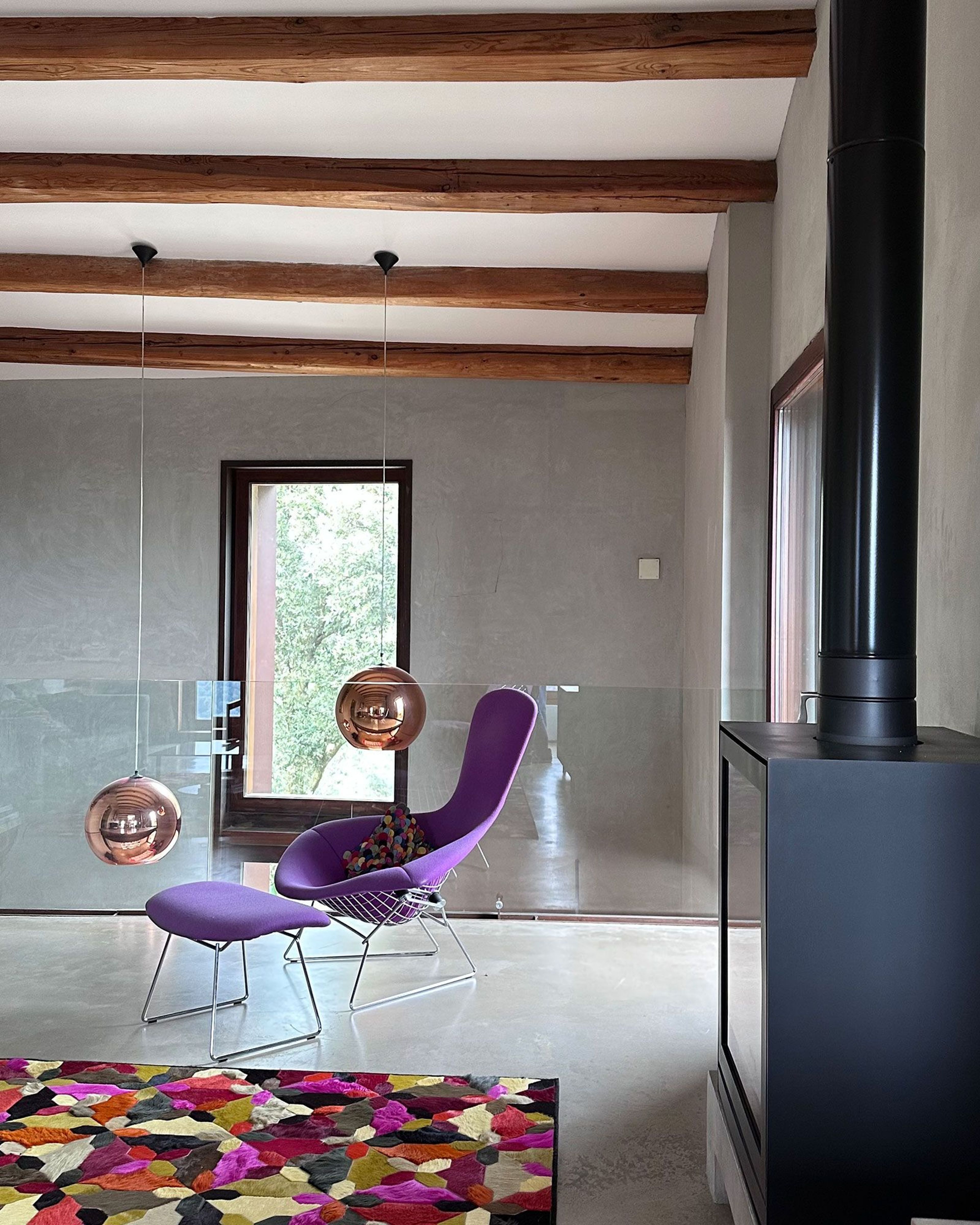
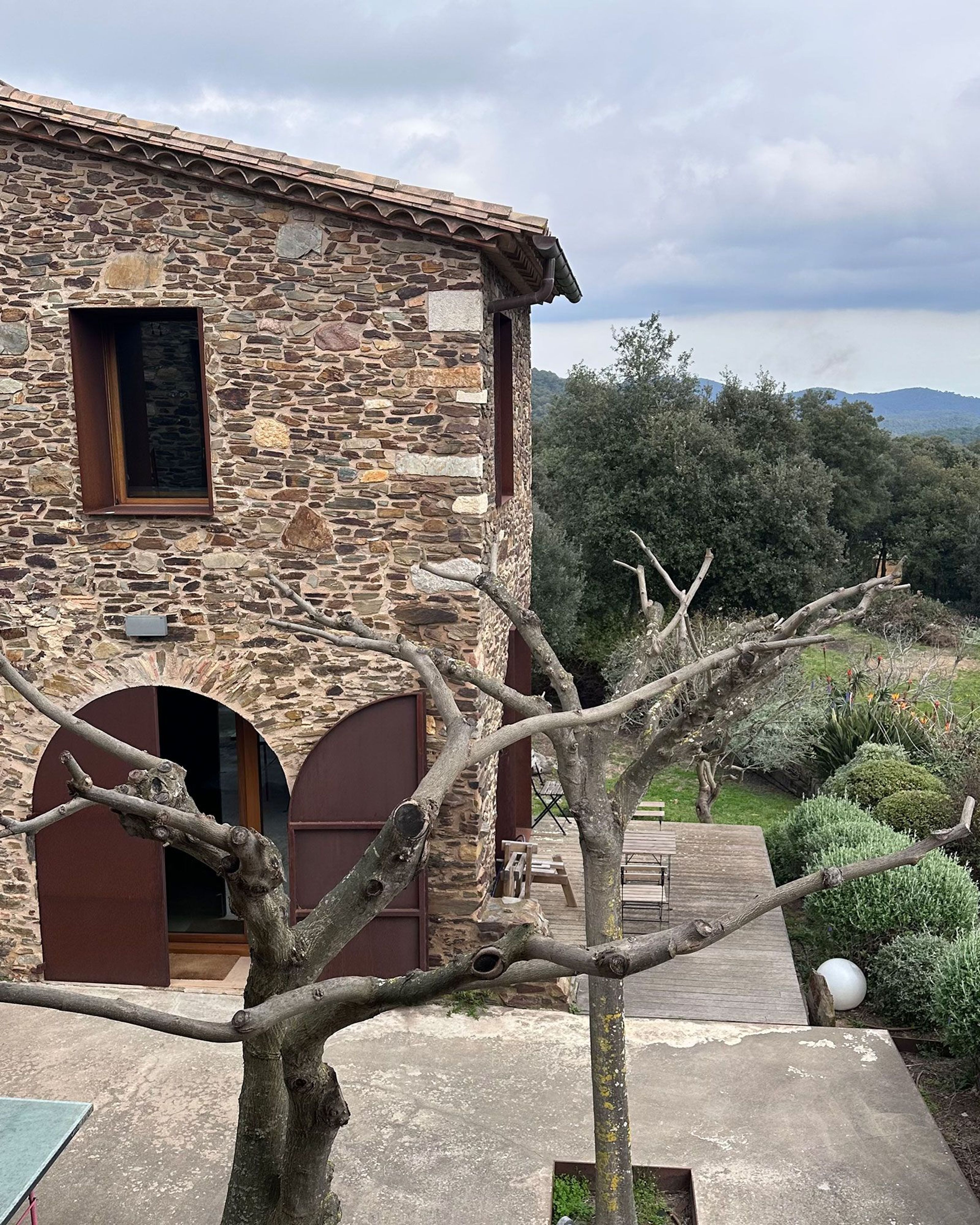
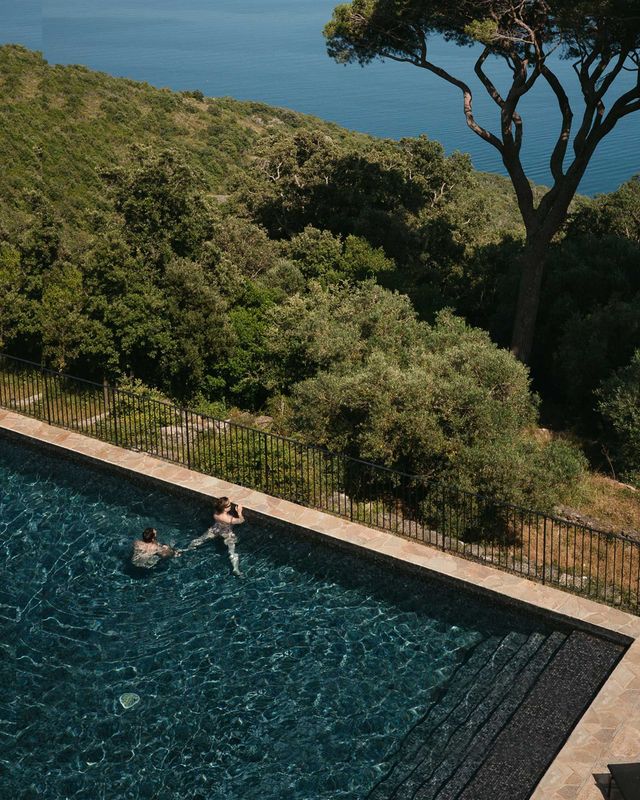
Our penultimate visit was to Villa CP, the home of Guy Gover and his wife Co, the founder of Zest Architecture. Sited on a ledge overlooking thousands of acres of protected parkland, it is the weekend home of the British-Dutch family, who are based in Barcelona. The property has 60 acres of olive and cork trees, and is far removed from the Costa Brava crowds. The house is so isolated that the only sounds were birds swooping above the valley and the gurgling of the pool. While the design—modern Corten steel screens set against ancient stone walls—is a striking study in modernism and respect for history, I'd happily spend all day outside in the pool, soaking in the scenery (and the silence).
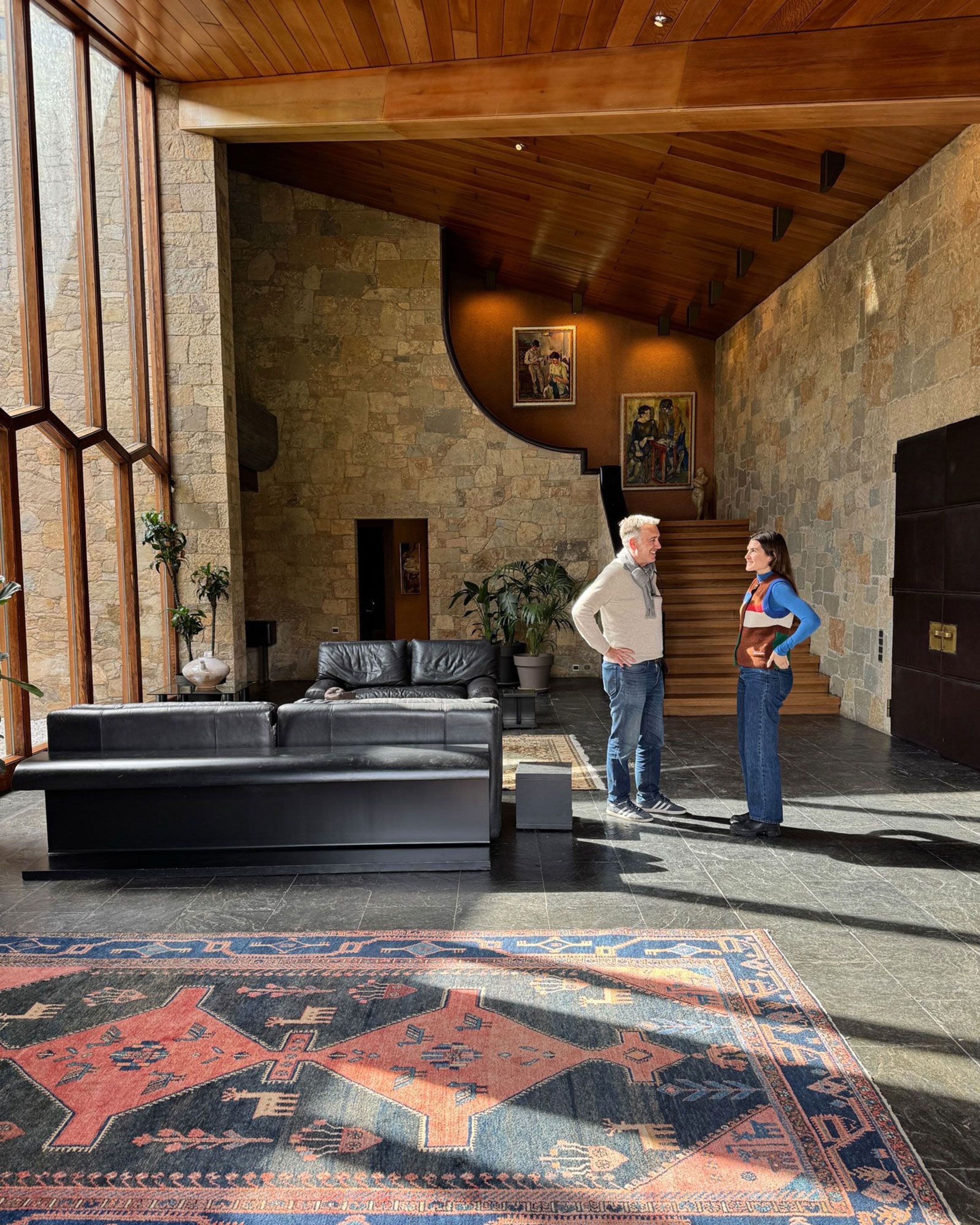
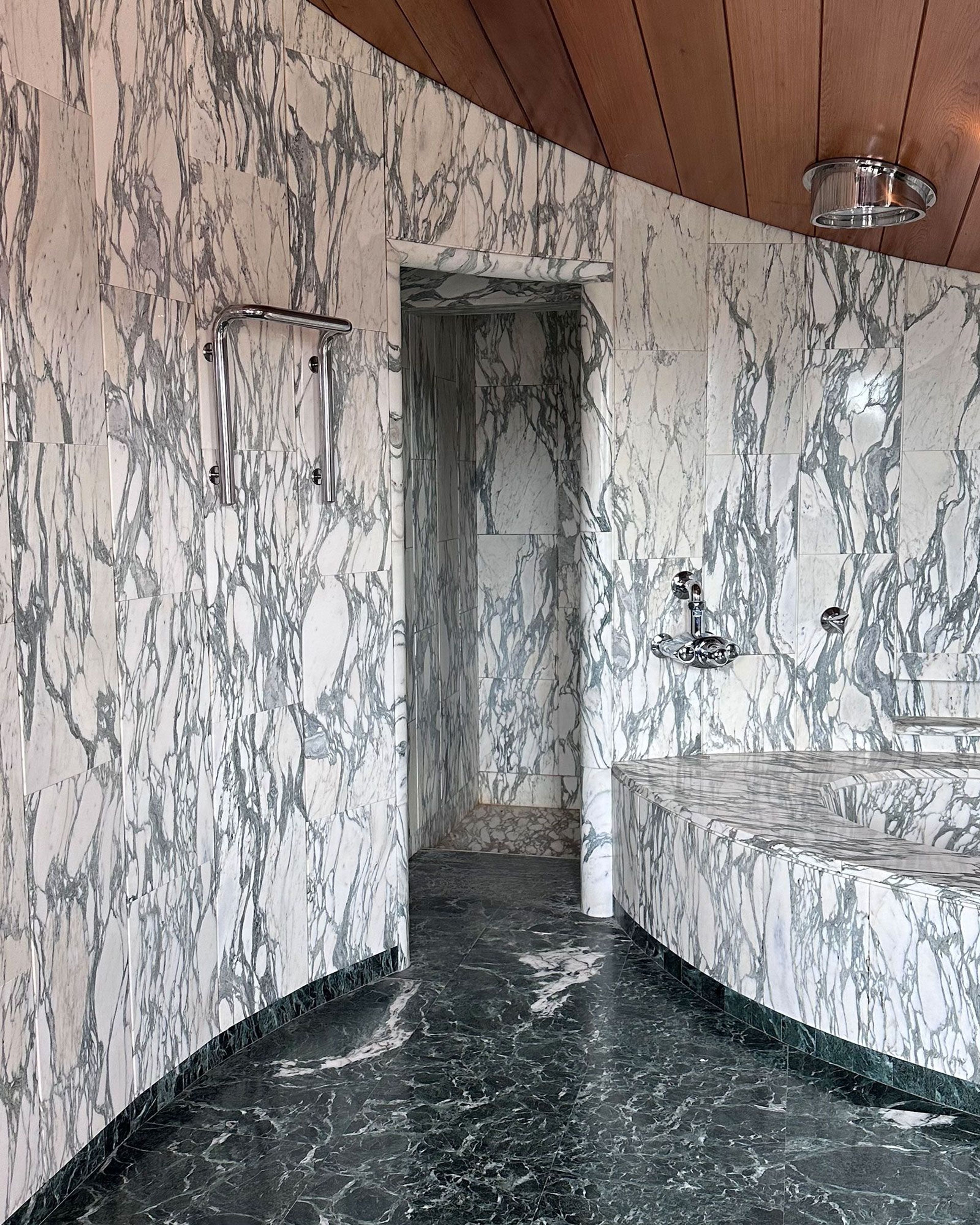
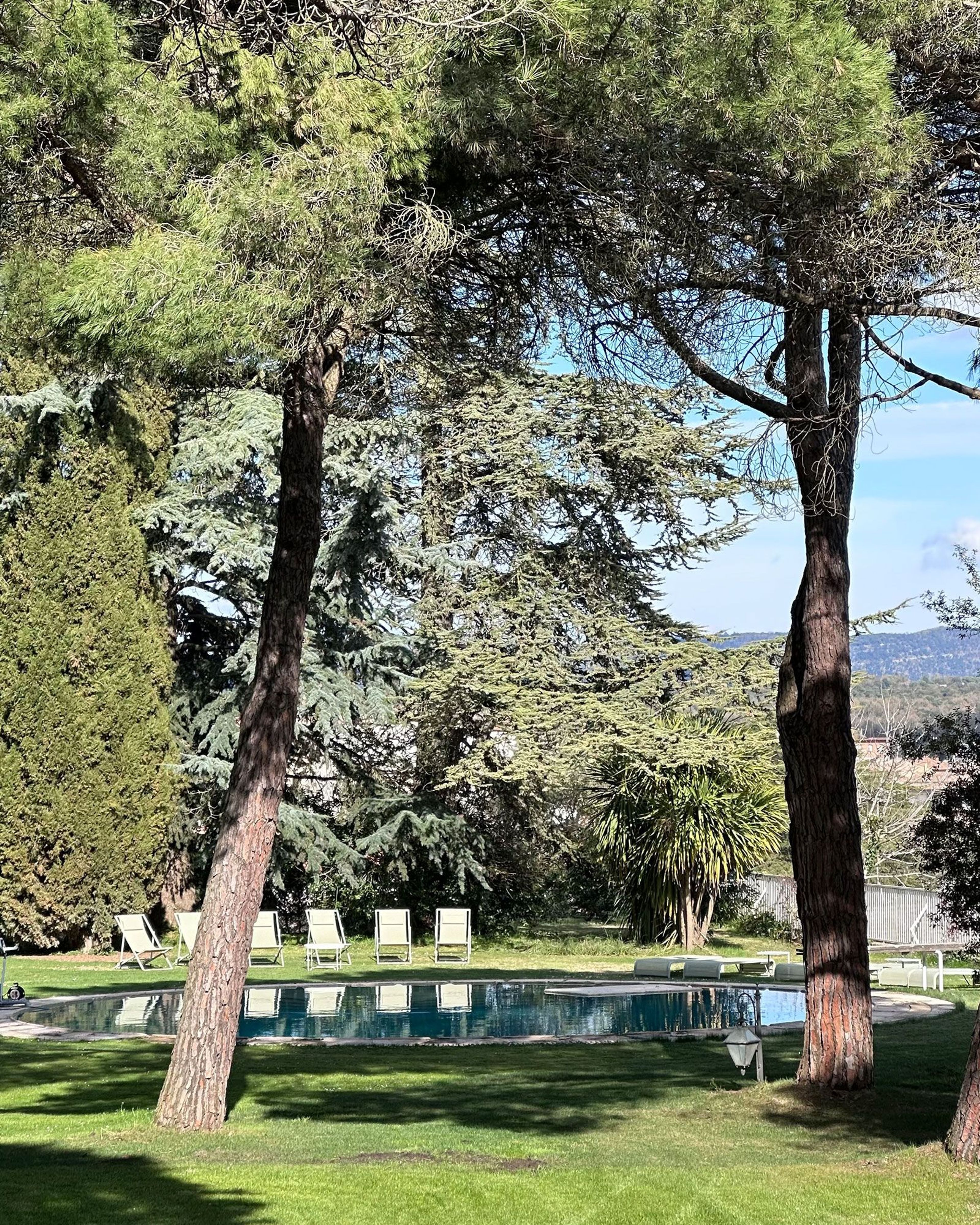
Our final stop, 45 minutes outside Barcelona, was CasaKubrick. This is a James Bond lair of a house. But calling it a house doesn’t do it justice. It’s a massive property, behind a curved brick wall, with an imposing sliding wooden door that reveals a driveway up to a fountain, and beyond it, the house. The architect Robert Terradas i Via was a leader in the Spanish rationalist movement. The angular roofline feels shiplike as it sails above the valley overlooking parkland, with no other properties in sight.
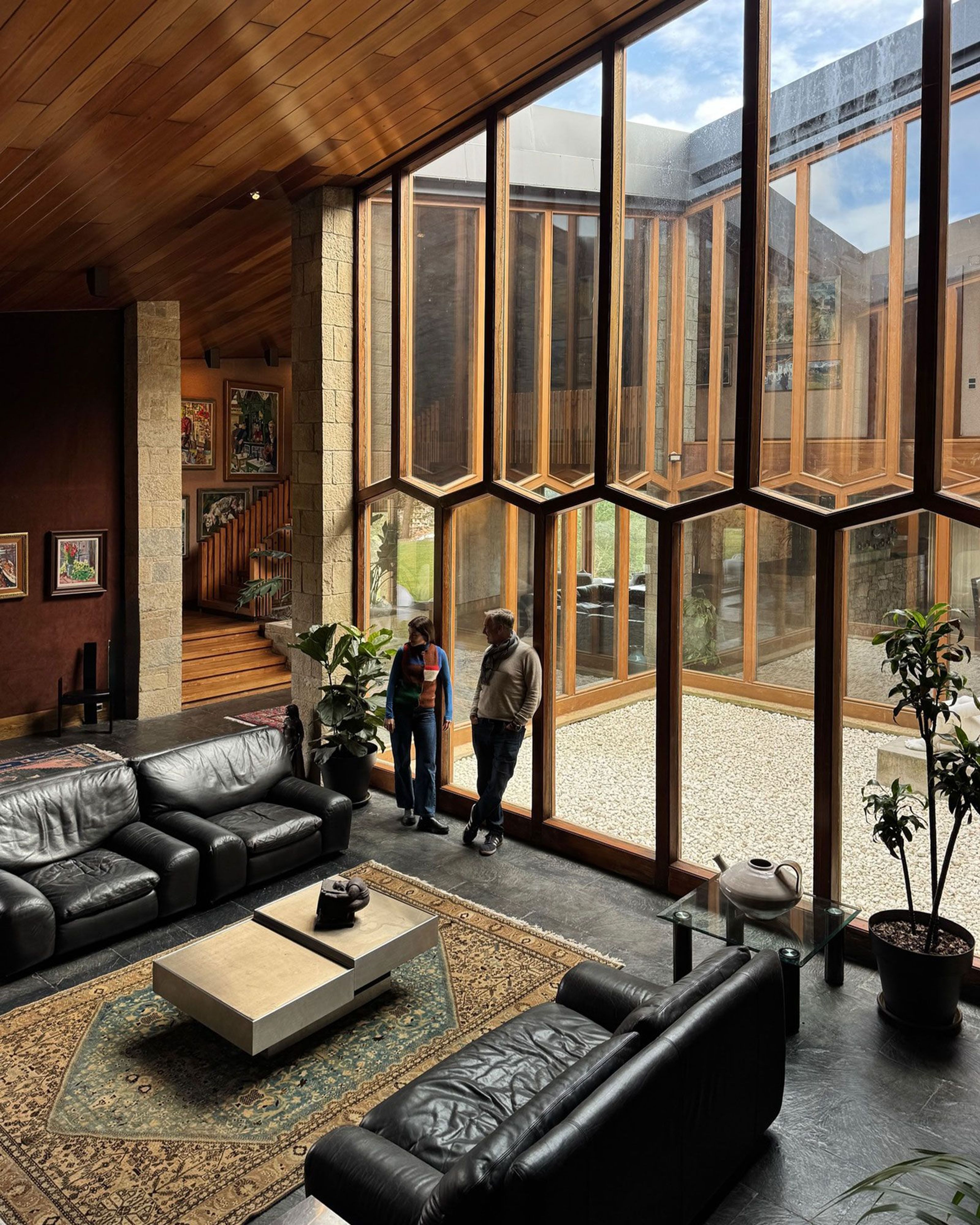
There’s a 600-foot tunnel underneath the mountain on which the property is located, built as an escape (as many affluent families feared being kidnapped in the 1970s) but now used as a path to the swimming pool. Indeed, given its privacy and this protection, it’s said that the house was also used from time to time by King Juan Carlos for discreet visits with his many mistresses. Whether that’s true or not, it is certainly easy to see his attraction to the home, as the place drips with retro sex appeal.
STAY
Photo (top): courtesy of Júlia Juste