Sara Acebes Anta’s Cabaña Pasiega Restoration in Cantabria’s Valles Pasiegos
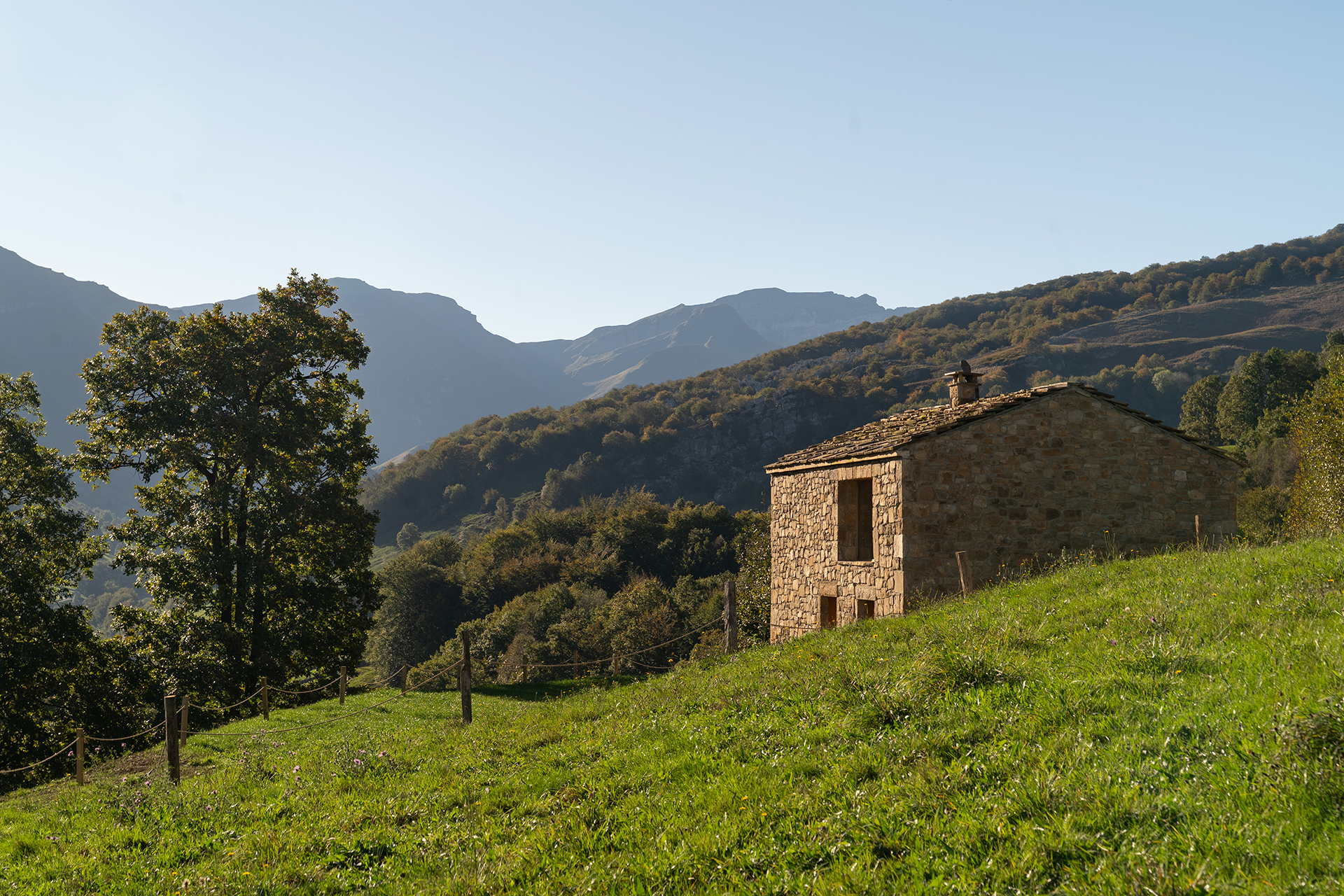
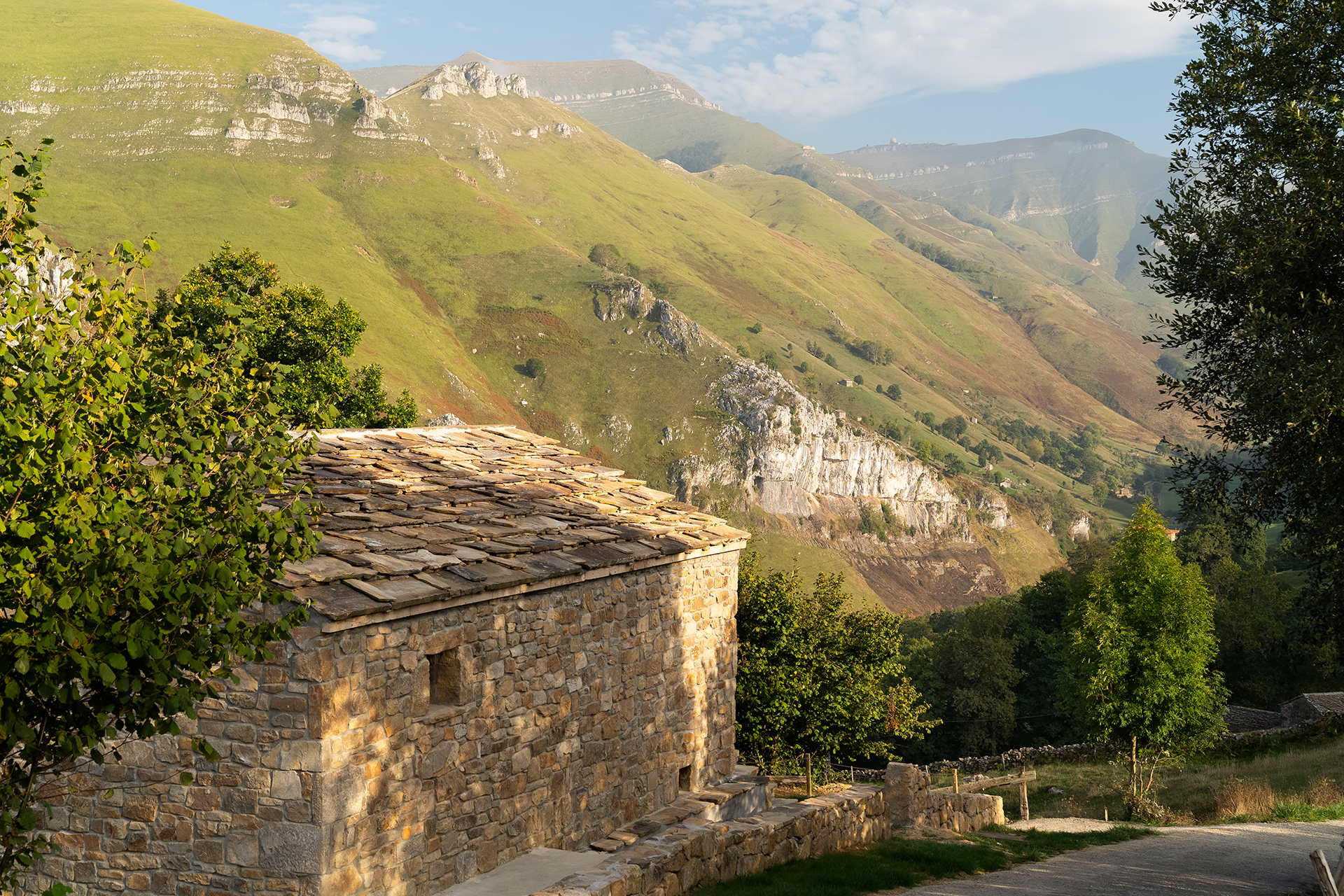
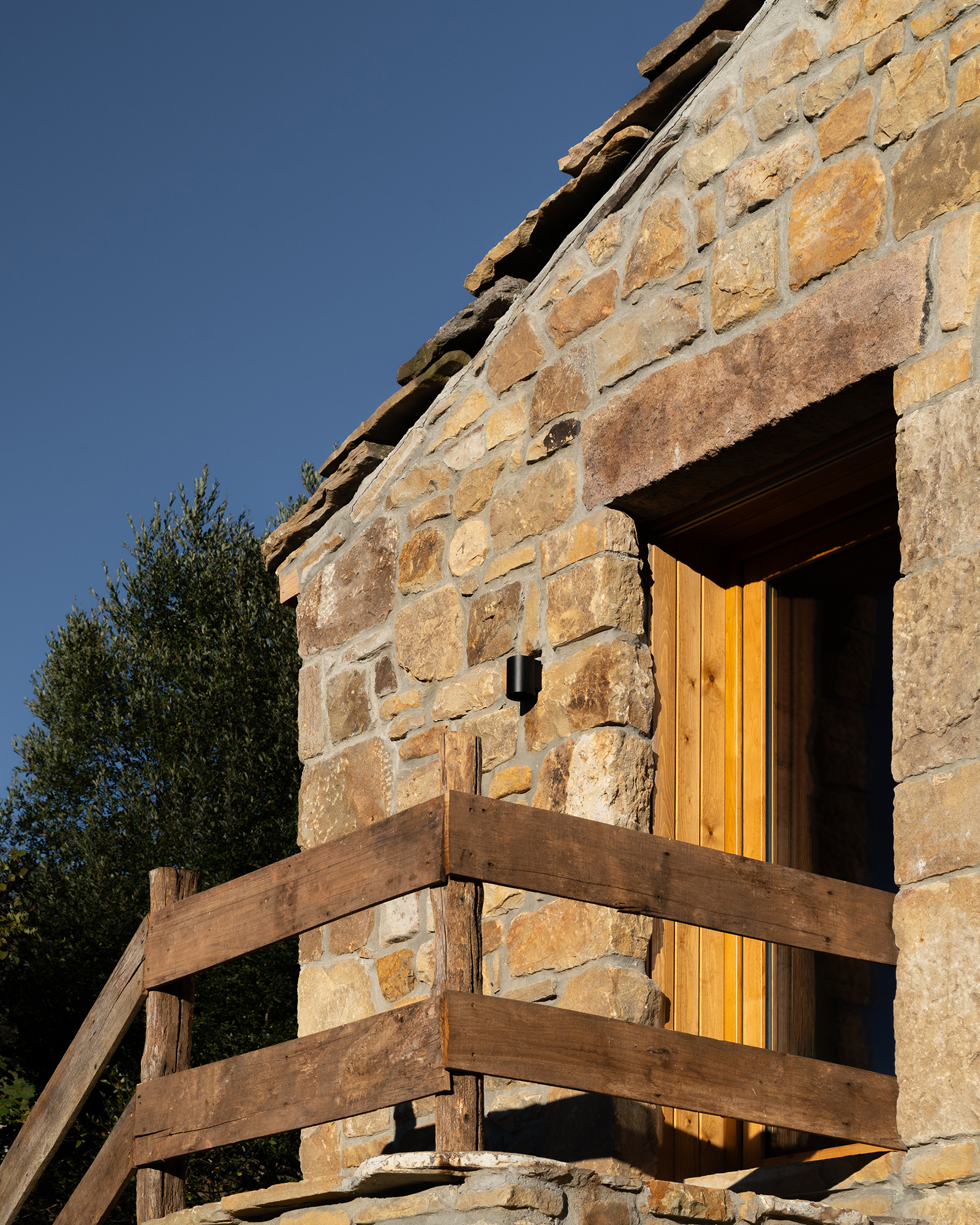
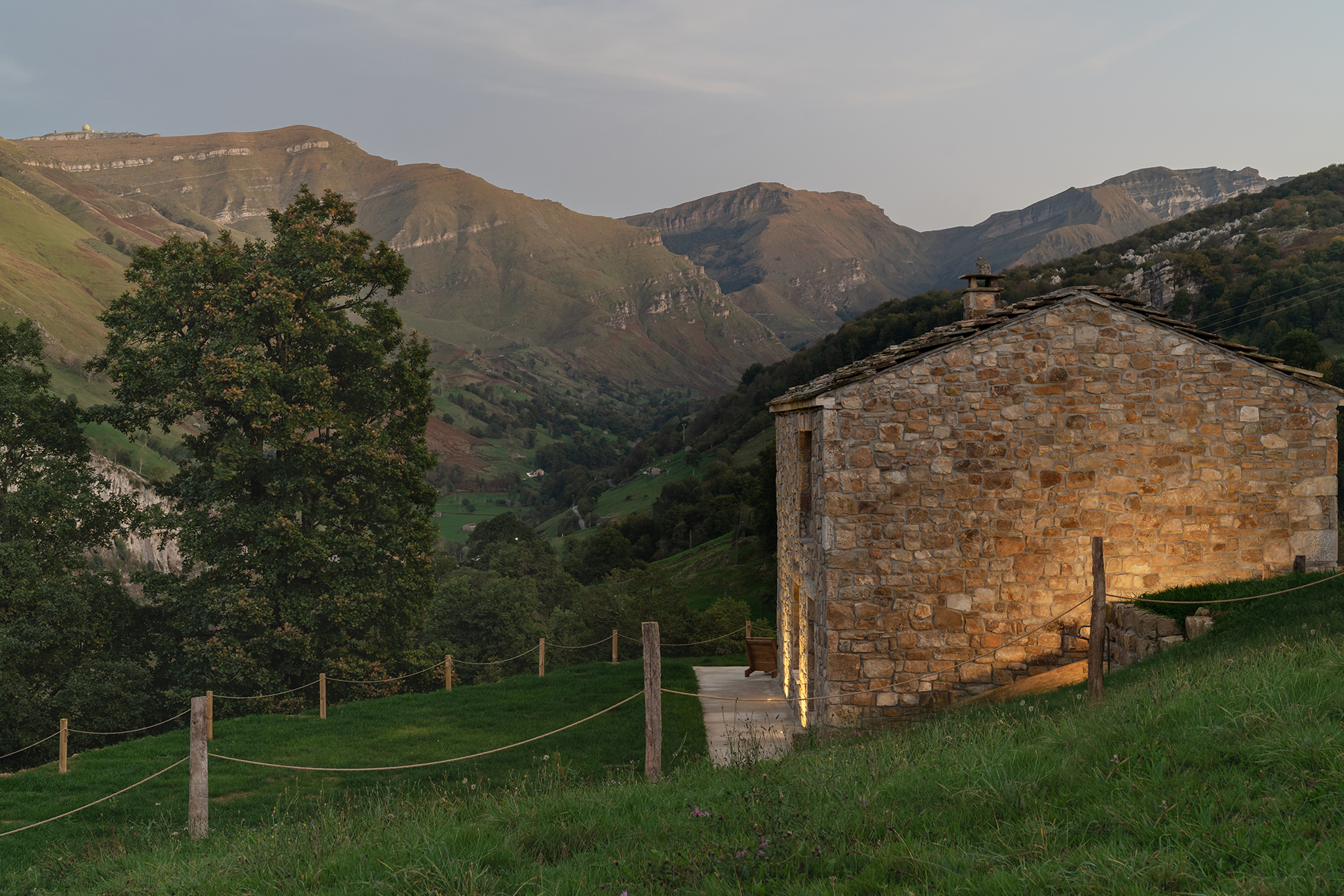
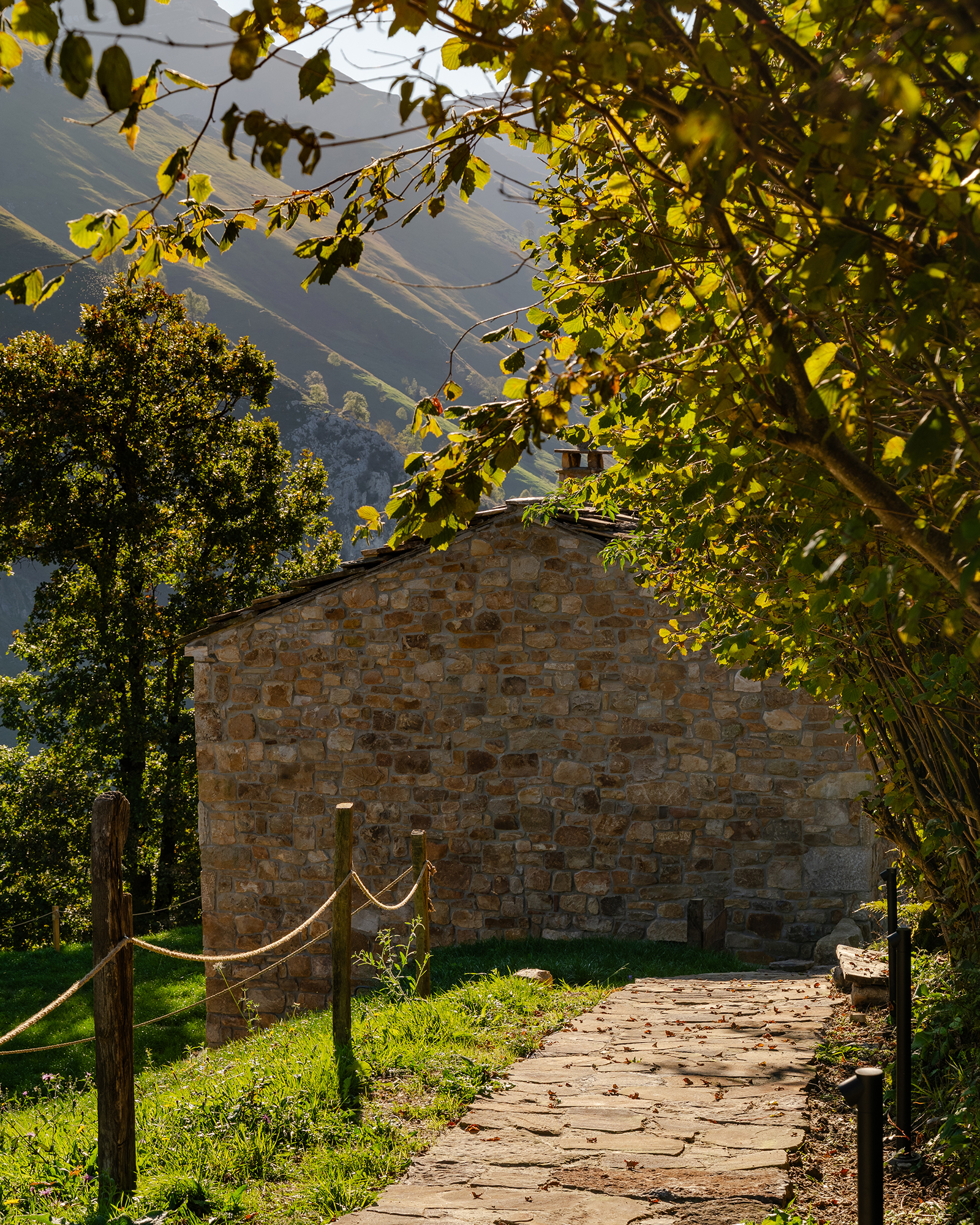
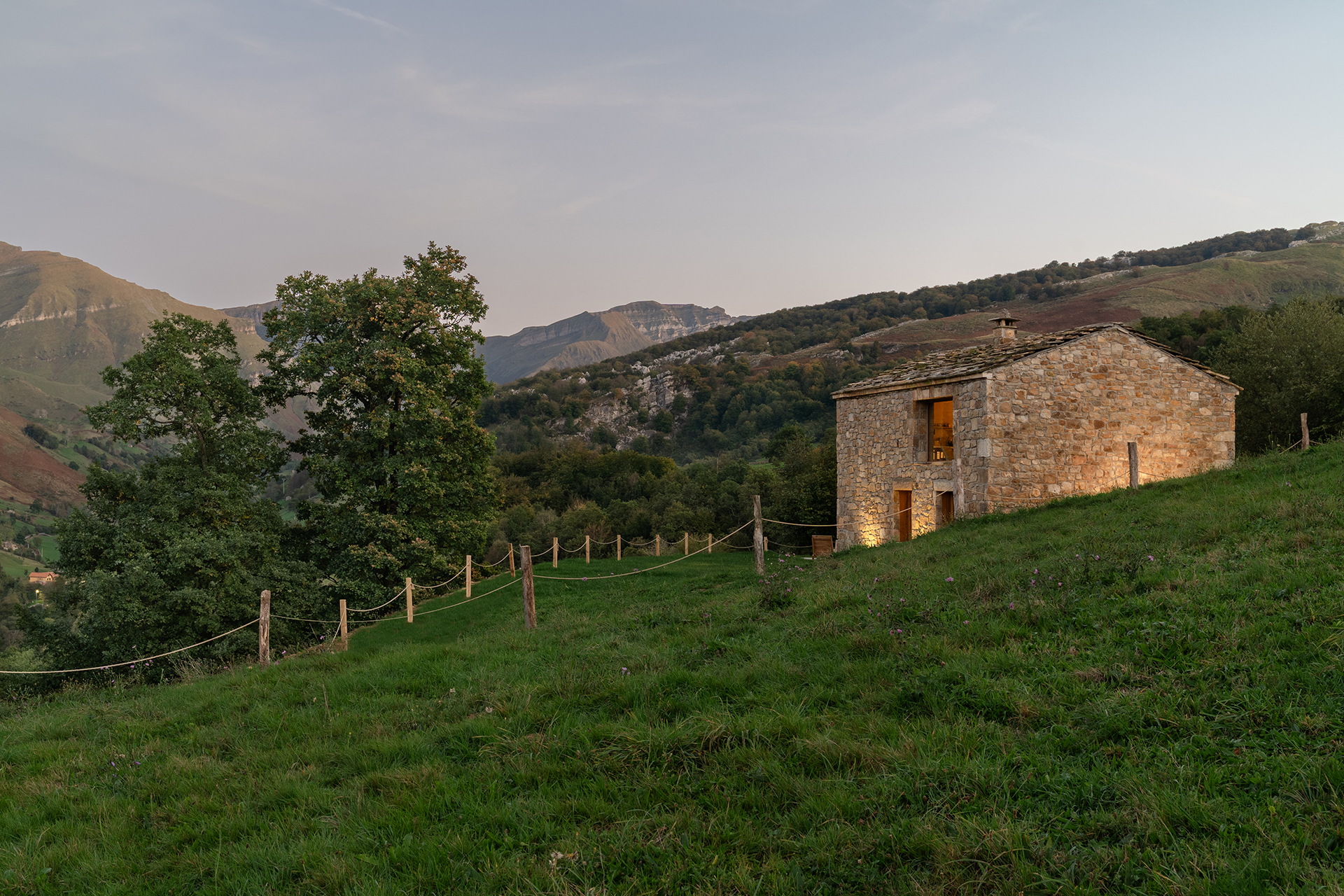
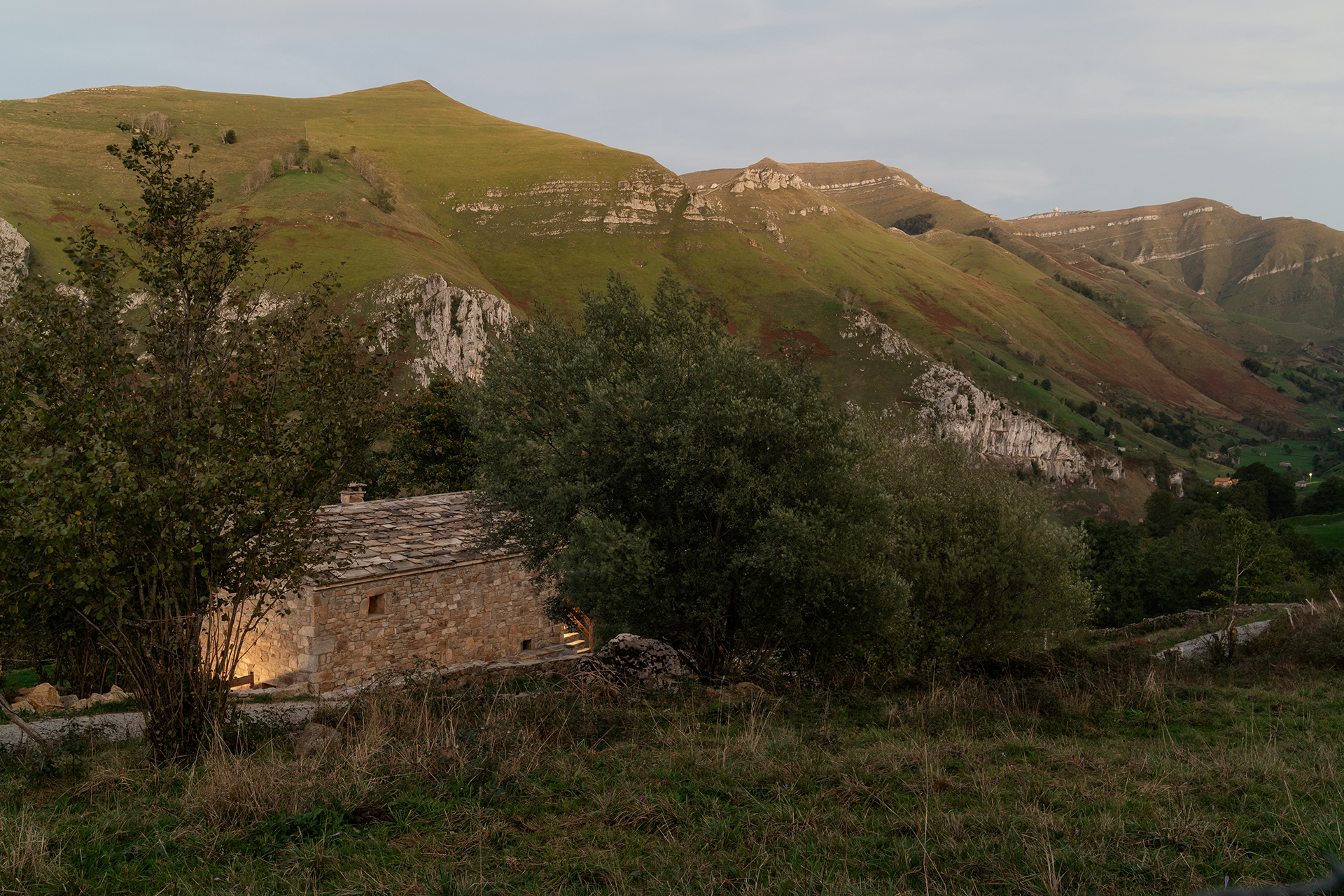
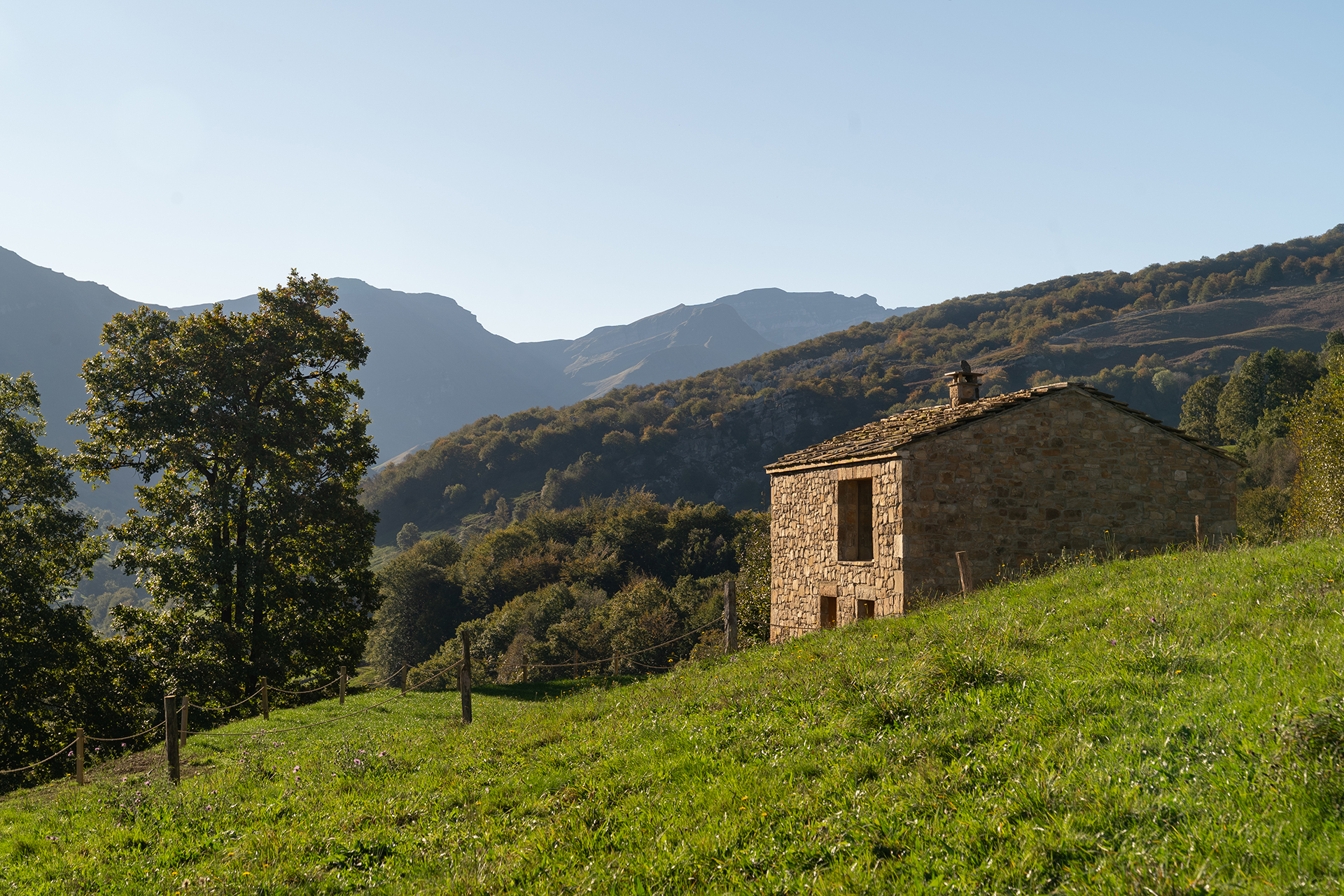
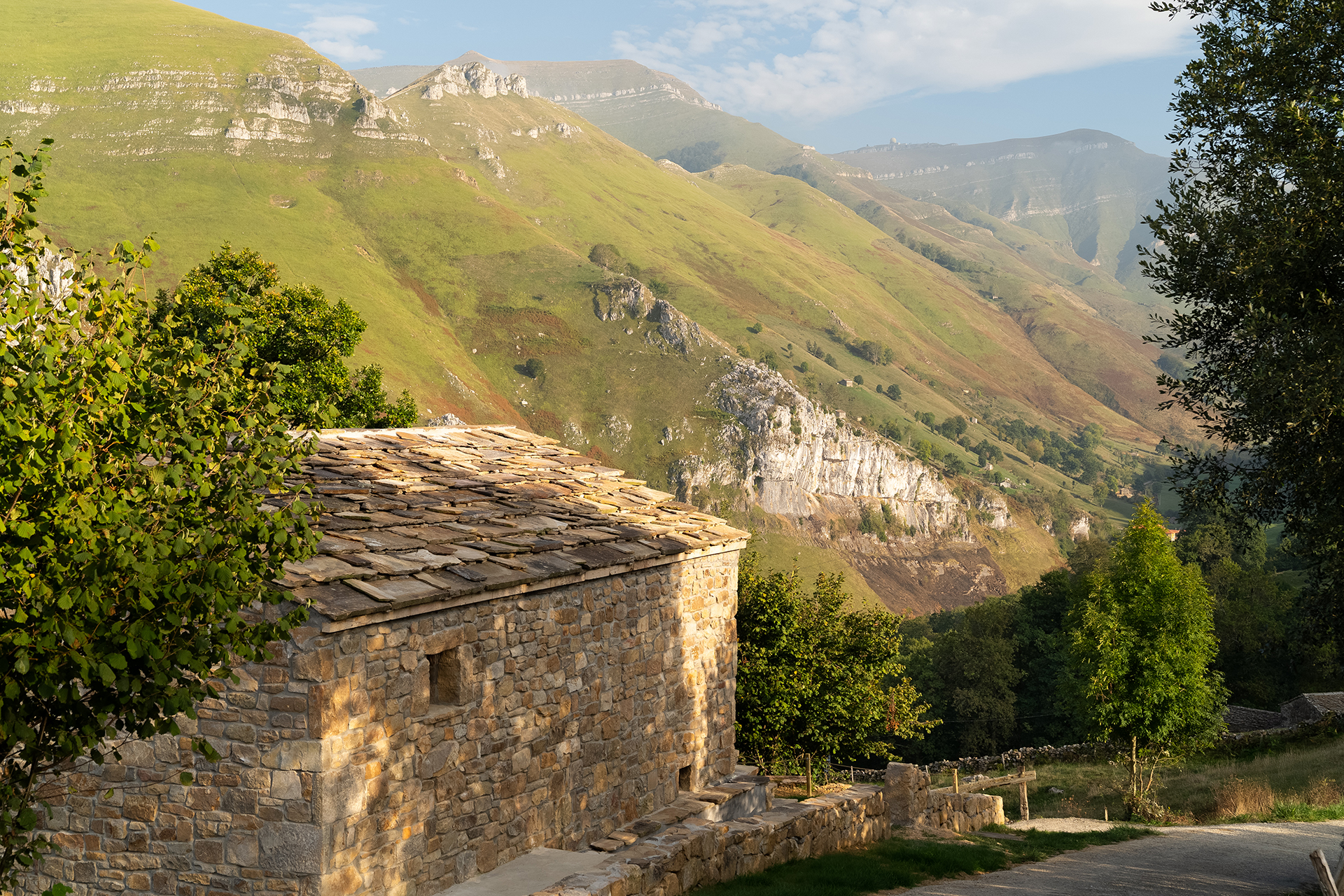
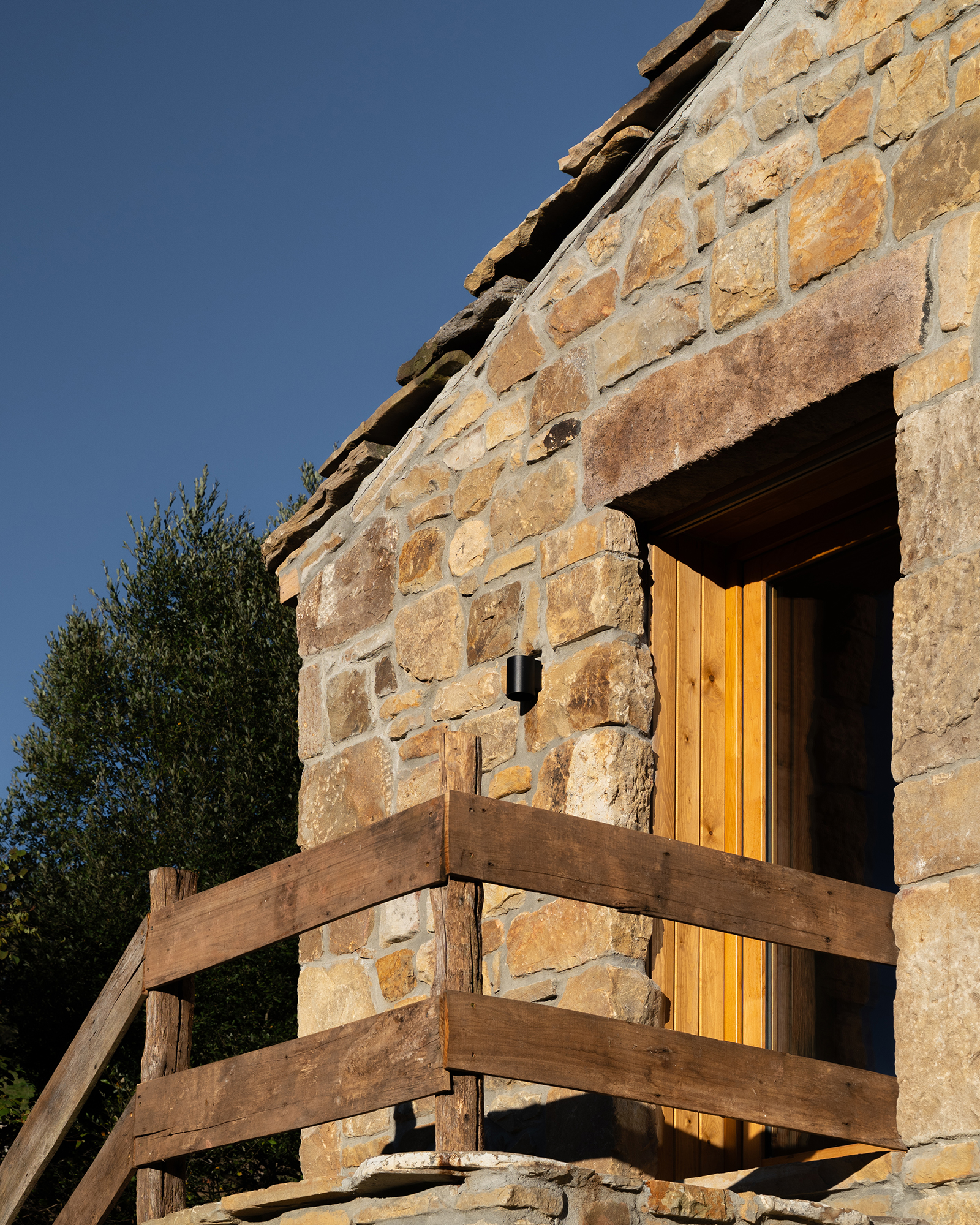
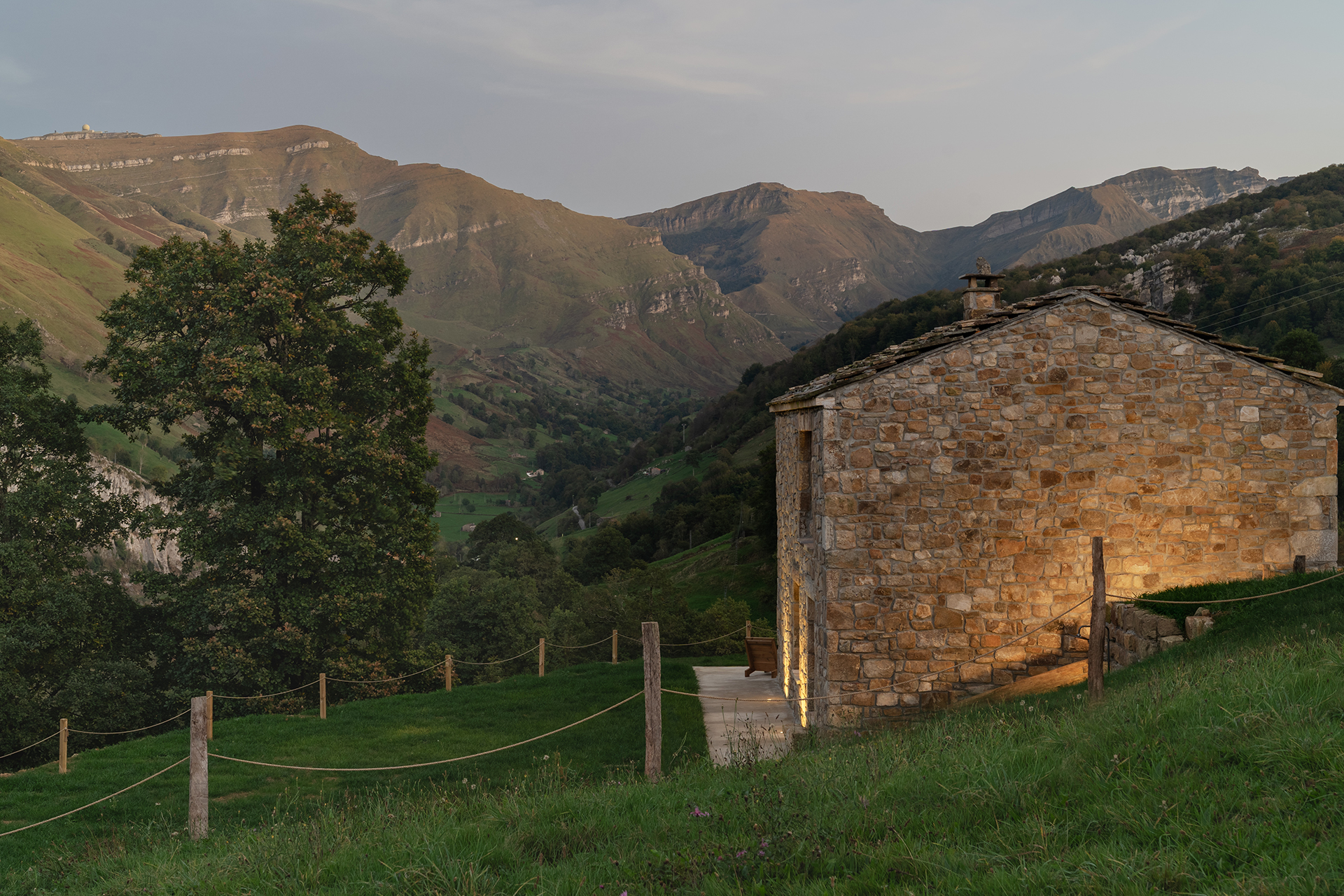
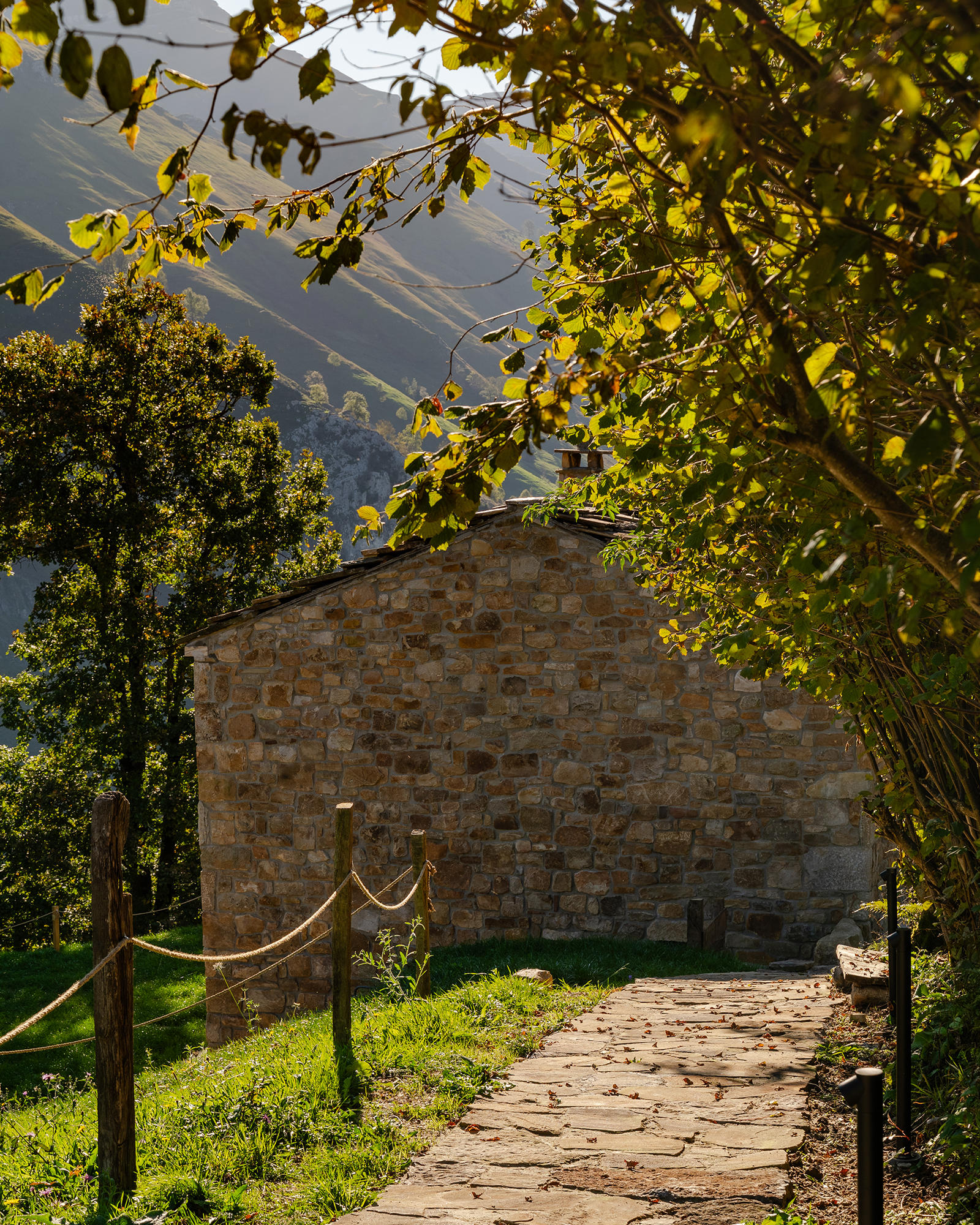
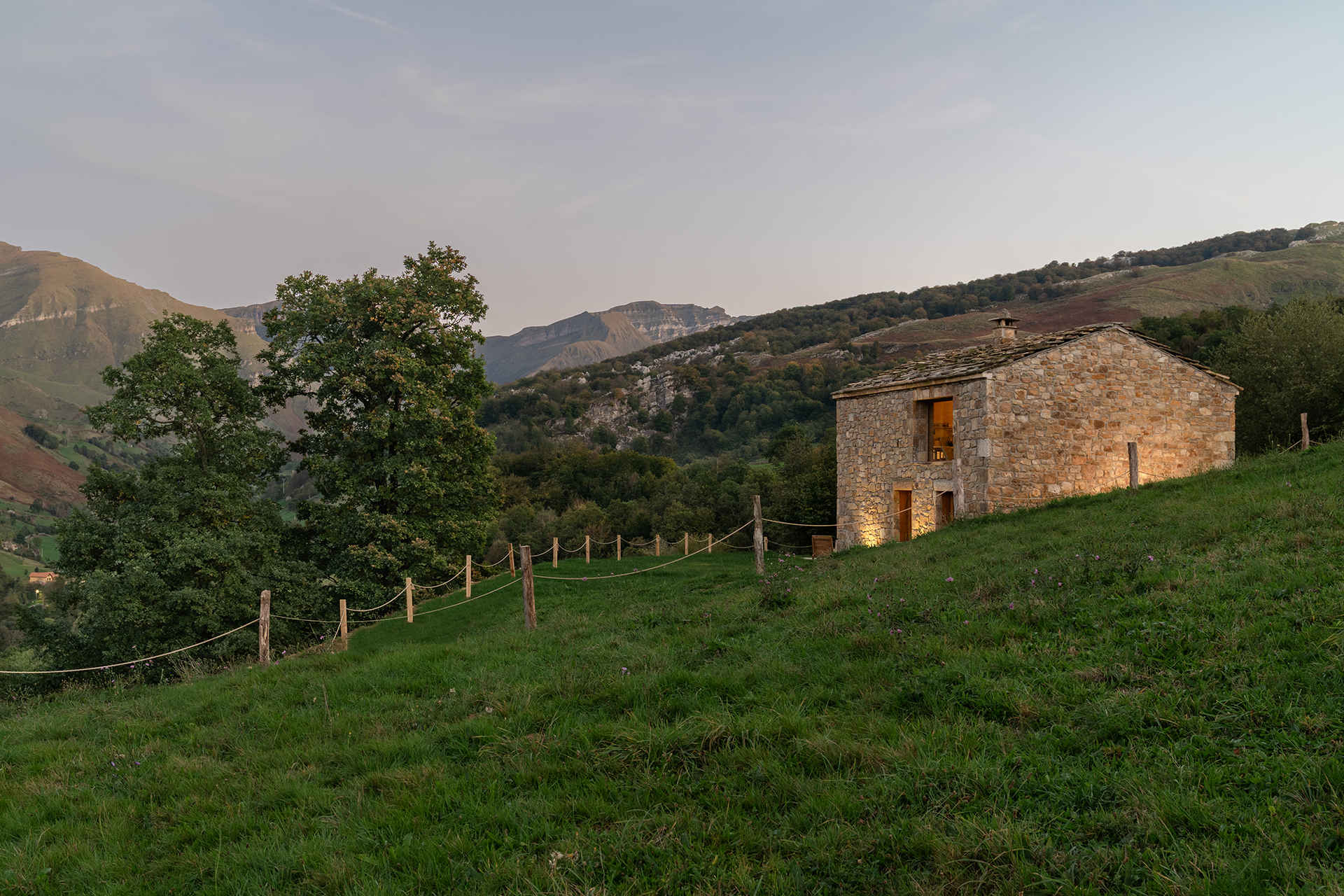
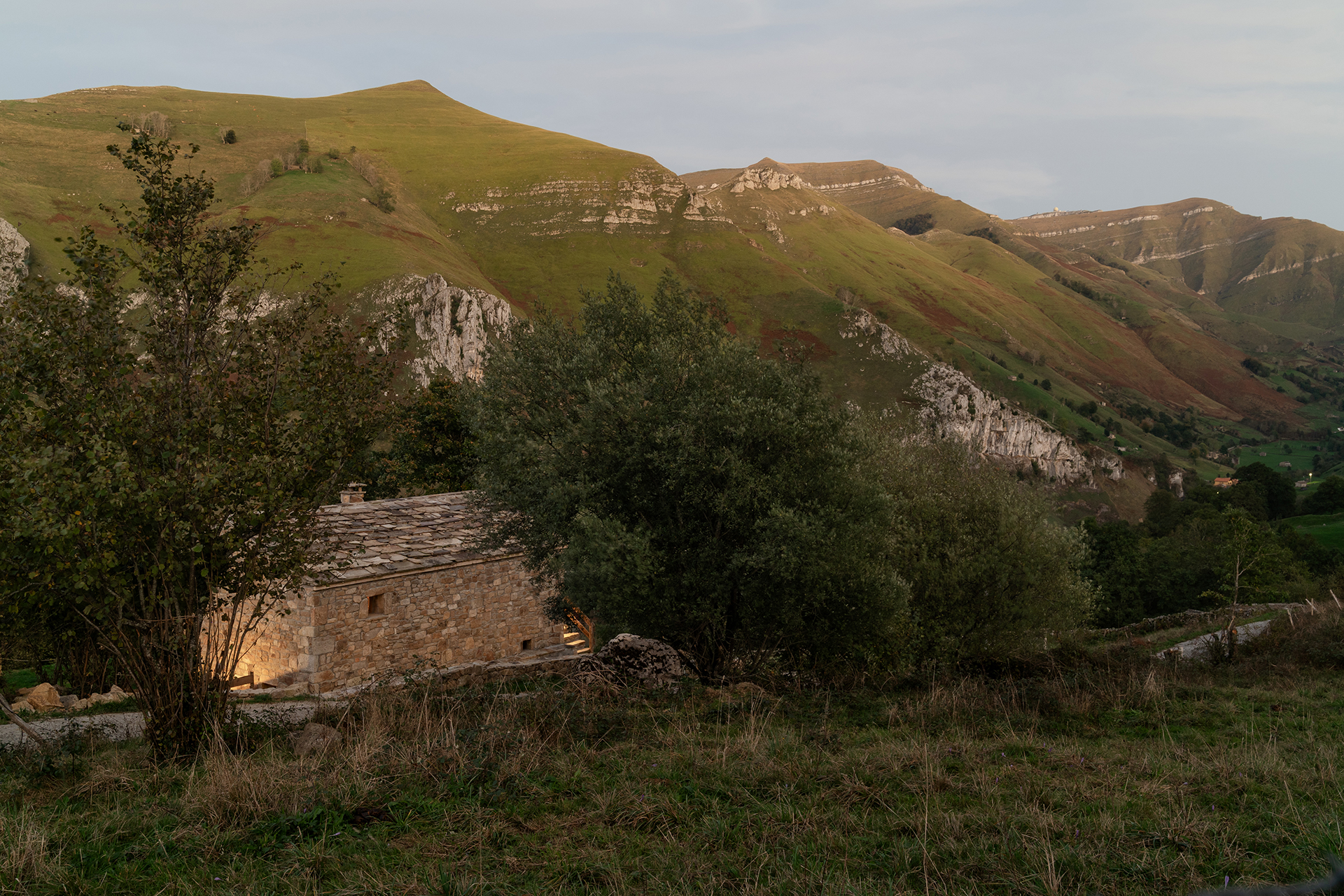
Cabañas pasiegas were built to follow cattle. Stone-walled, slab-roofed shelters, they dotted the landscape from the meadows to the high summer pastures. The way of life that called for them has almost disappeared, and a good many of the cabins with it. Brena was one of those, until a couple bought it to restore and spent four years on approvals before work began in 2024. From the meadow, it still looks like the cabin it was before. The changes are all inside.
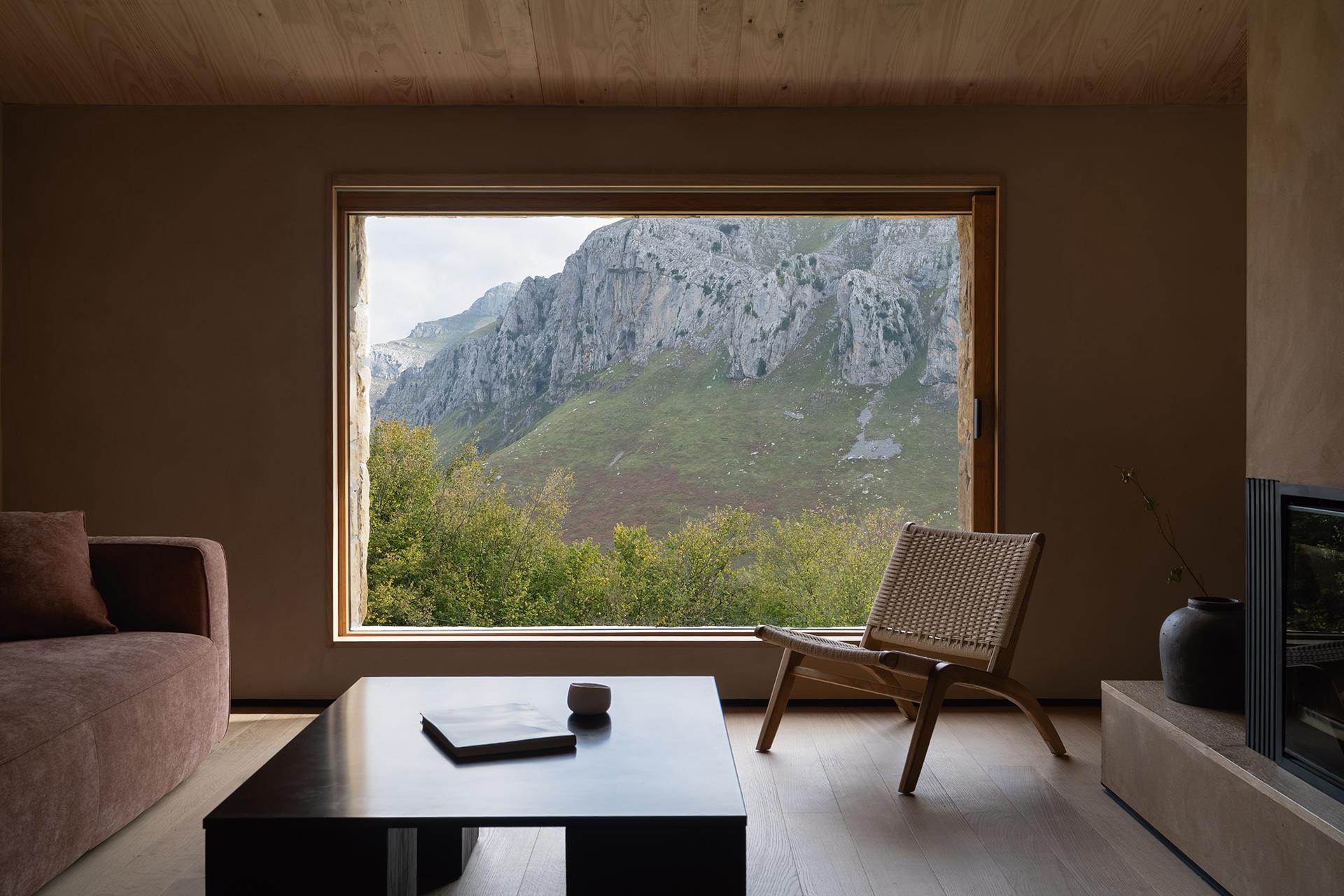
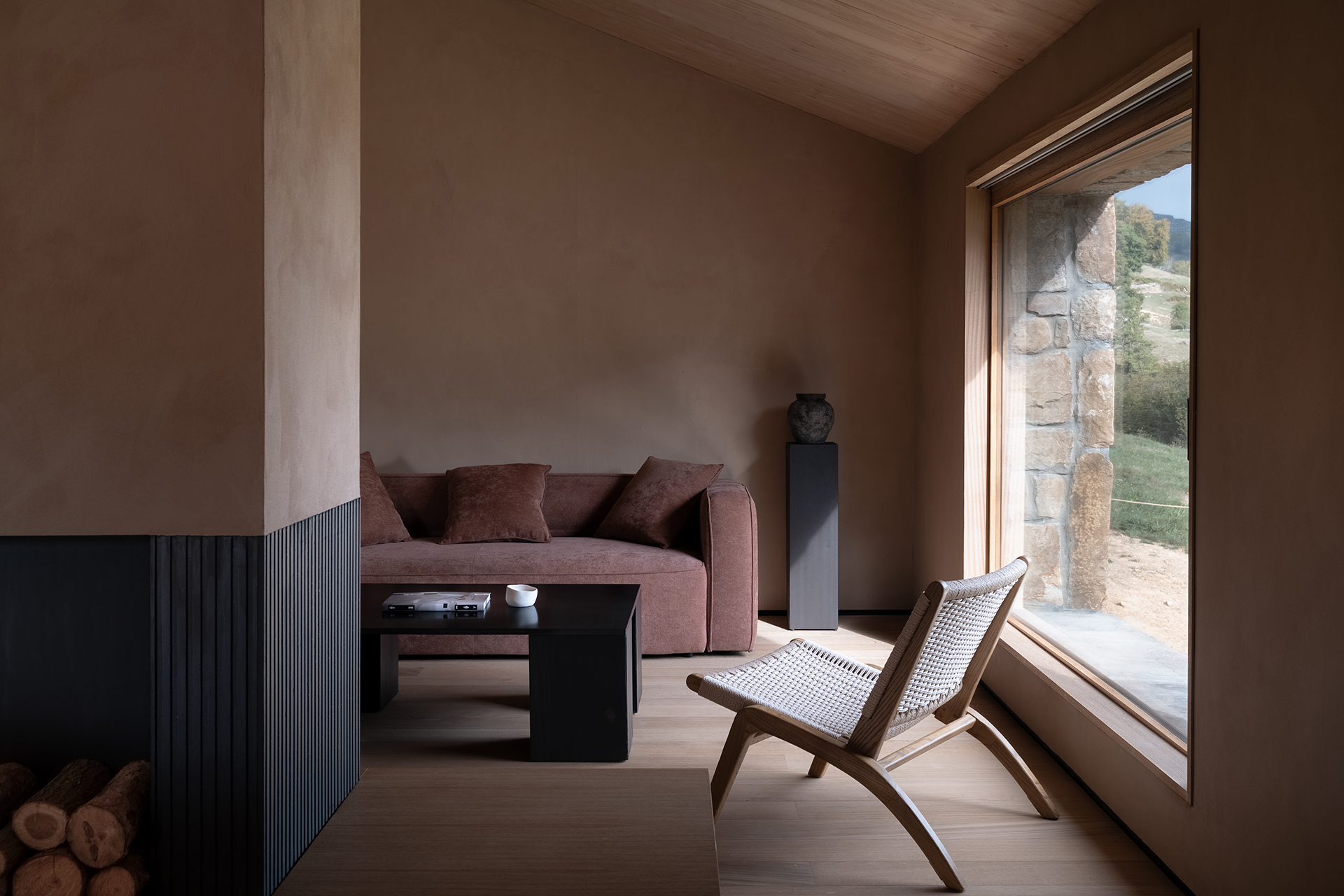
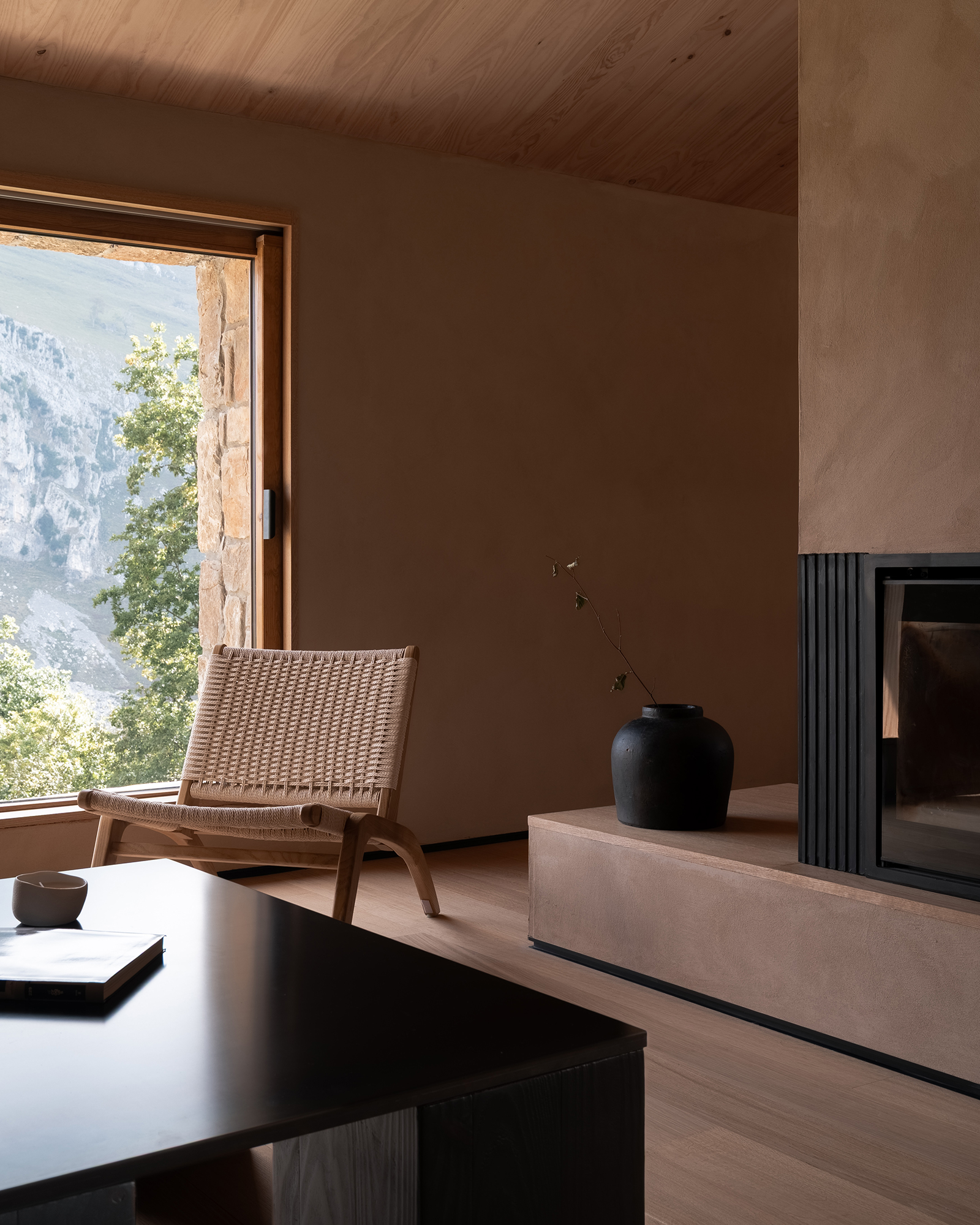
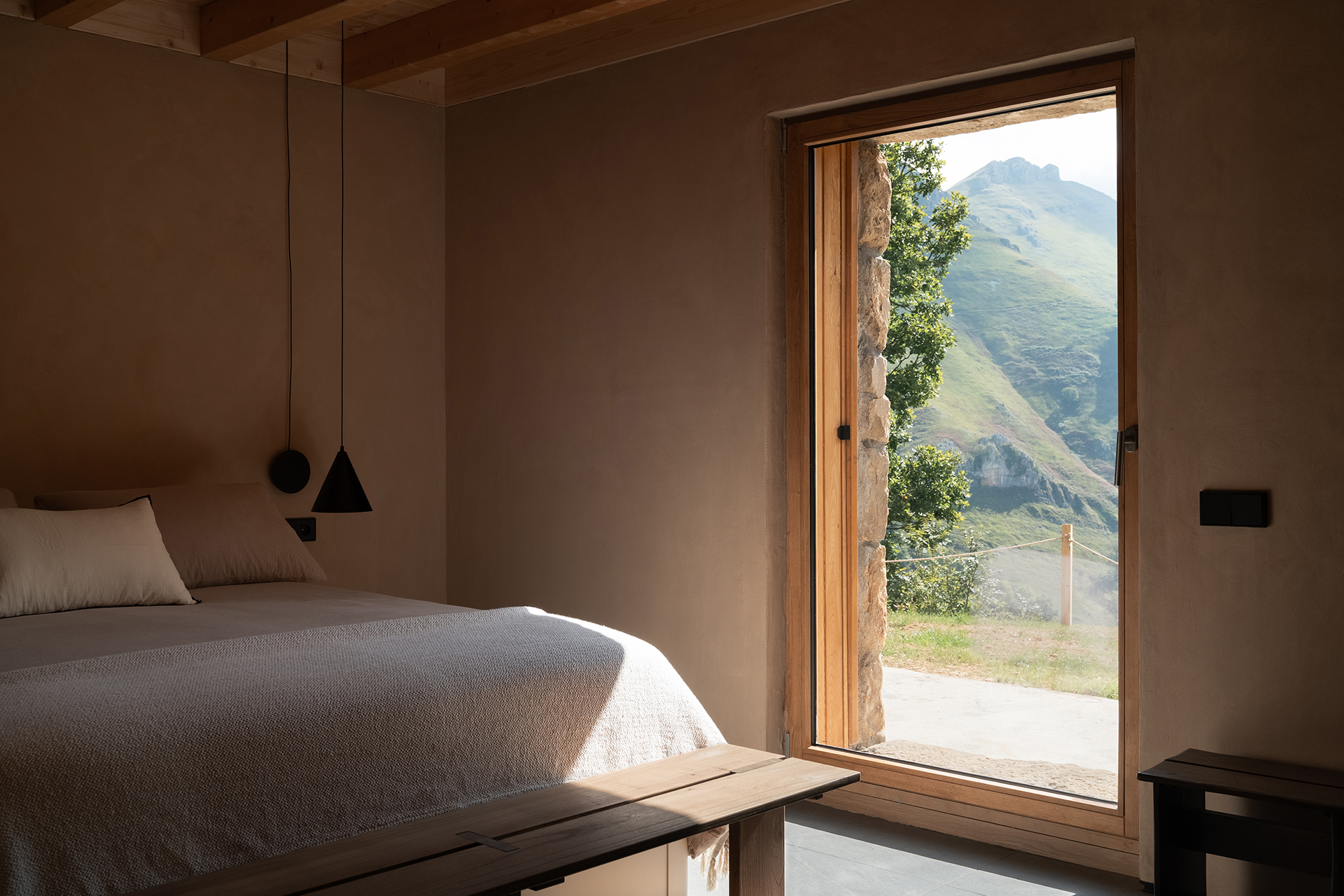
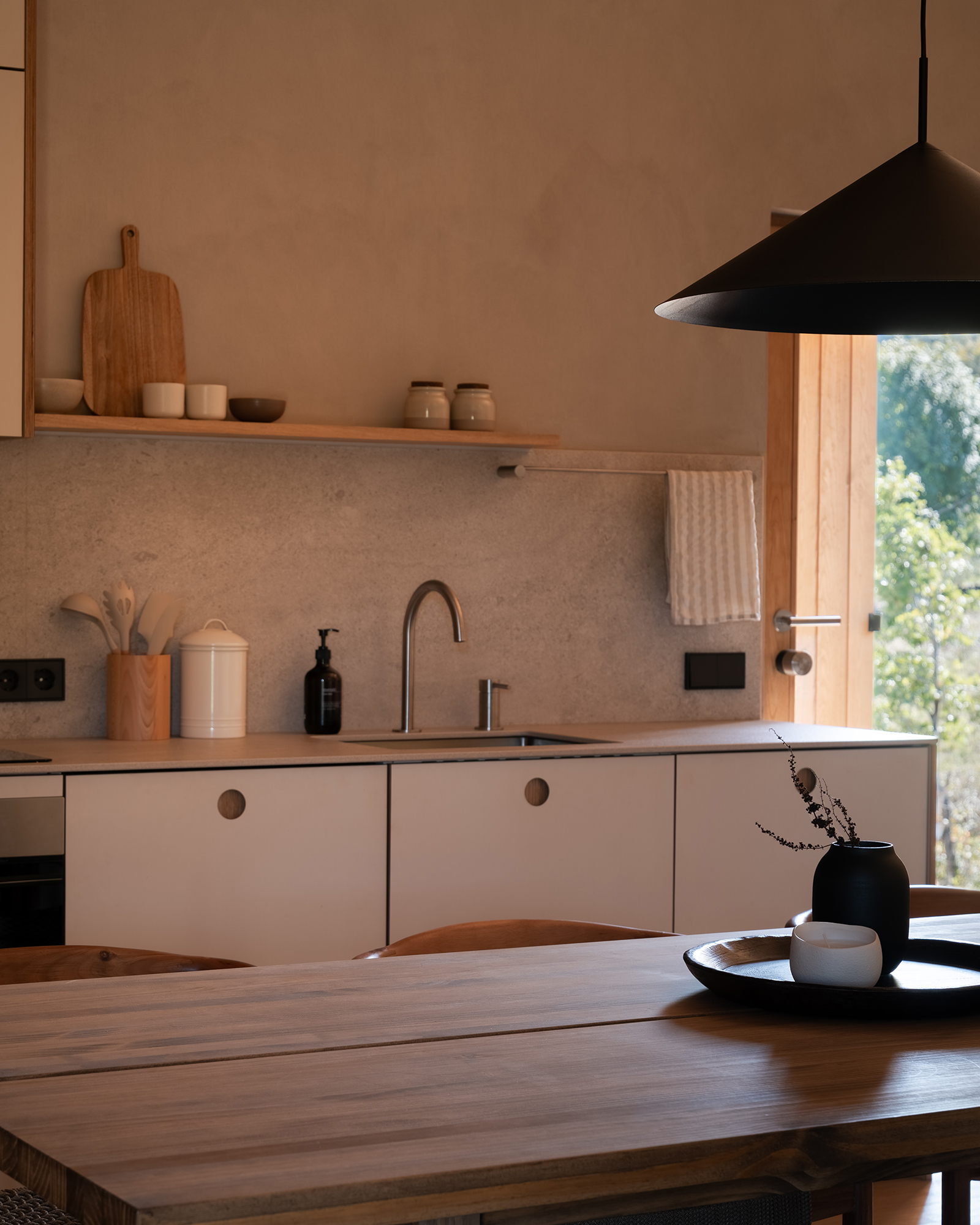
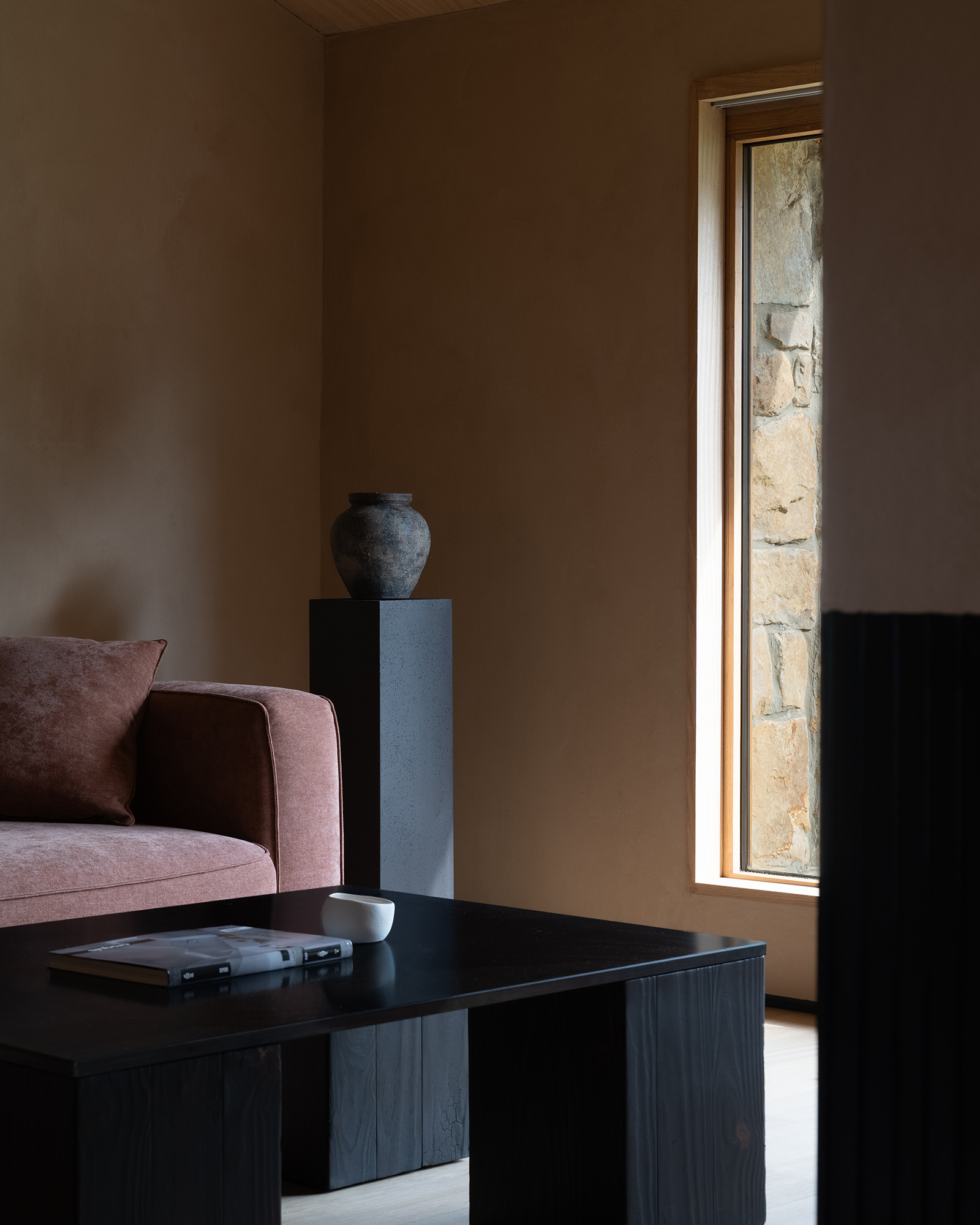
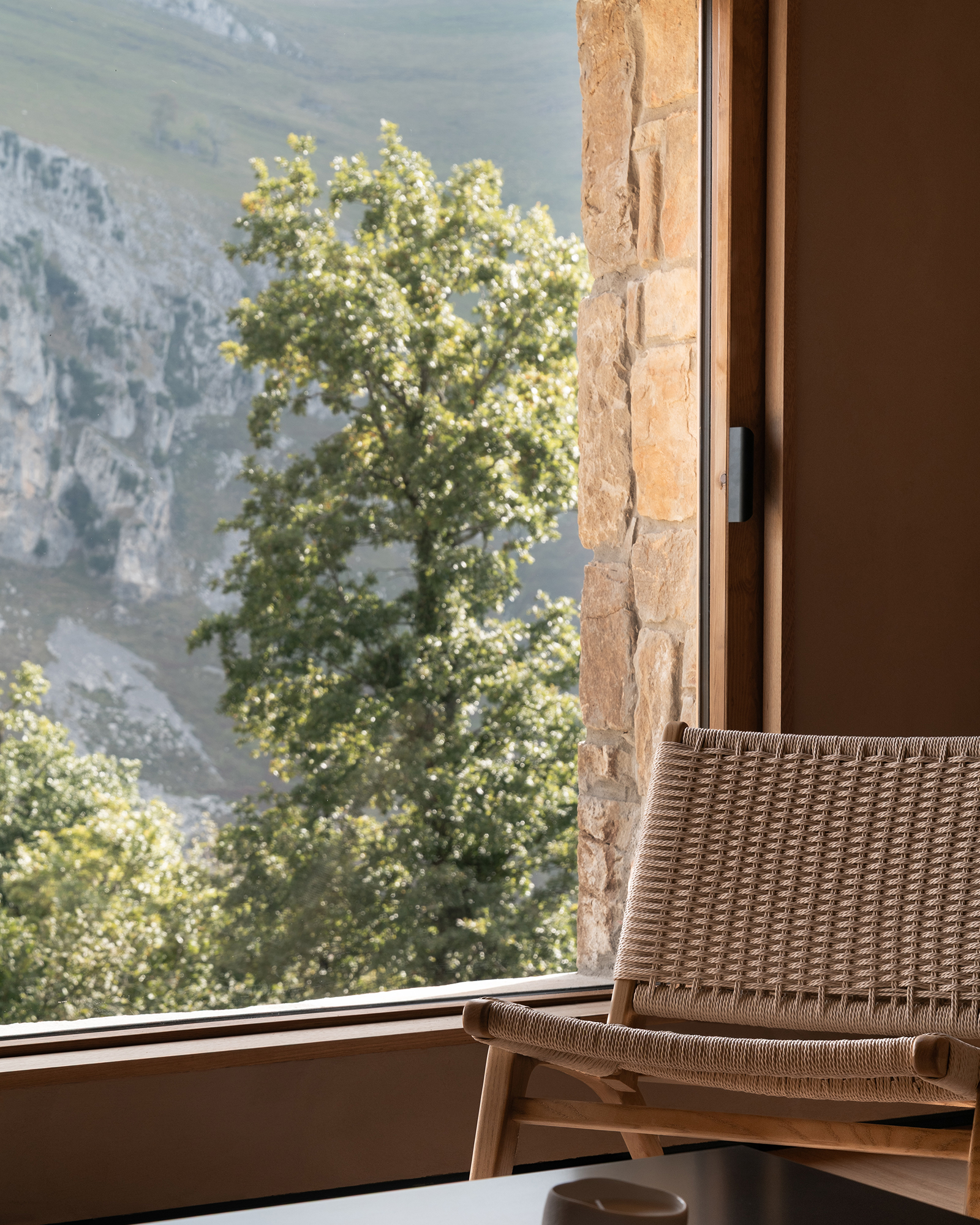
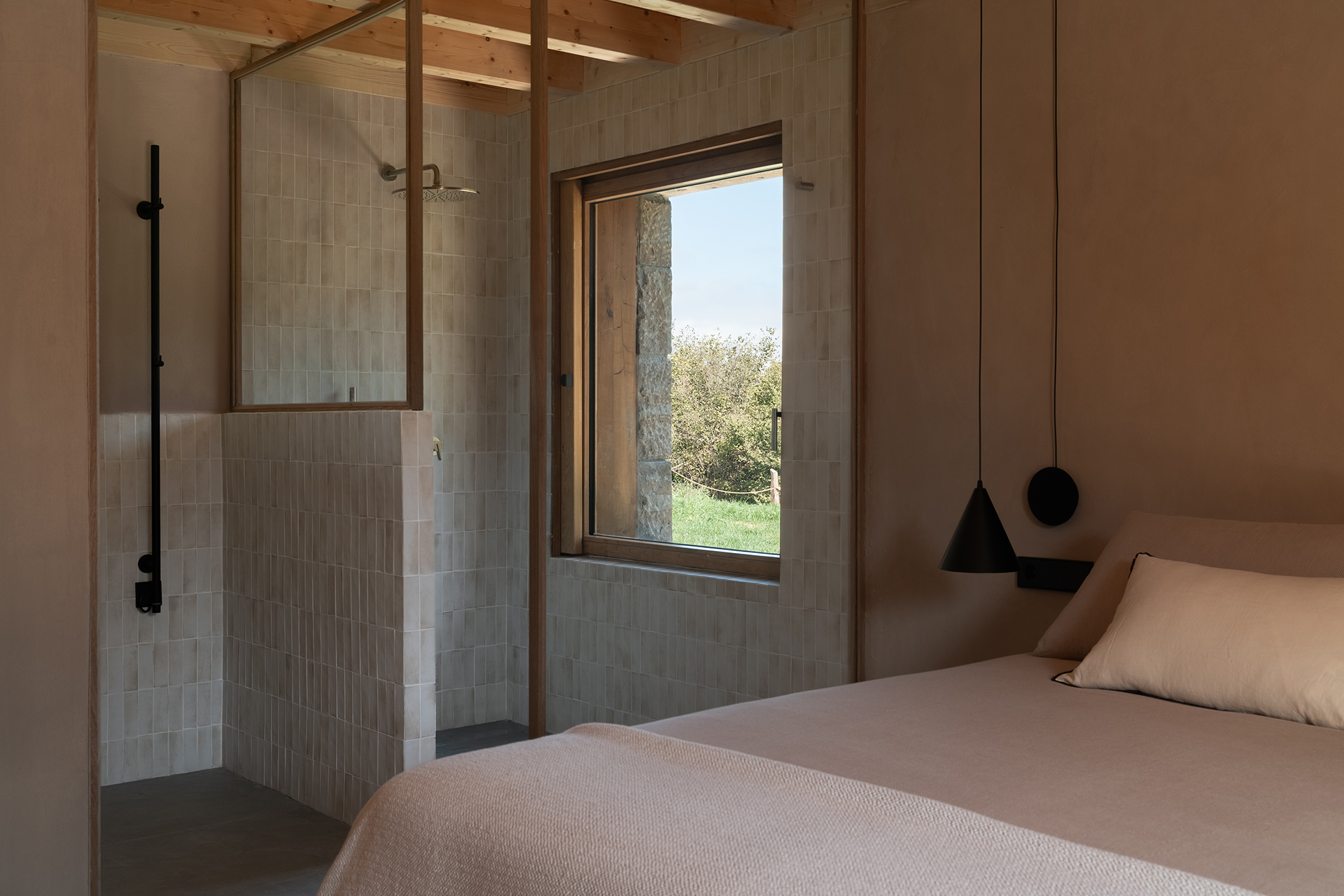
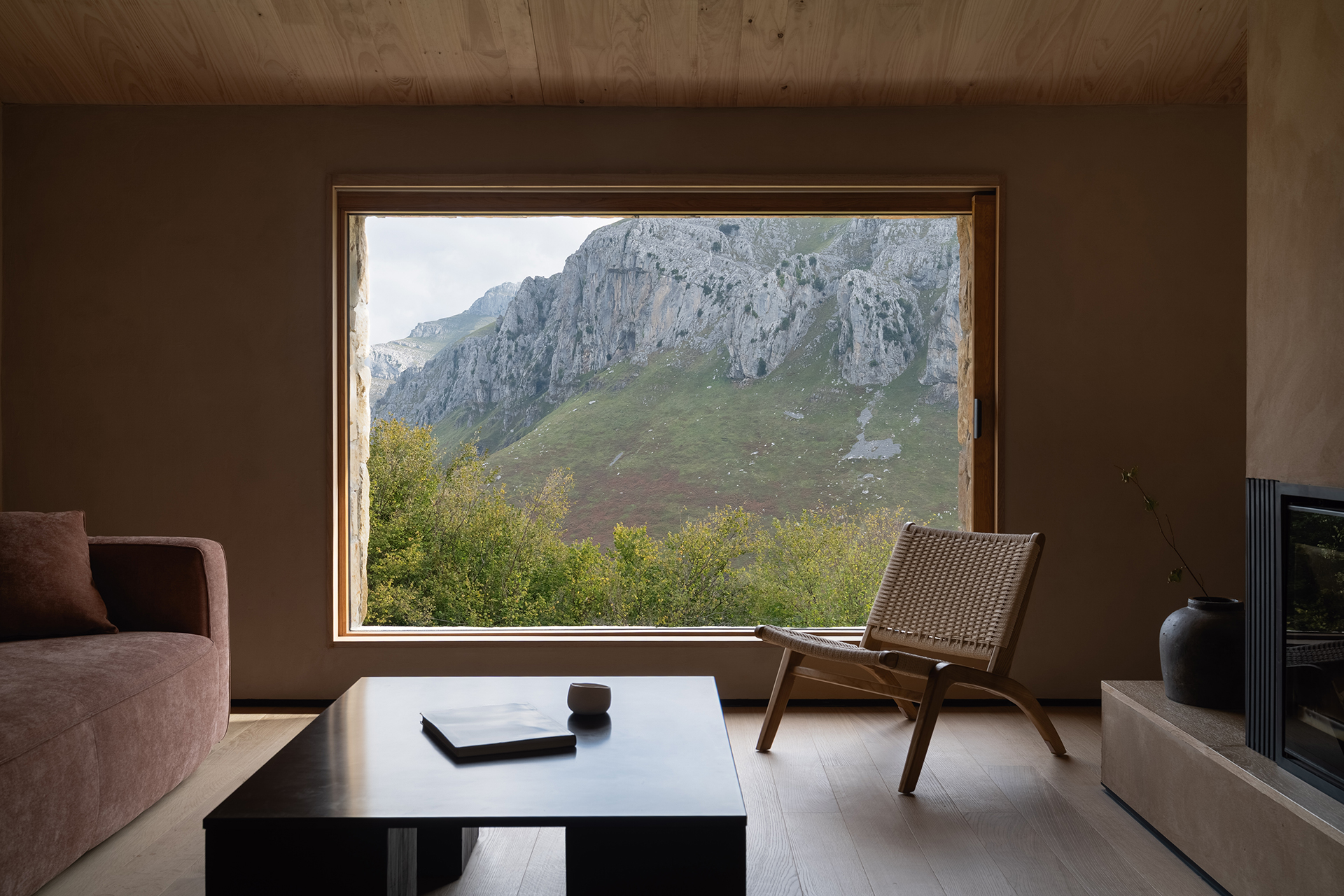
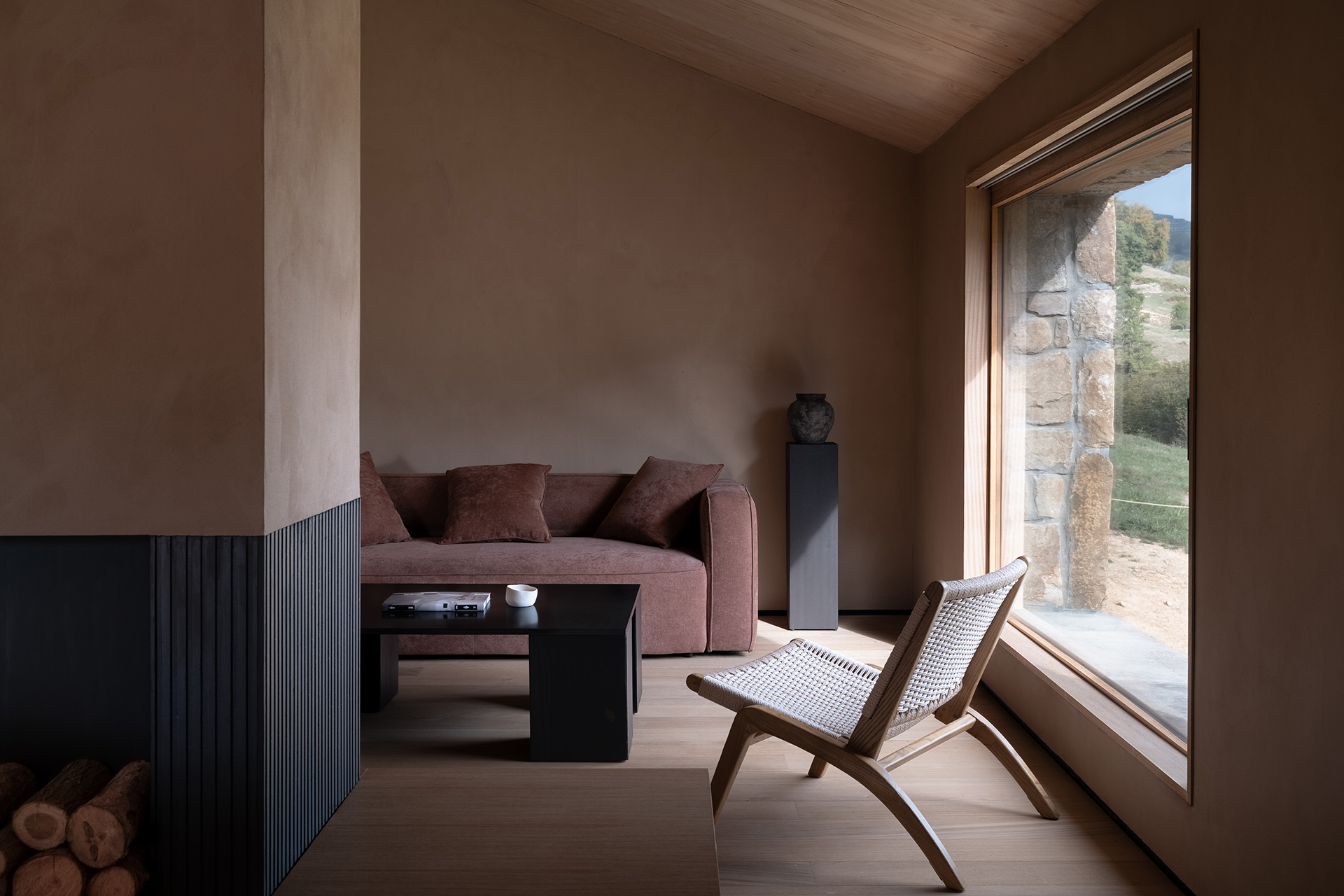
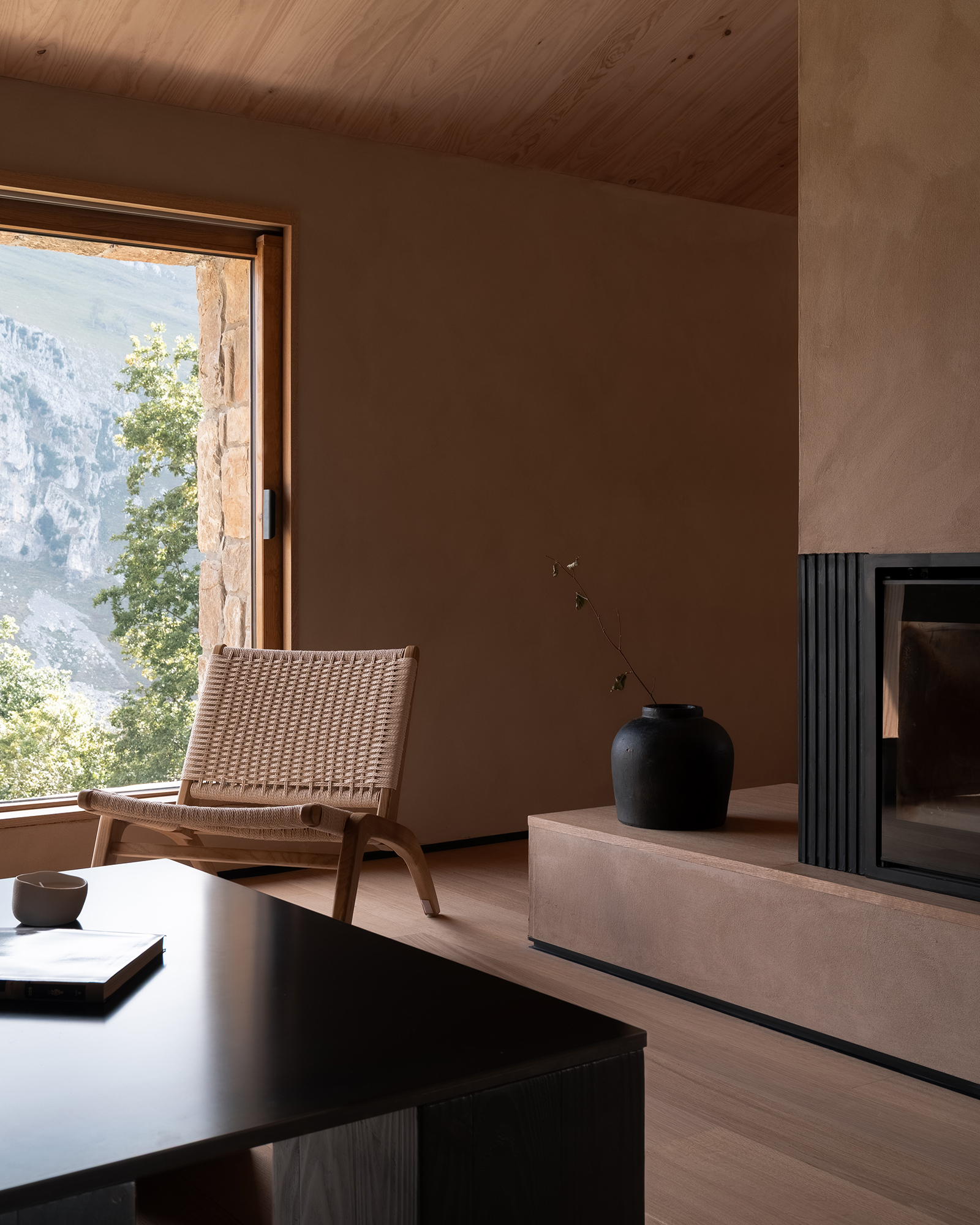
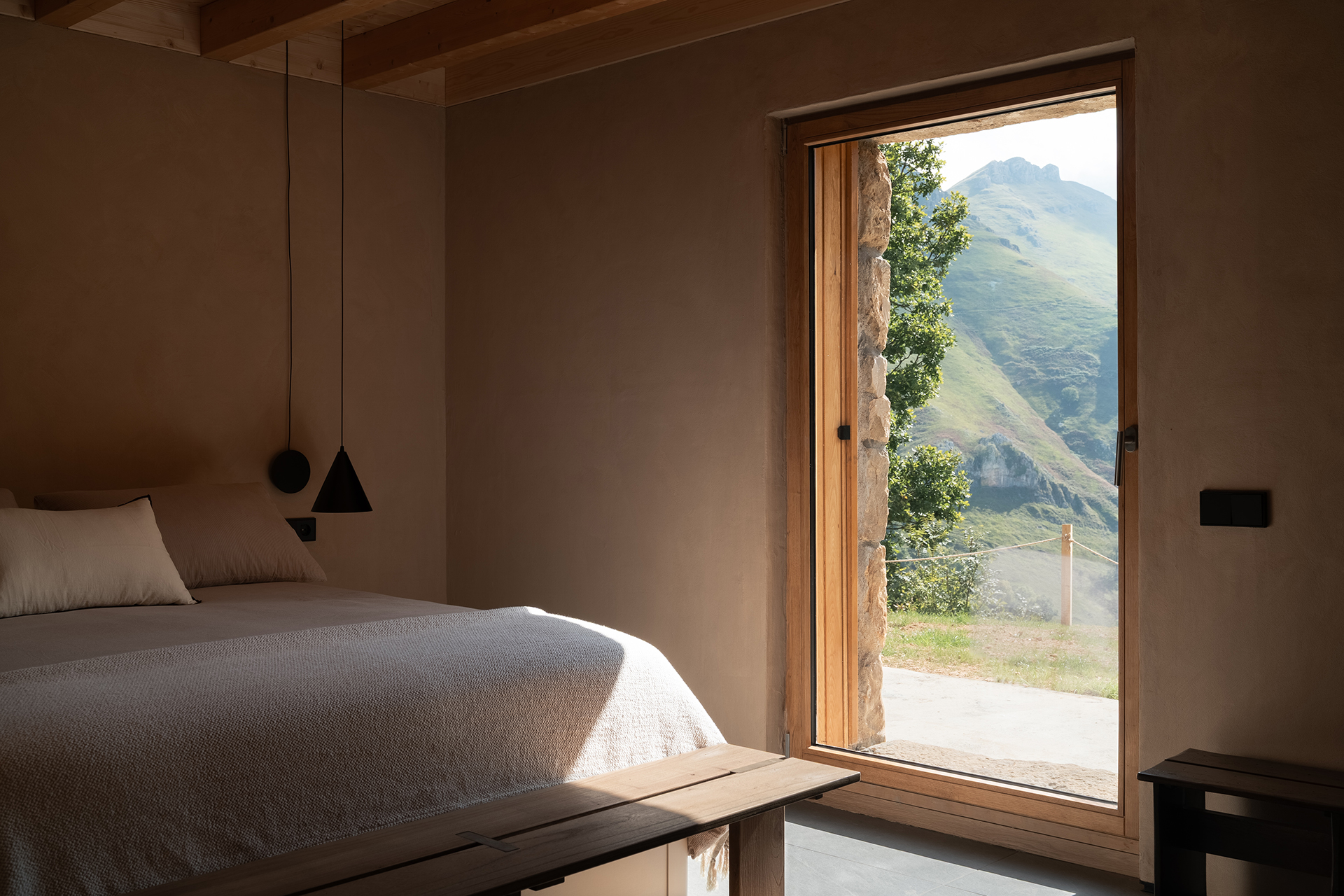
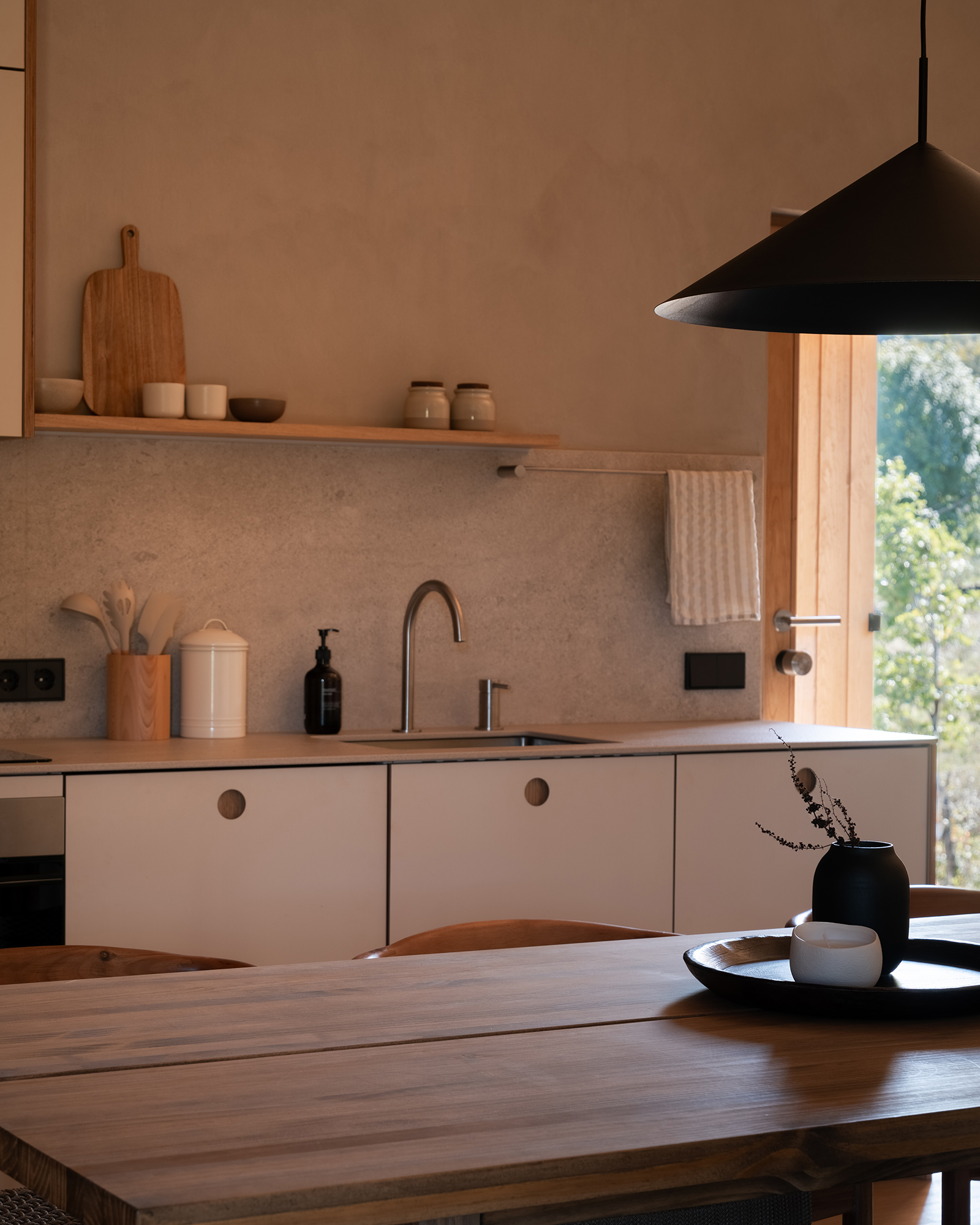
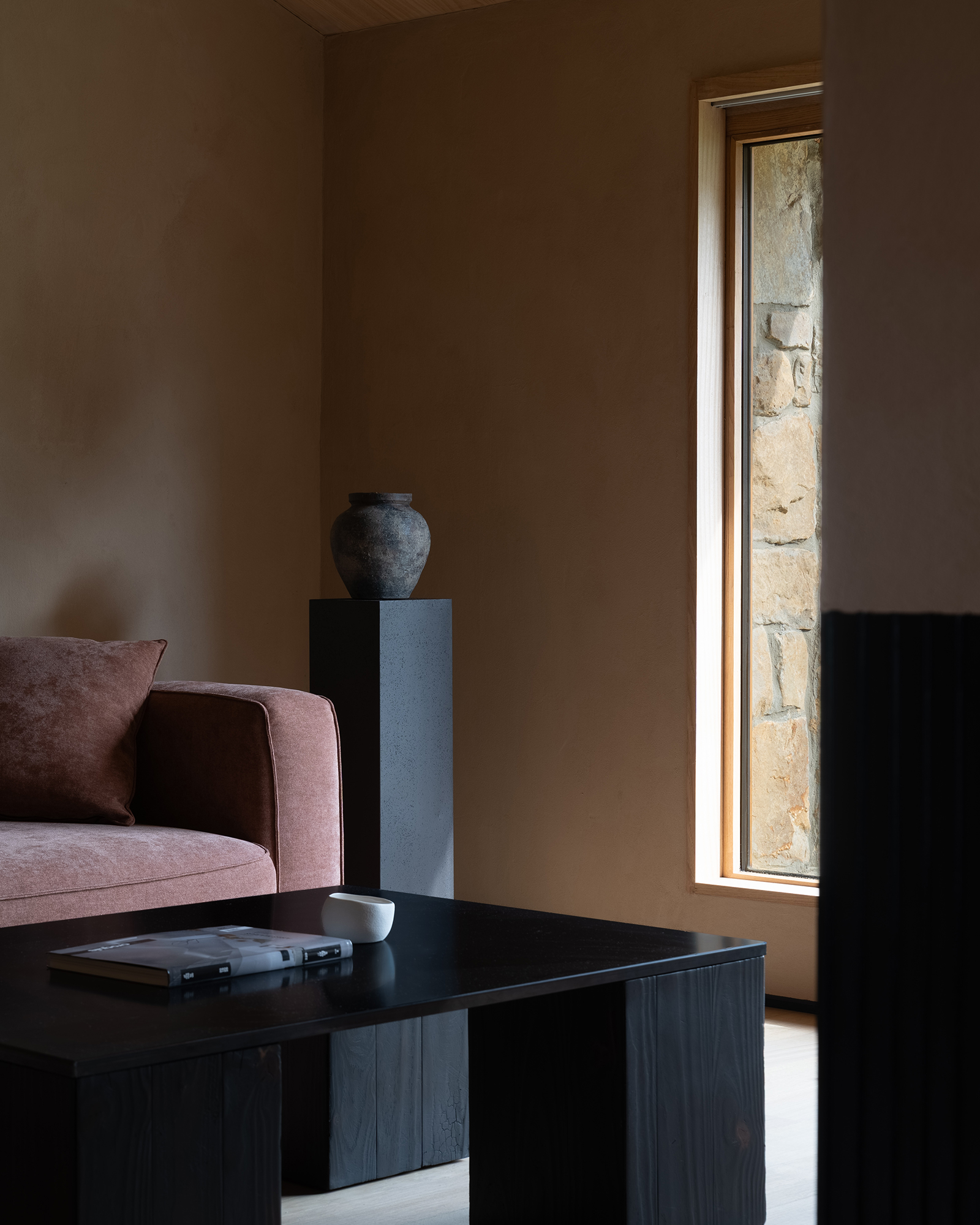
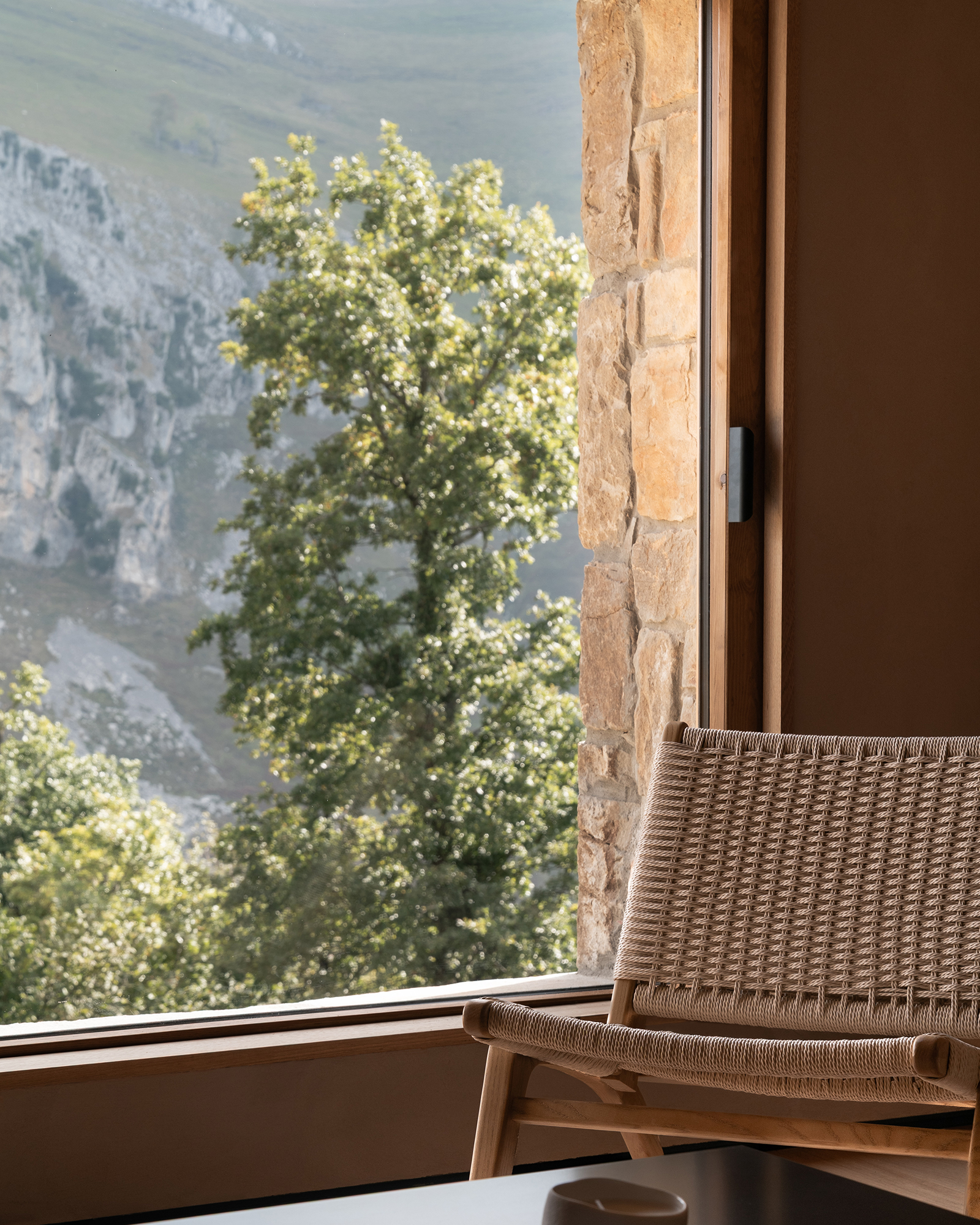
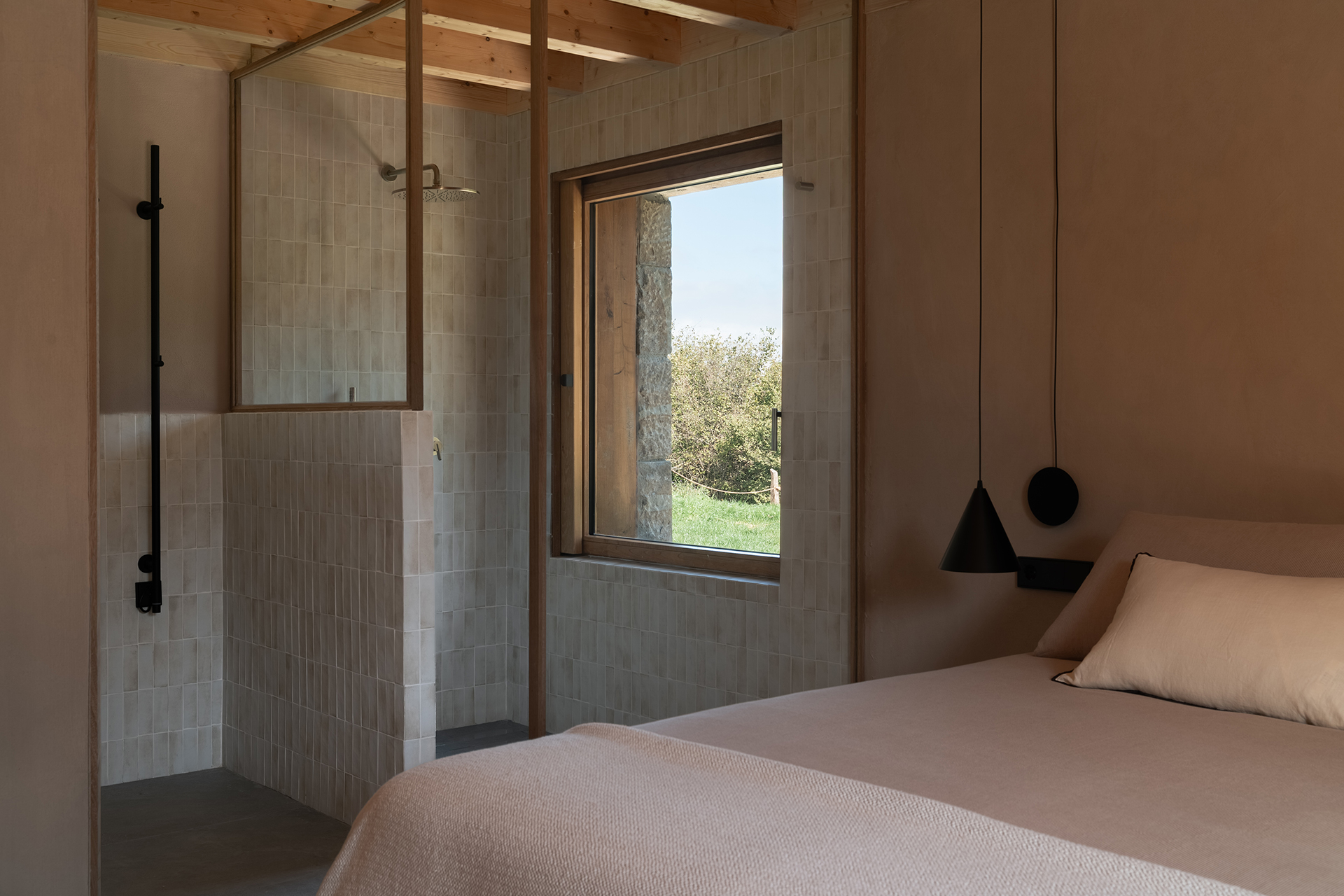
Shoes come off at the door, the floors are warmed by a low, steady underfloor system, there’s a basket of wood by the fireplace, and a long window looks out onto the mountains. Cows, horses or goats are often grazing in the meadow outside, so there’s always something to watch. The kitchen is equipped for the cheese, sobaos, and quesadillas pasiegas you’ll have picked up in the valley, and when the weather clears, the meadows around the cabin are for walking, cycling, horse riding and, in season, mushroom picking.
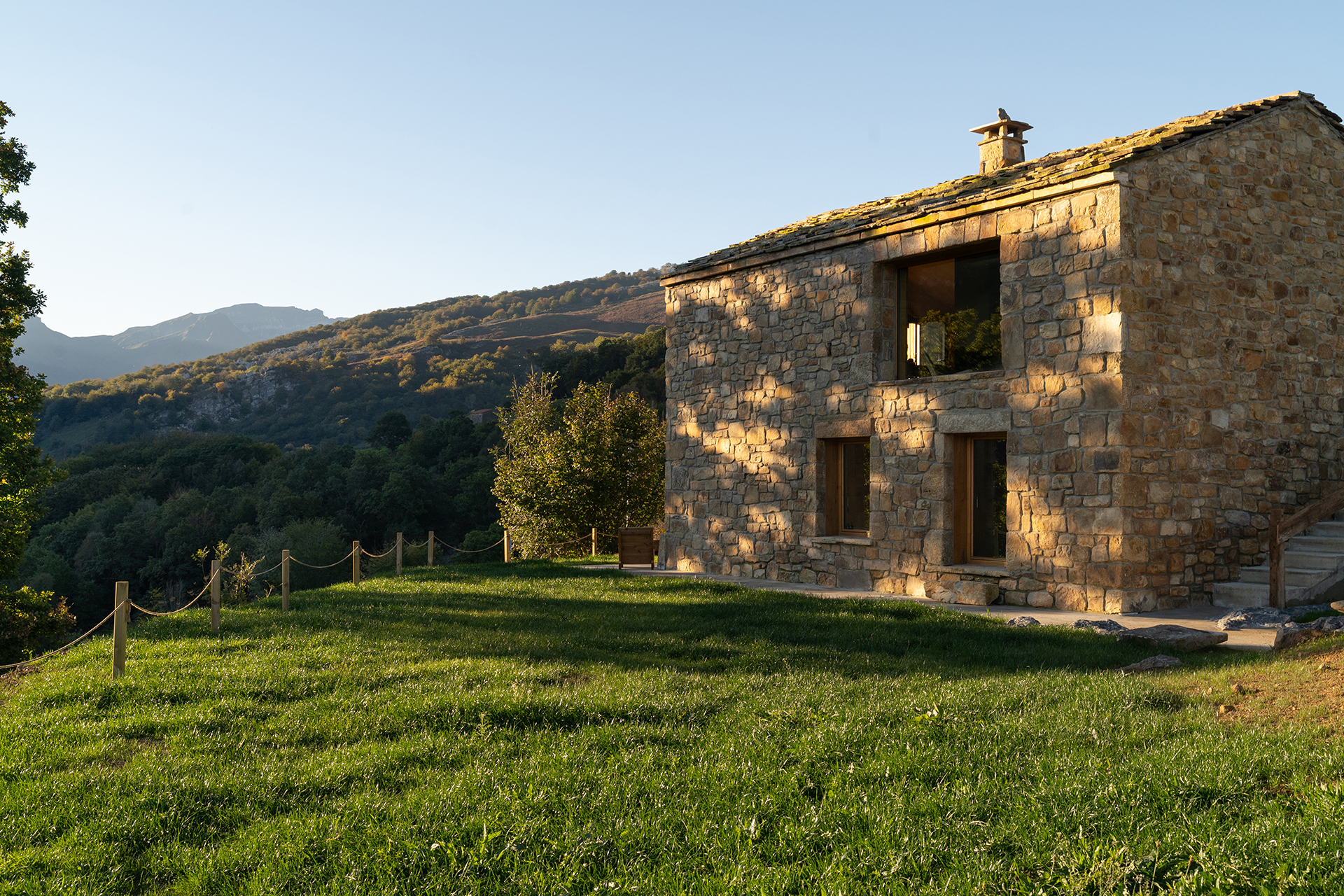
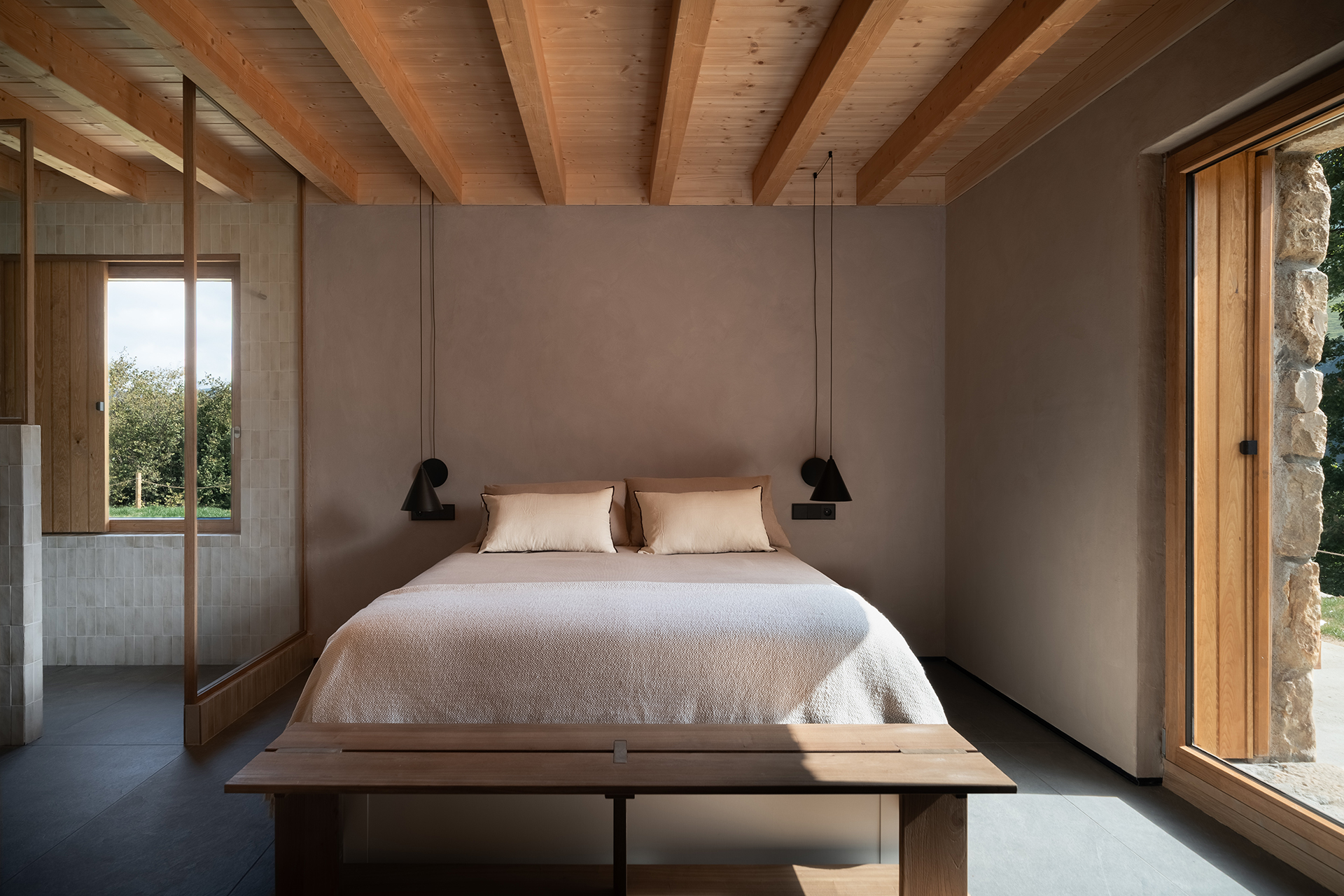
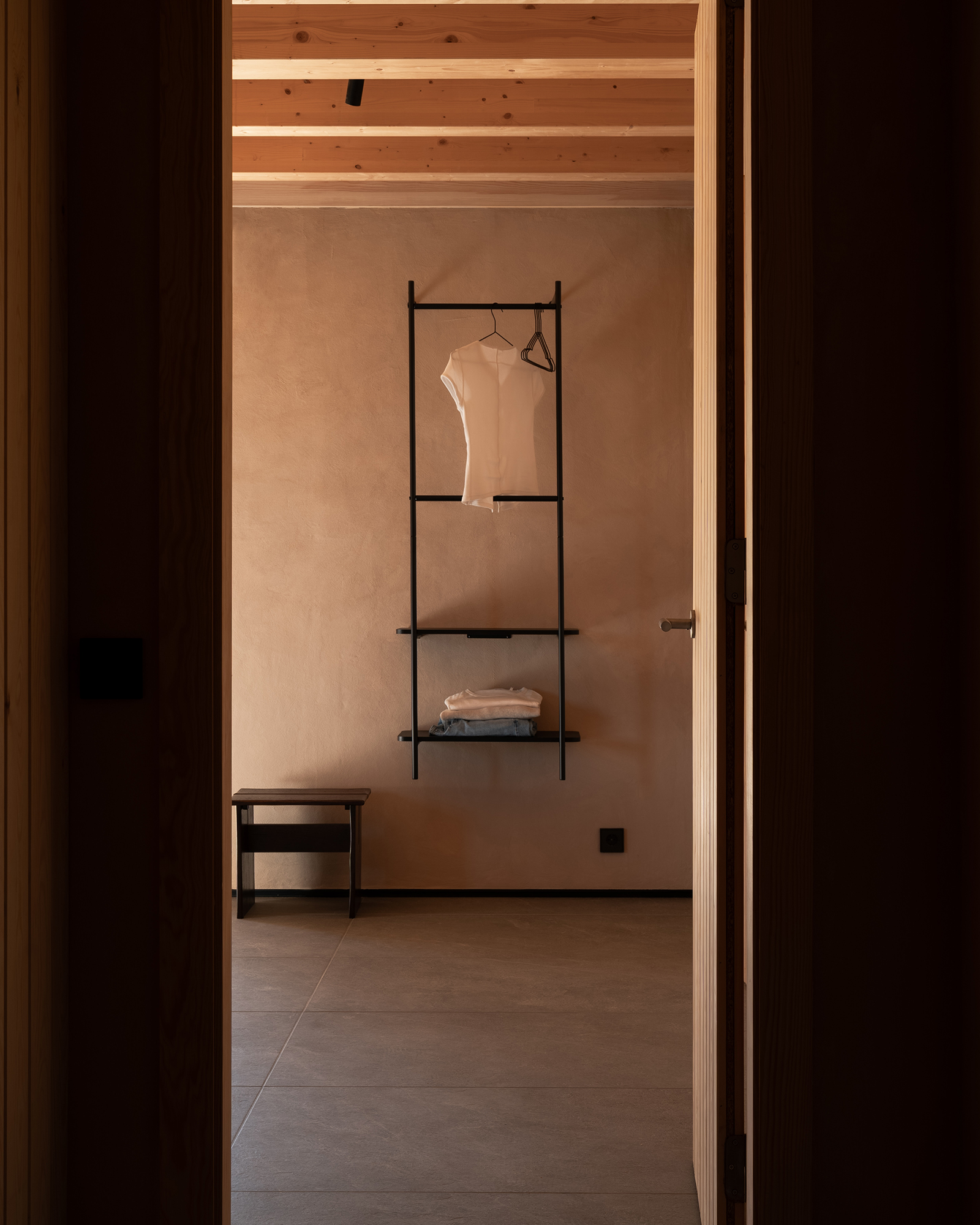
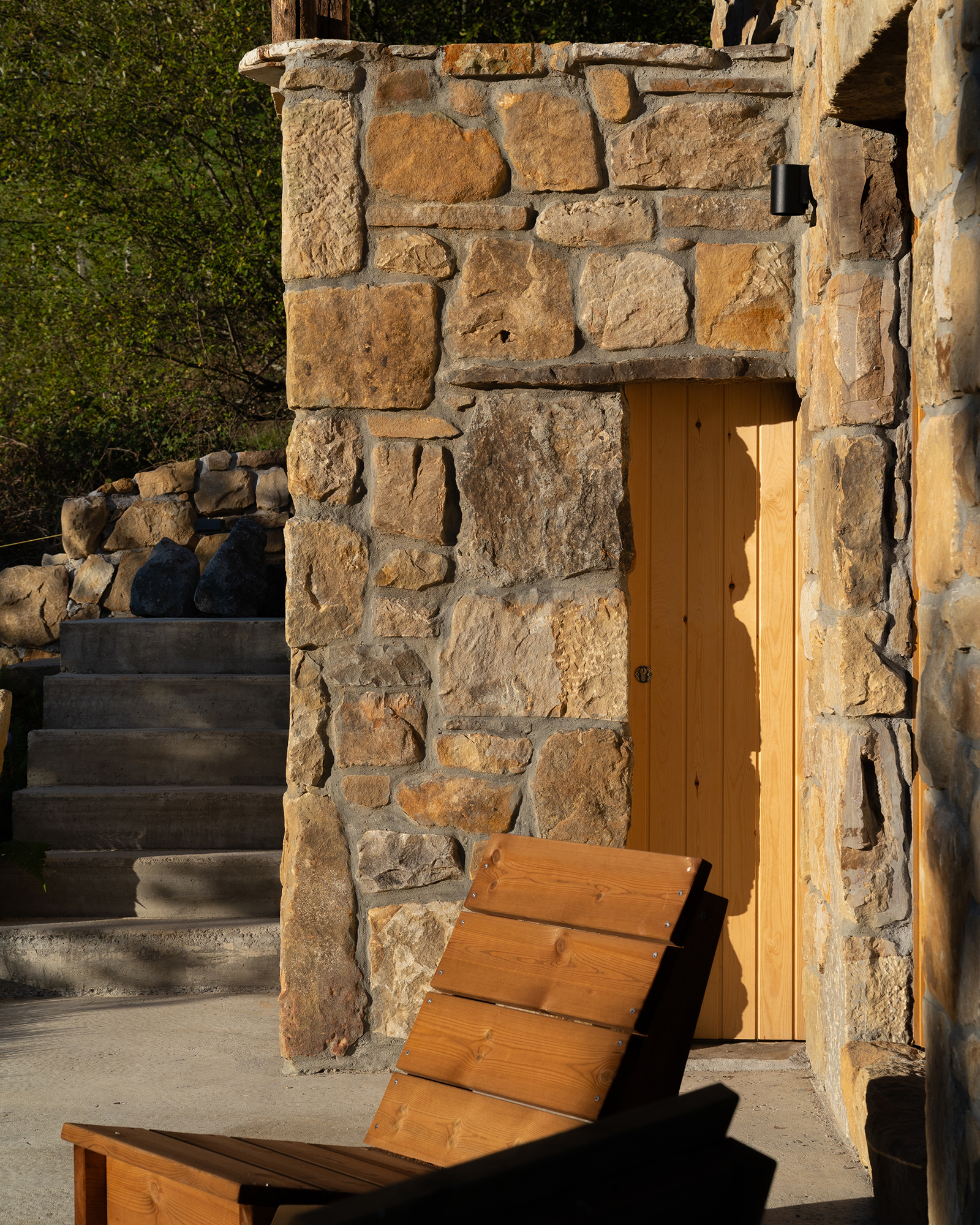
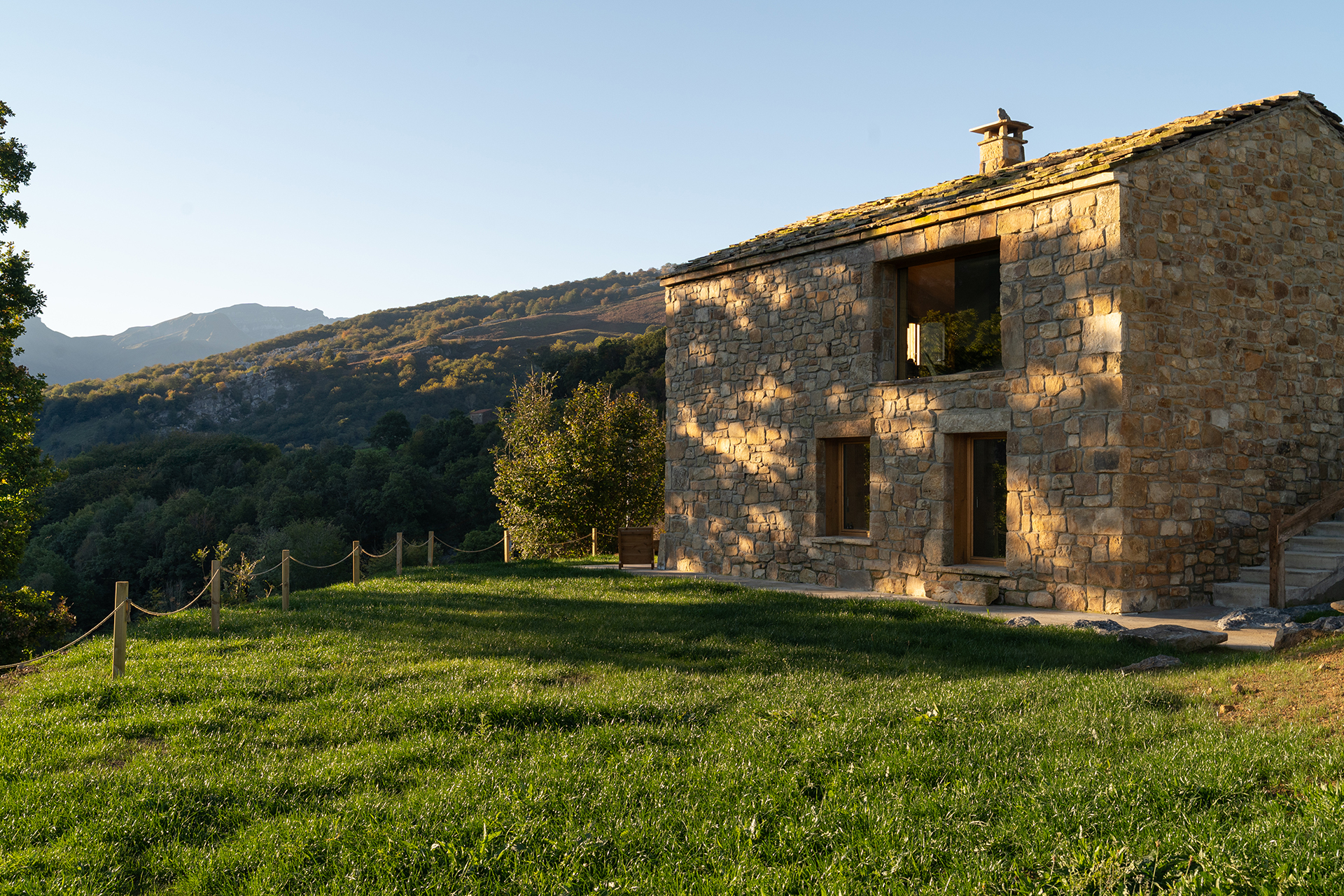
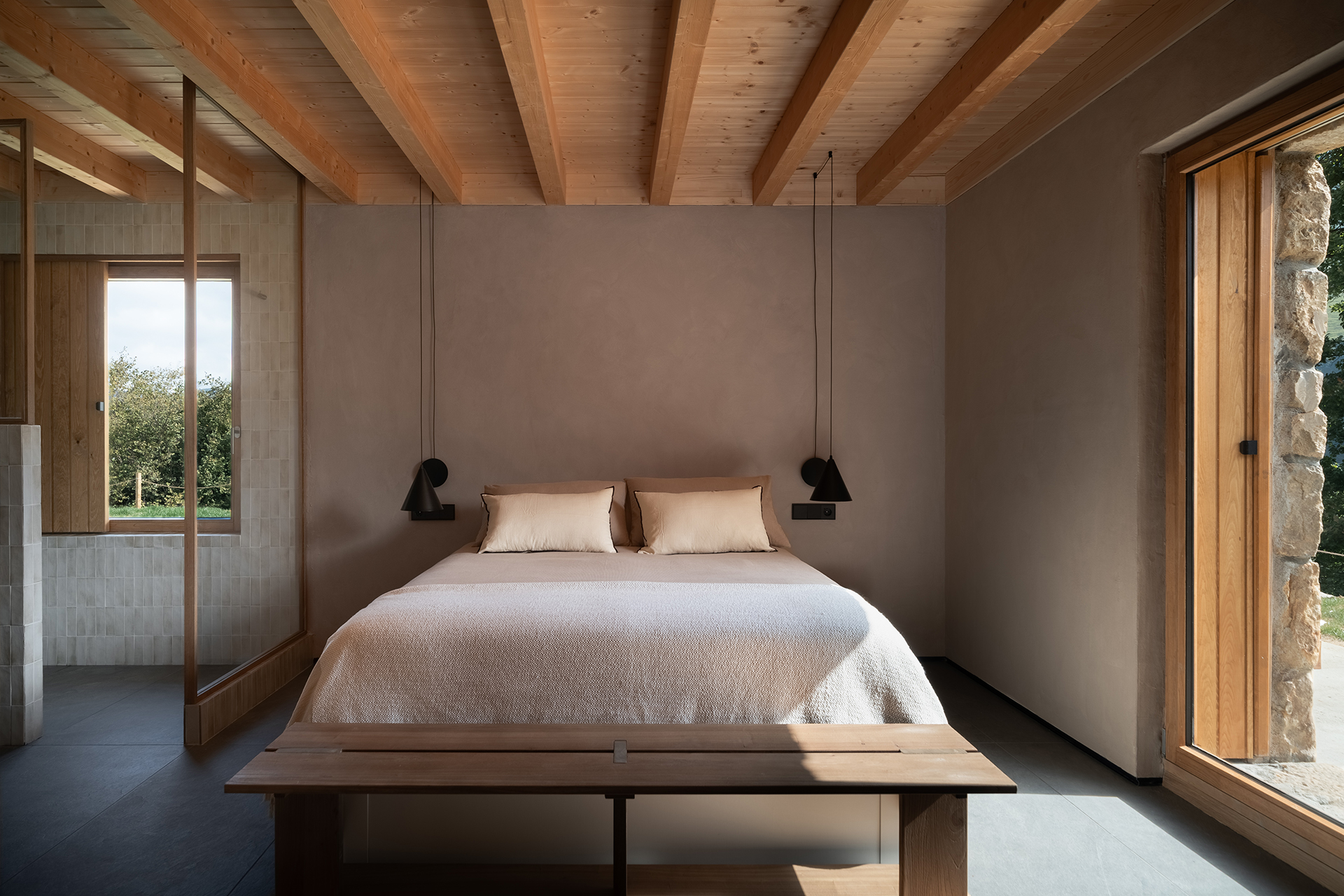
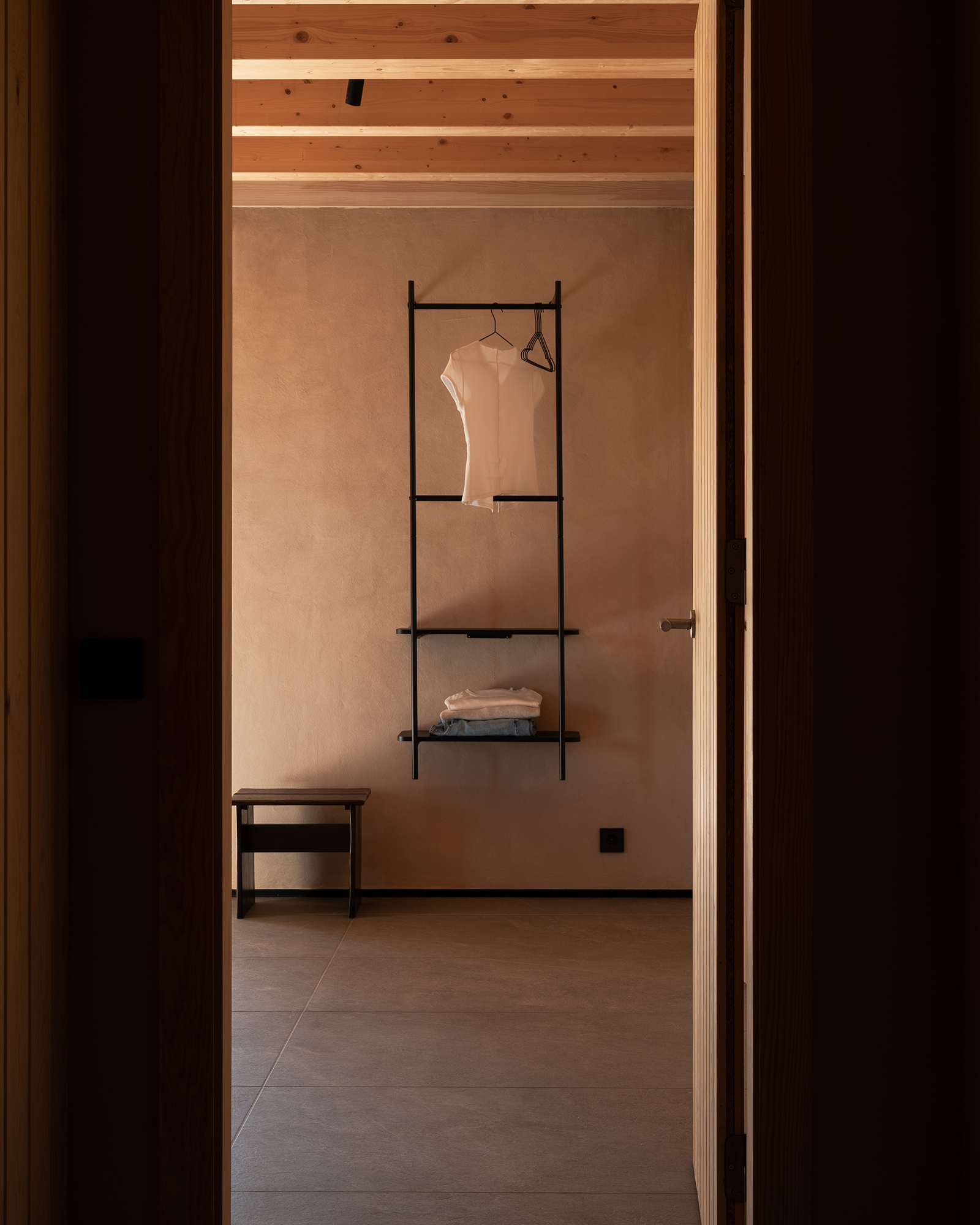
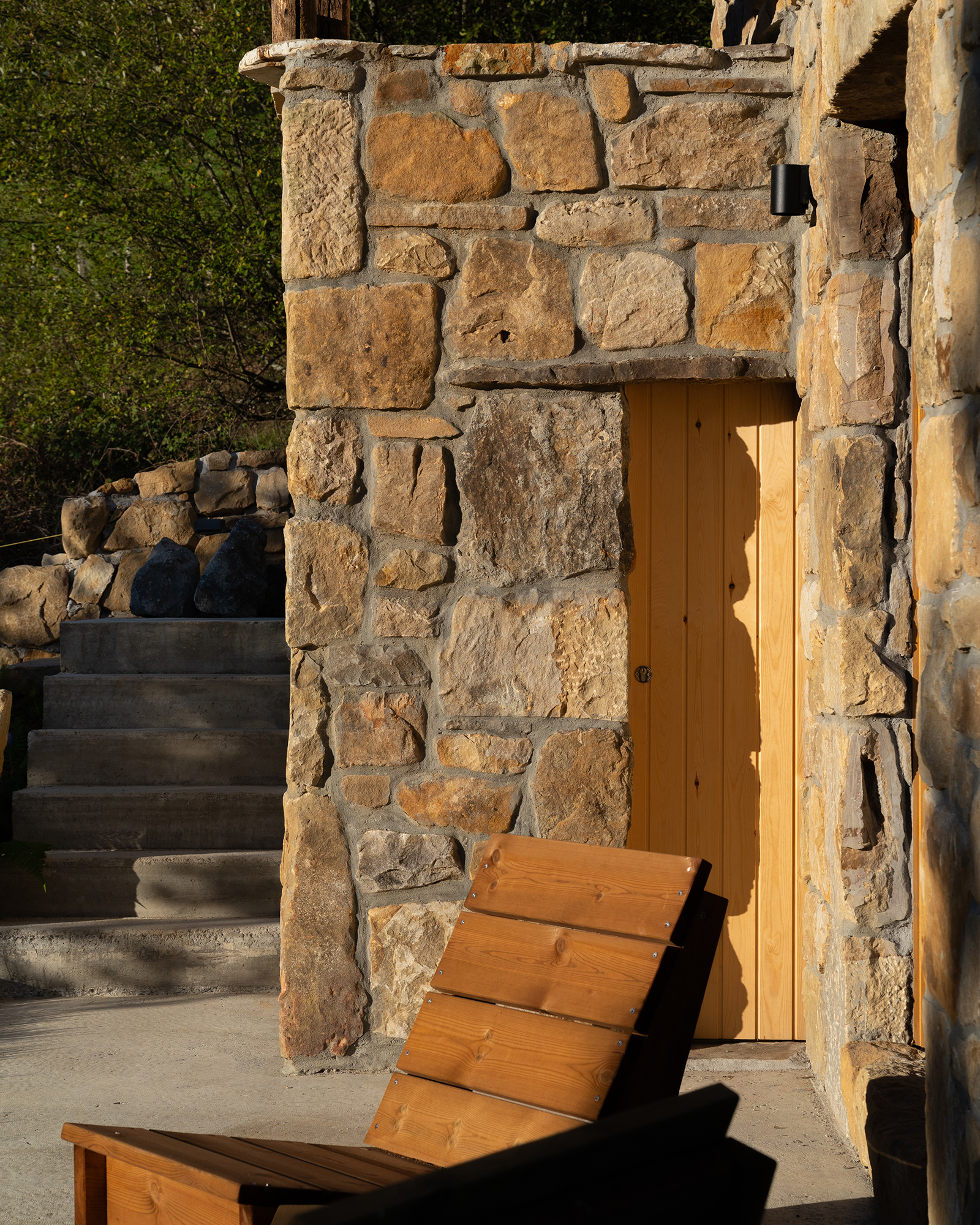
Architect Sara Acebes Anta, who runs her own studio in Madrid and owns Brena with her partner, kept the stone facades and the stone-slab roof and rebuilt everything beneath them. The roof structure is cross-laminated timber, which the owners say makes Brena the first cabaña pasiega built that way. It replaces the traditional roof beams and lets the rooms read as one clean volume. Her earlier house near Valladolid, Casa Banlusa, was covered by Dezeen in 2022 and was designed on the same bioclimatic principles. At Brena, that means wood-fiber insulation and an air-source heat pump running at low temperature through the floor and, upstairs, the walls.
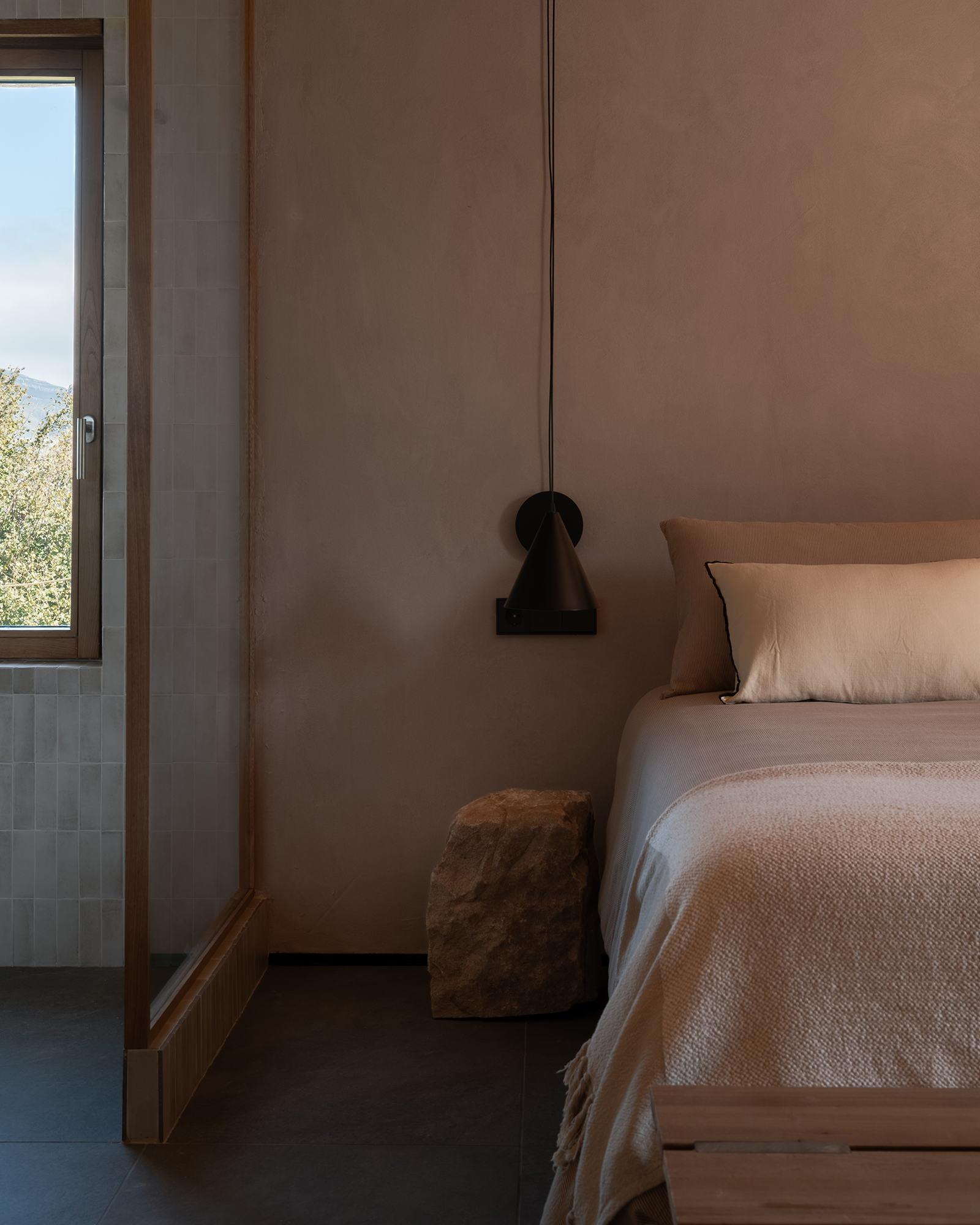
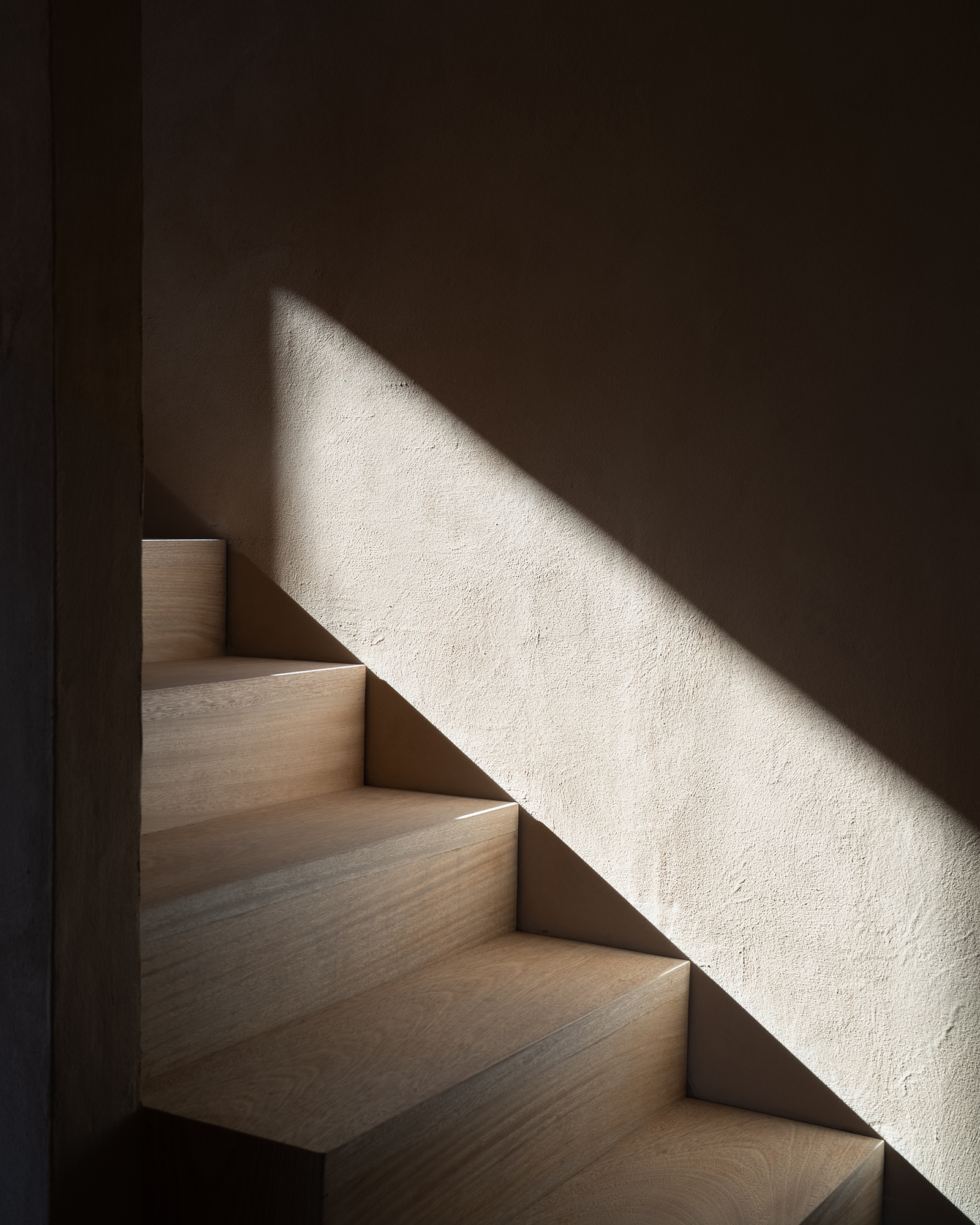
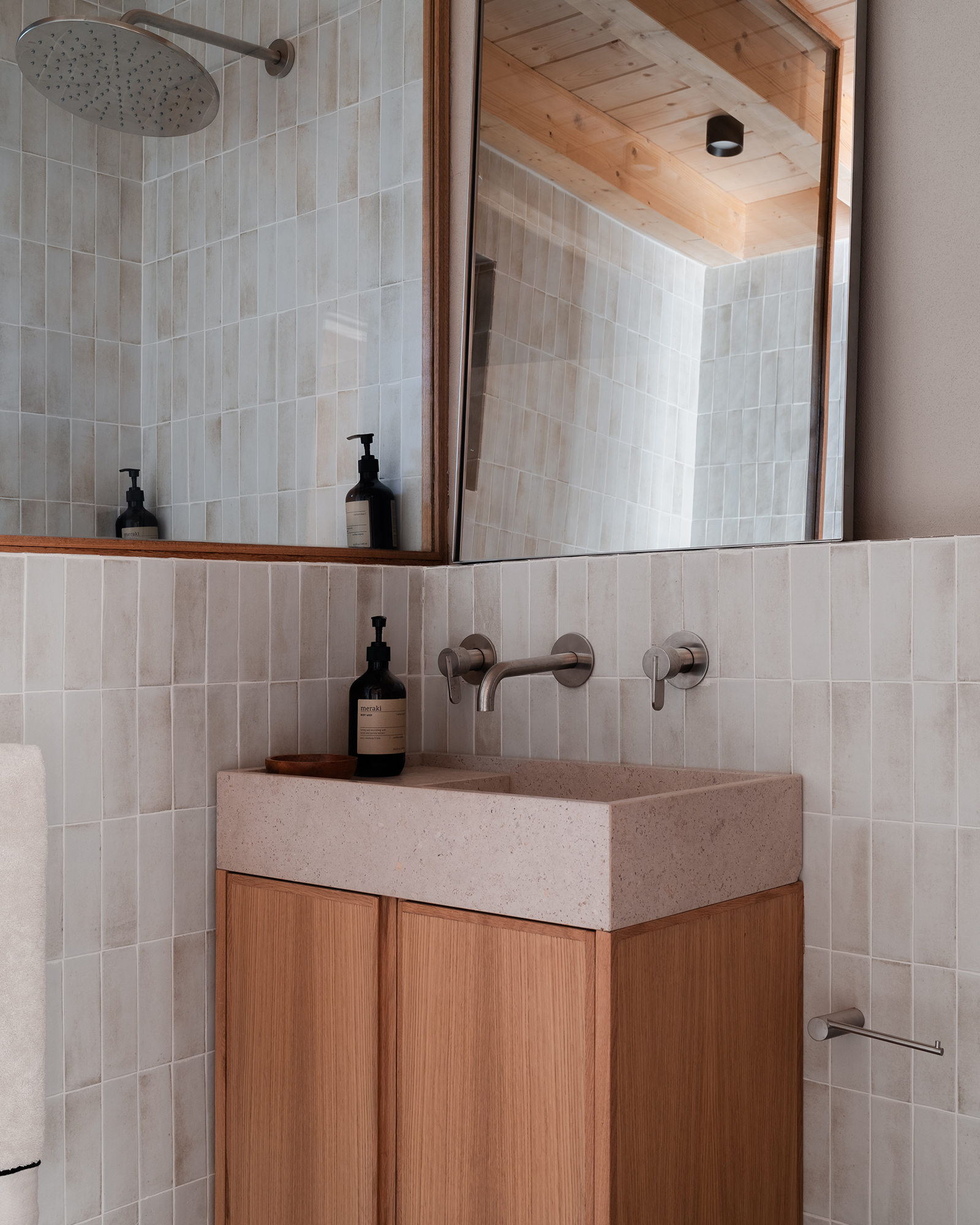
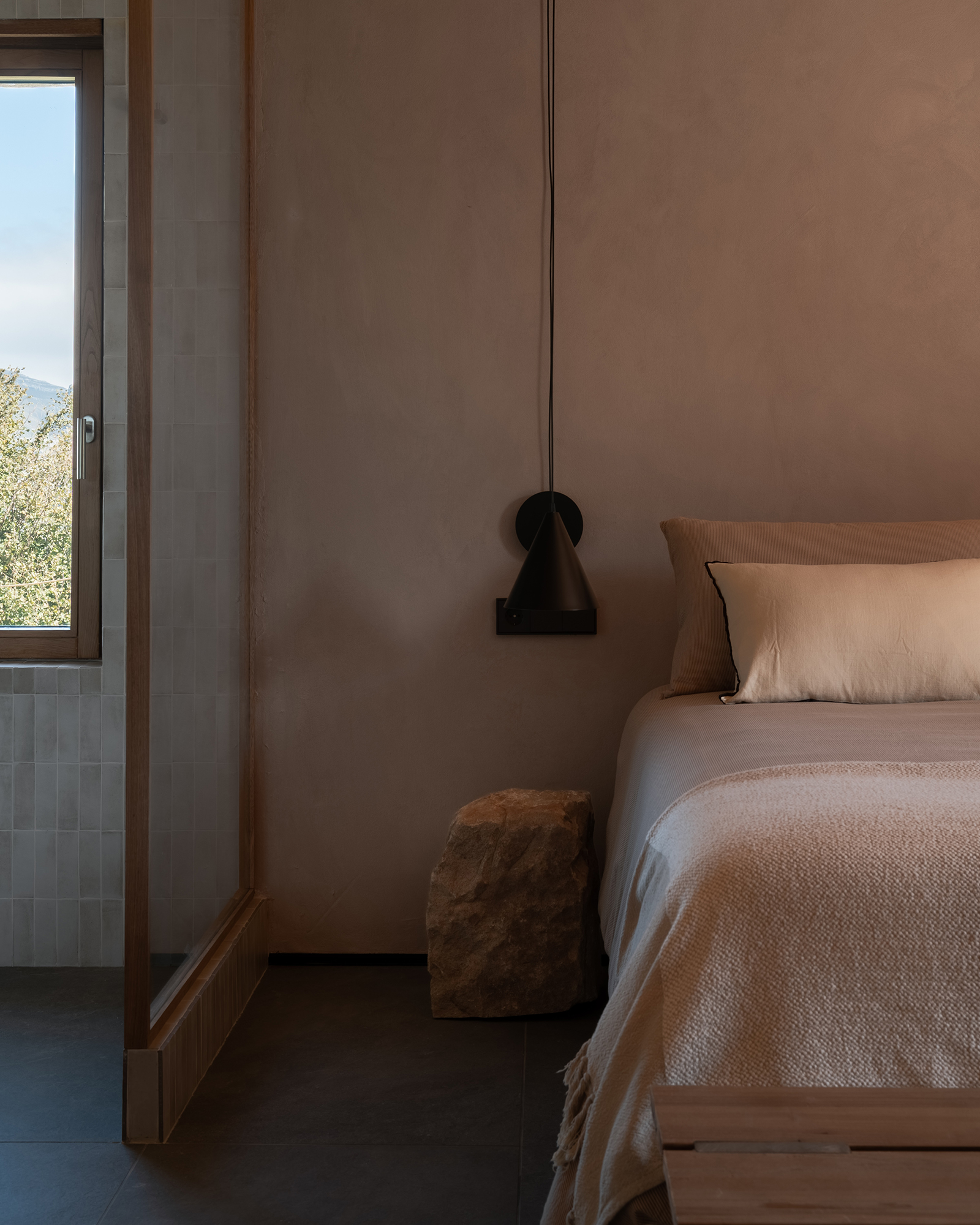
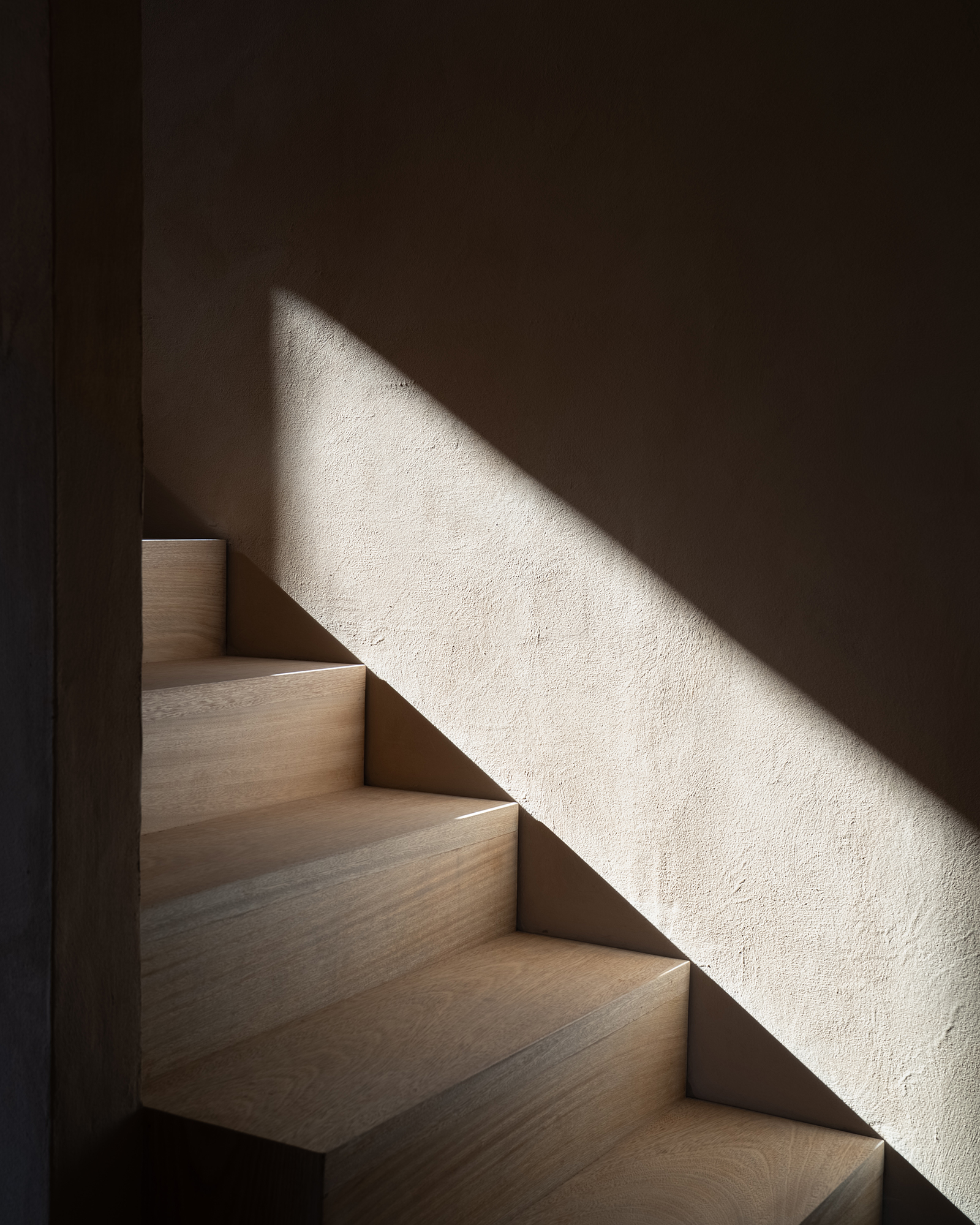
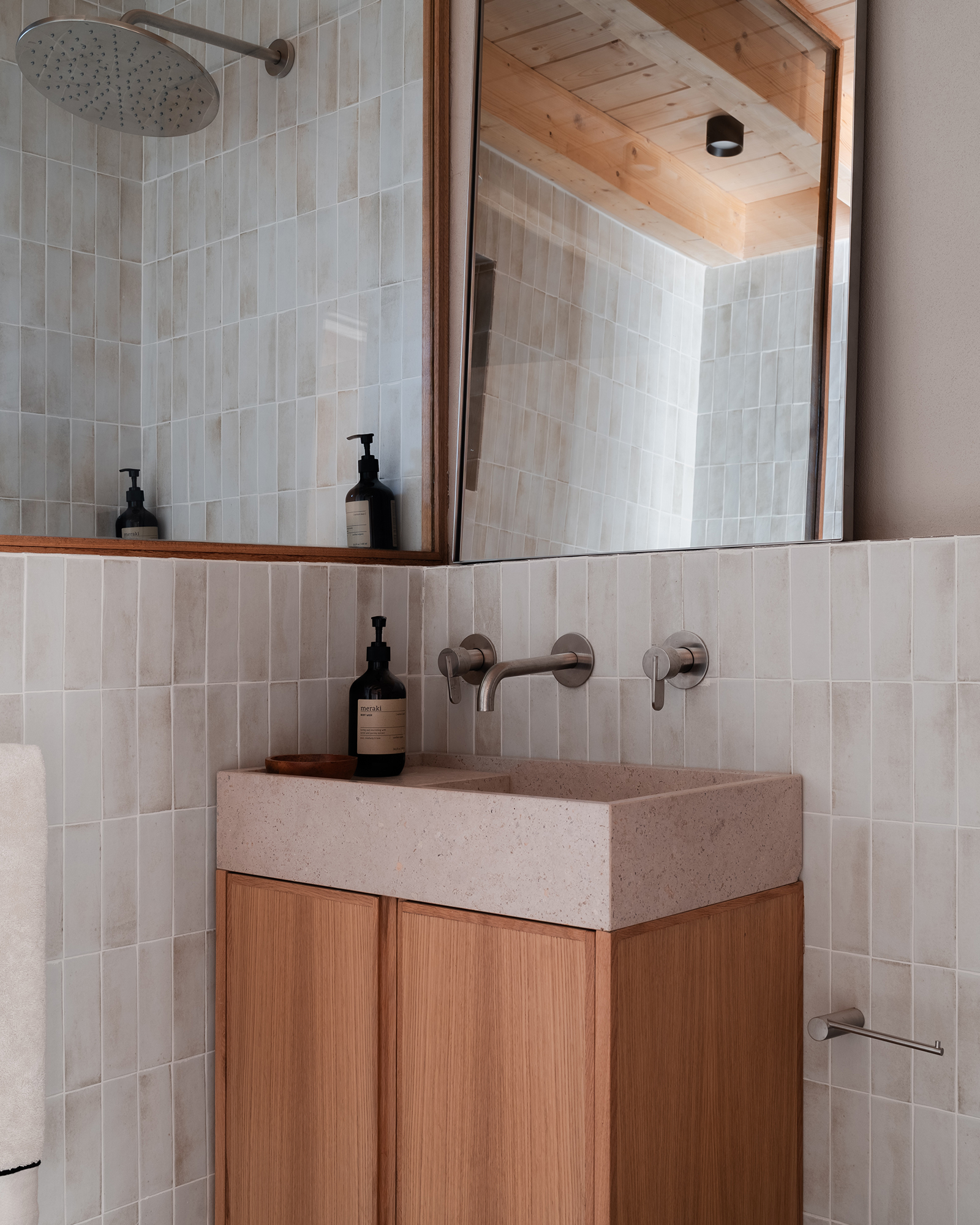
Inside, the finish is deliberately simple. Clay boards line the walls, absorbing and releasing humidity in a valley this damp. The first-floor structure is laminated timber made to echo the beams of a traditional cabaña, and the bathroom basin is Campaspero stone.
Outside, the cabin features a large, fenced-in garden, complete with an outdoor table and chairs. Beyond this area lies additional meadow typically occupied by animals such as horses, cows, or goats. (But it's fenced off, and strictly view only.)
Brena sits in the barrio of La Concha, close to San Roque de Riomiera, in a patchwork of small, irregular fields shaped by generations of farming.
Layout
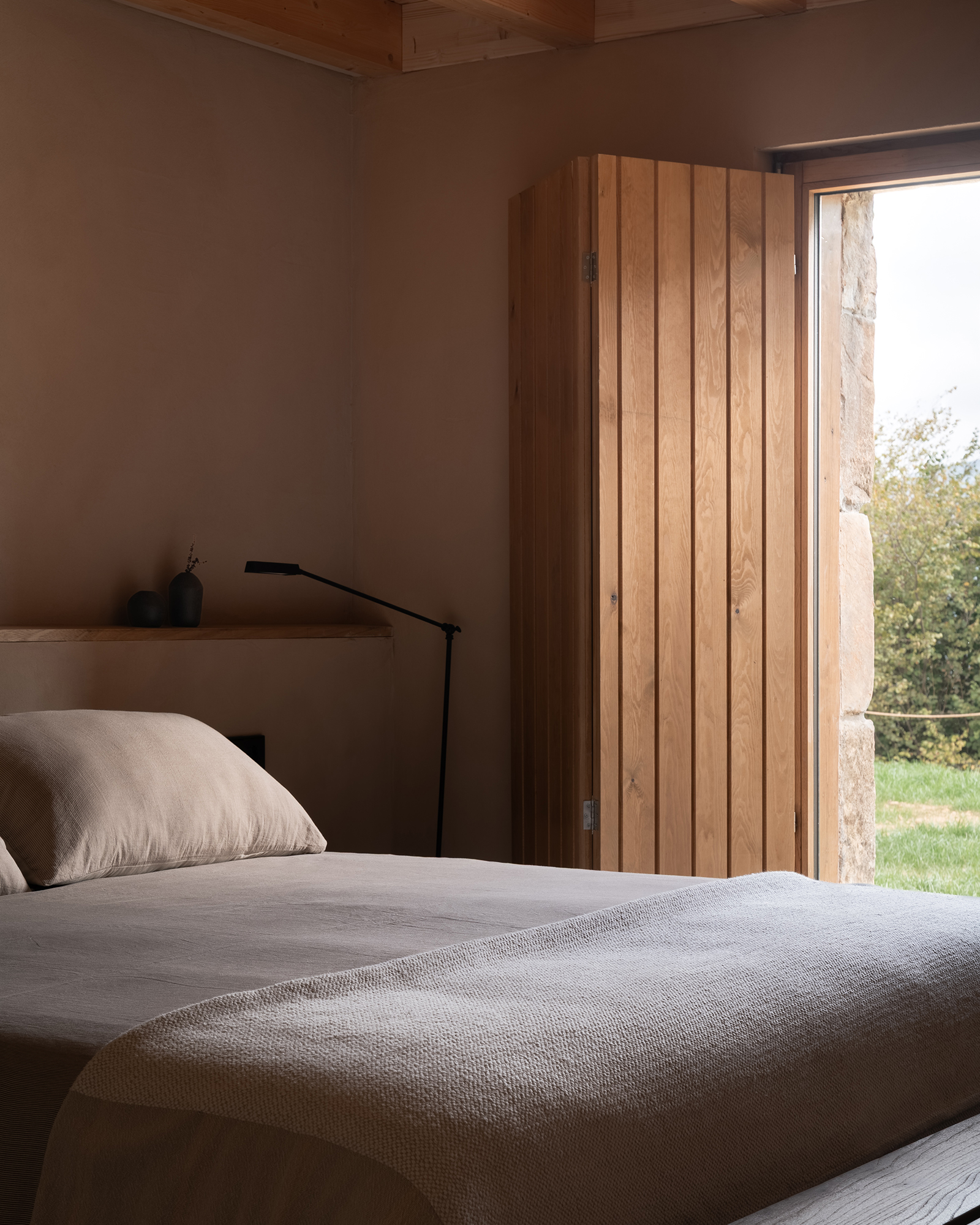
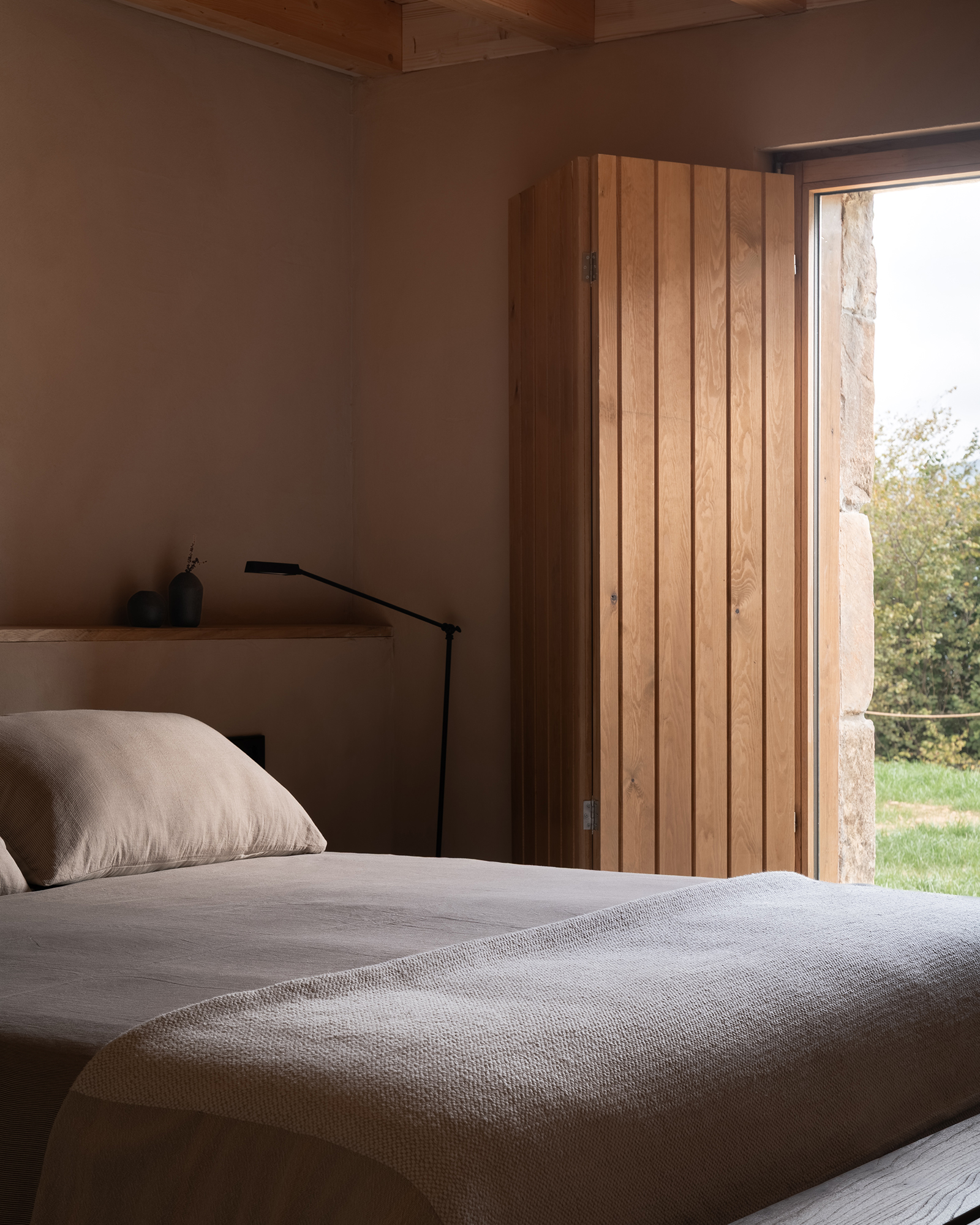
Brena the Cabin sleeps up to six guests in two bedrooms, with two bathrooms and a sofa bed in the living room for the last two guests.
• Bedroom 1: Queen bed (150cm), en suite
• Bedroom 2: King bed (180cm) or two single beds (90cm each)
• Guest bathroom
• Living room: Sofa bed (sleeps two)
Good to know
Check-in is from 3 p.m. and check-out is by 11 a.m. Other times may be arranged in advance. Pets, parties and events aren’t allowed, and smoking isn’t allowed indoors, though there are ashtrays outside. The minimum stay is two nights in low season and four nights in high season (mid-June to mid-September, Christmas and Easter week).
Please leave shoes at the door. Wastewater is treated on site by a constructed wetland, so only toilet paper goes down the toilet (no wipes). The trash containers are about 300 meters from the cabin, and the recycling containers are in San Roque de Riomiera.
The stairs have a safety railing, and hosts can provide a crib.
Parking is private and can accommodate three cars. It is located on the property, and a 30-meter path leads to the cabin. Road conditions are good.
Access to the fenced meadow (with animals) is not permitted, and guests are responsible for their own safety.
Amenities & services
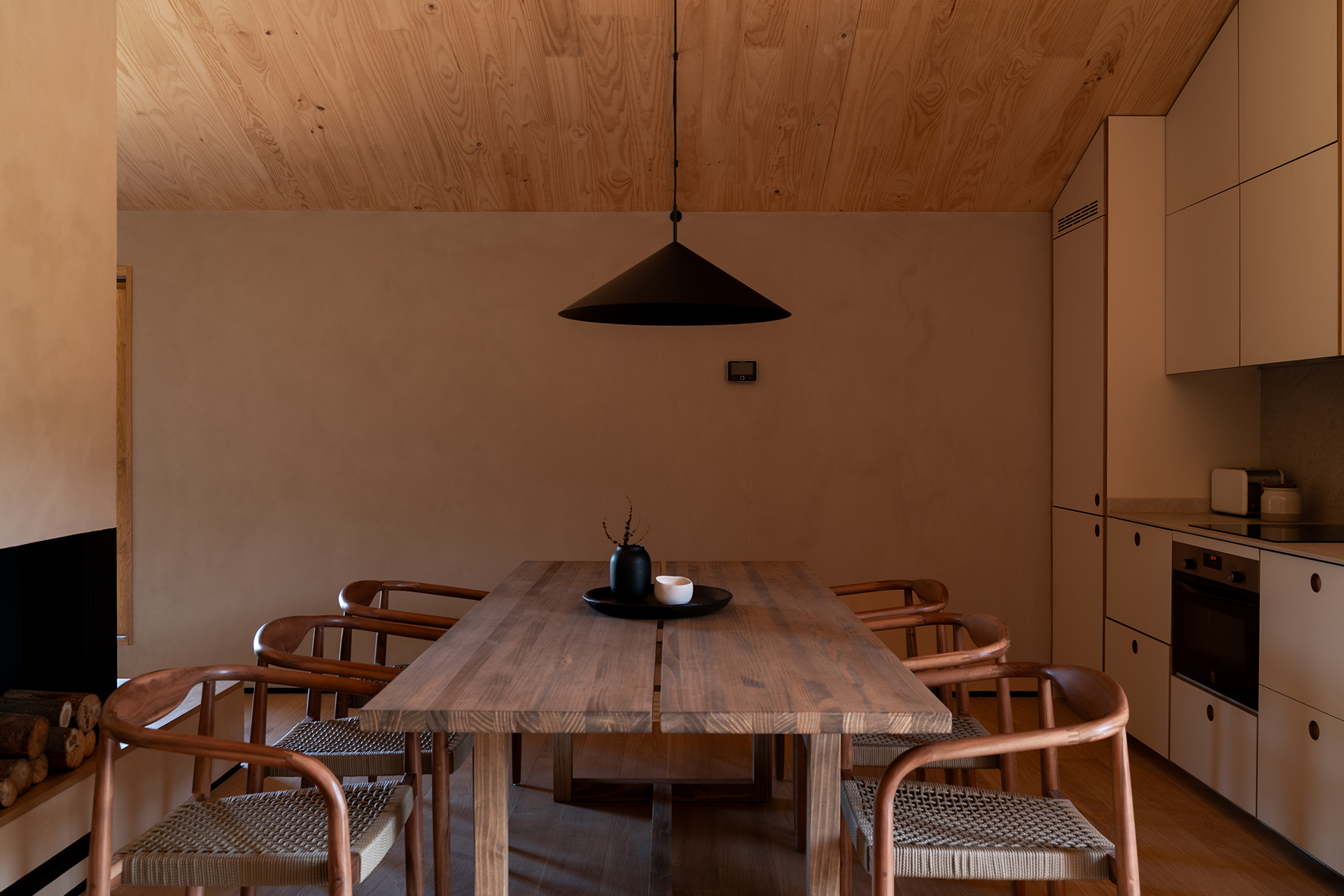
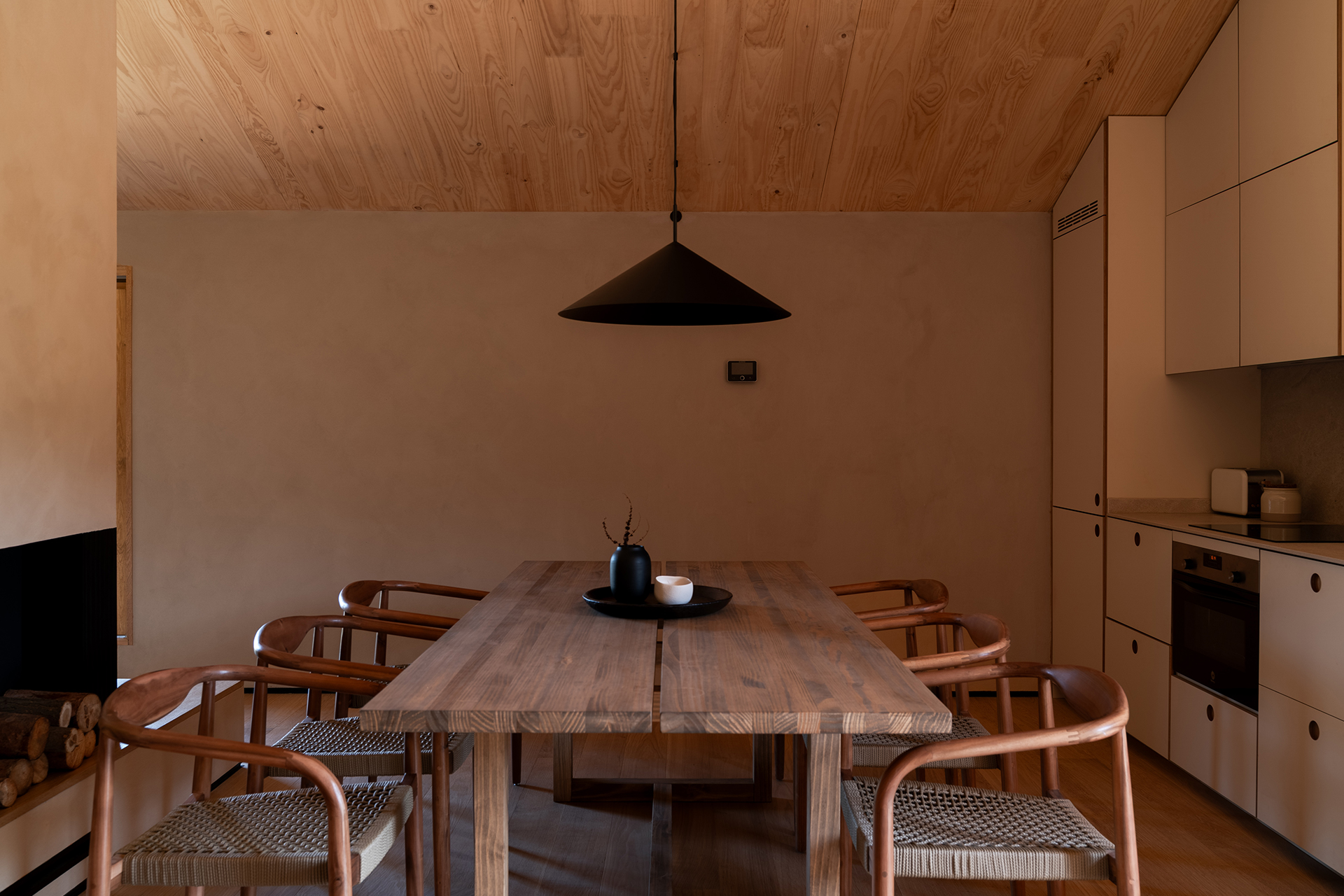
Equipped kitchen (oven, Italian coffee maker, blender, kettle and toaster, dishwasher, washing machine and dryer), fireplace with a basket of firewood, Wi-Fi, underfloor and wall heating, bed linen, towels, natural toiletries, two bathrooms, sofa bed, outdoor ashtrays, parking for three cars, fire extinguisher, smoke detectors, and a first-aid kit.
Around
Liérganes, 20km away, is the village to wander, with its Puente Mayor bridge and the Palacio de Juan Cuesta Mercadillo, and Puente Viesgo has Cueva El Castillo, a World Heritage cave. Cabárceno Nature Park is under 40 minutes by car. The coast starts about an hour away, with the beaches of Somo, Langre and El Sardinero, then Santillana del Mar, Comillas, San Vicente de la Barquera and Santoña strung along it. Closer to home, La Lleldiría in Merilla won the Iniciativa Emprendedora prize at the 2026 Alimentos de España awards, the Ministry of Agriculture’s honor for original food businesses.
Walks and viewpoints: Ruta de las Cabañas Pasiegas, the beech woods of Hayedo de la Zamina, the Mirador de Covalruyo, the Churrón de Agualto waterfall and Pico La Brena.
Food and drink: La Lleldiría, a fermentery in Merilla with cheese tastings; La Vieja Escuela, mountain cooking with a view, in La Concha; and Casa El Macho and Joselín in Selaya for sobaos and quesadillas pasiegas.
Culture: The Casa del Pasiego ethnographic museum in San Roque de Riomiera.
Location
San Roque de Riomiera, Cantabria, Spain. Nearest airport: Seve Ballesteros–Santander Airport (SDR, 39 km). Drive time from Santander: about one hour. Distance to the village of San Roque de Riomiera: about 3km.
Best time to visit
Fall and spring suit walkers, with the beech woods and the valley’s waterfalls at their best. Winter is when the fireplace and the warm floors earn their keep, and fog and rain are part of the experience. Summer, the high season from mid-June to mid-September, pairs the meadows with the coast an hour away.